Why Big Pine Key Is a Standout Catamaran Destination
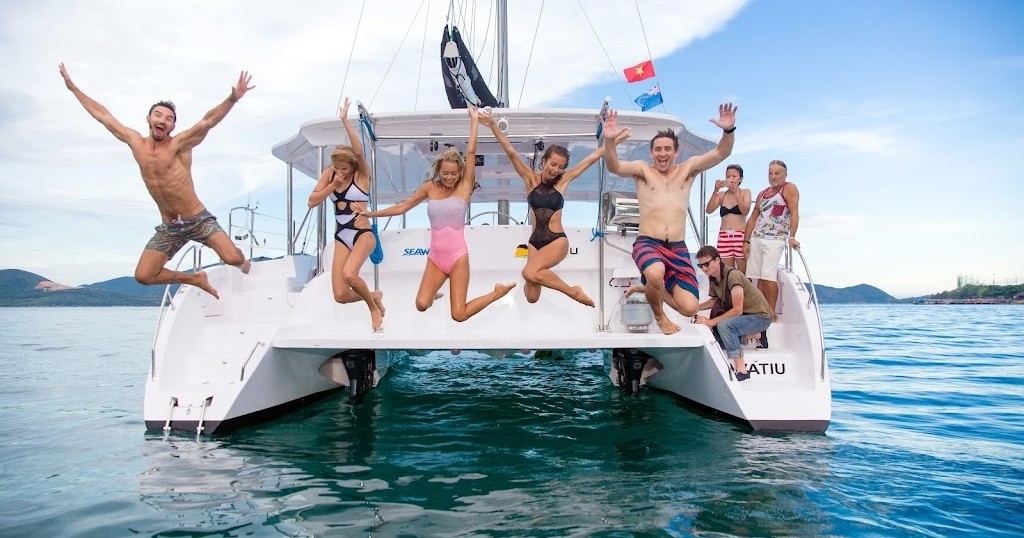
Big Pine Key sits at an inviting intersection of shallow flats, tidal channels, and nearshore coral reefs—the kind of marine geography that shines from the broad, stable deck of a catamaran. Unlike a narrow monohull, a catamaran's twin hulls and wide beam create a steady platform for launching snorkel sessions, casting a line, or sharing a sunset. For travelers who prize comfort without sacrificing access to wild places, the multihull is the ideal vessel: fast enough to reach Looe Key or the reefline quickly, stable enough for onboard socializing, and shallow-draft enough to slip into sheltered mangrove creeks and white-sand tidal flats where turtles and stingrays feed.
The waters off Big Pine Key accentuate those advantages. Visibility is often excellent—especially in the cooler months—revealing fringing reefs, brain coral gardens, and the migratory paths of juvenile fish. The Great White Heron National Wildlife Refuge and nearby flats host an array of marine life: rays half-buried in the sand, goliath grouper shelters, and frequent sea turtle sightings. Captains and operators around Big Pine Key have tailored trips for these conditions: eco-focused snorkeling tours that anchor at marked buoys, fishing-oriented charters that combine trolling with key-reef bottom fishing, and sunset sails that emphasize light, still water and horizon-to-horizon views. There’s also a social rhythm to being on a catamaran here—family groups spread out on nets and trampolines, photographers leaning over rails for close-ups, and naturalists pointing out osprey, frigatebirds, and the occasional dolphin pod.
From a planning standpoint, the catamaran experience is forgiving. Short distances between launch points and prime snorkeling or reef sites mean more time on the water and less transit. Many operators offer customizable itineraries—half-day snorkeling for families, full-day reef-hopping with catered lunches, or overnight charters for anglers and small groups. That said, local conditions matter: wind and tide dictate which reefs are best on any given day and where the smoothest anchorage will be found. The region’s conservation rules—no-anchoring zones, reef-protection guidelines, and protected wildlife areas—shape responsible itineraries, and reputable operators integrate that stewardship into every trip. For travelers seeking an accessible, scenic, and wildlife-rich boating experience, Big Pine Key’s catamaran scene is a compelling mix of comfort, ecology, and island rhythm.
Catamarans offer a stable, spacious platform ideal for snorkeling, fishing, photography, and relaxing—especially for groups and families who value comfort alongside adventure.
Short hops to prime snorkeling sites like Looe Key reef reduce transit time and increase on-water enjoyment; many tours combine reef visits with coastal exploration of mangroves and flats.
Local operators balance recreational access with conservation: expect guided briefings on no-anchor zones, reef-safe sunscreen, and protocols for wildlife encounters.