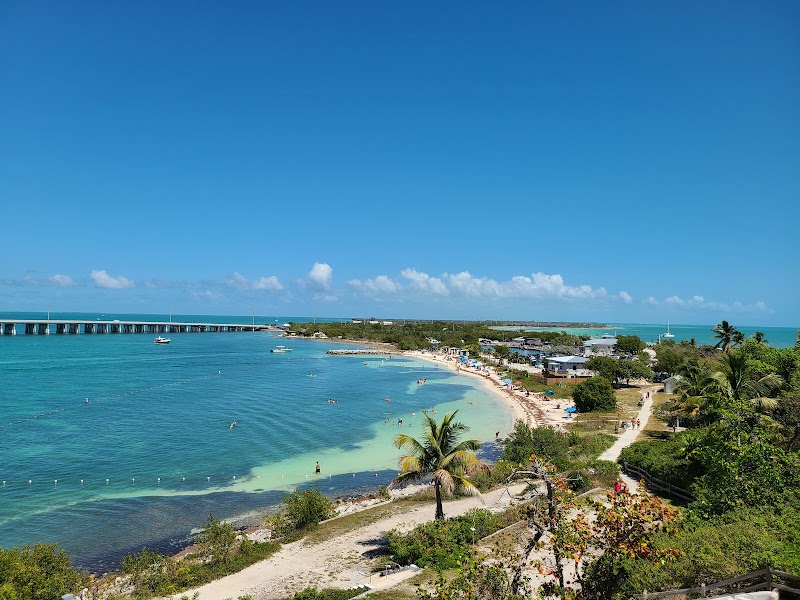
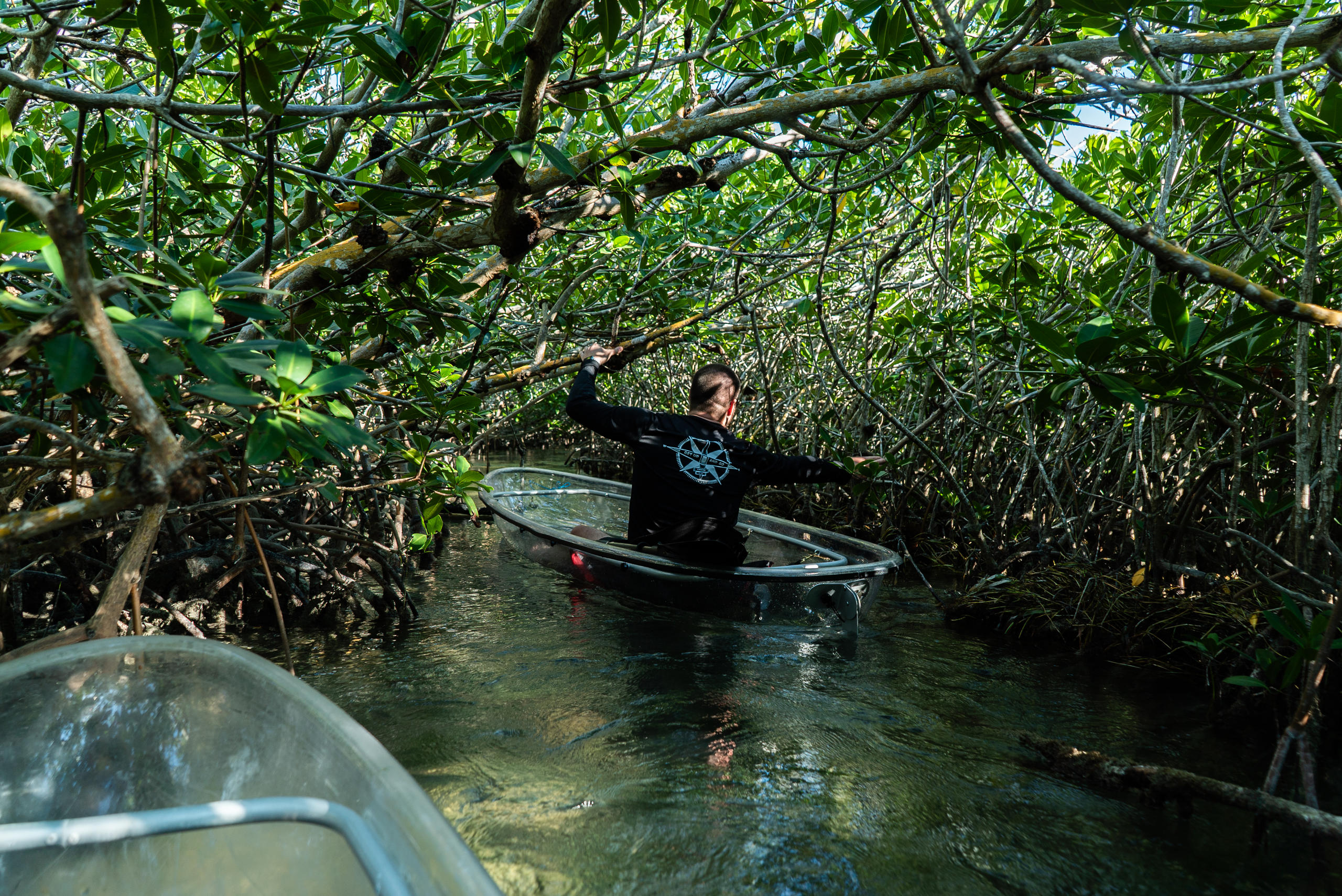
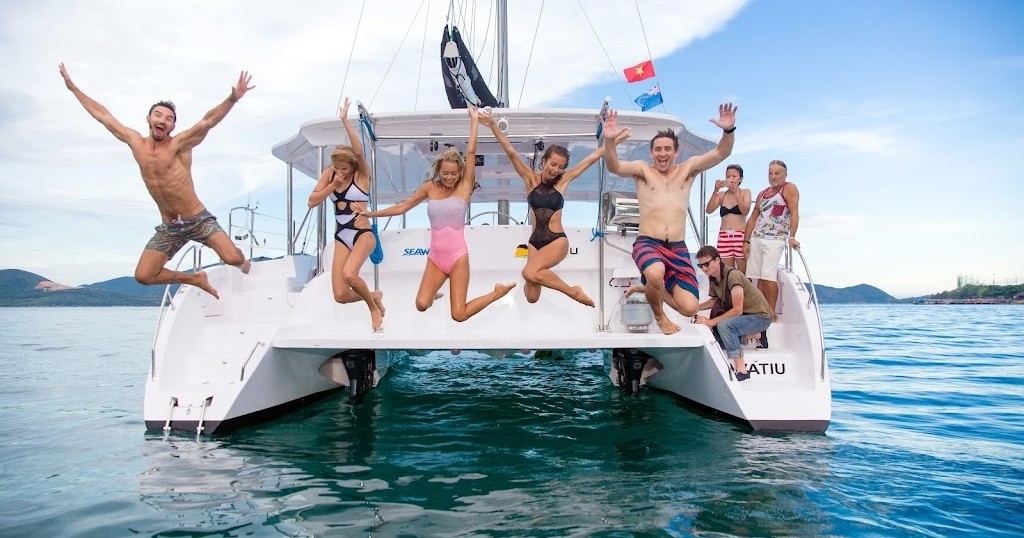
Big Pine Key is a small island with outsized marine life—an interface where shallow flats meet offshore reef, and where human-scale adventure still feels elemental. At dawn, guides launch skiffs into mirror-flat channels searching for tailing permit or the ghostly flash of bonefish. By mid-morning, catamarans and boat tours ferry snorkelers to Looe Key and coral bommies that teem with parrotfish, angelfish, and the slow ballet of goliath grouper. The island’s inland pockets—mangrove creeks, the Blue Hole, and hammock trails in the National Key Deer Refuge—offer contrasting quiet: walking tours, wildlife watching, and easy bike rides.
Culturally, Big Pine Key is a different breed than busy Key West; it’s quieter, more conservation-minded, and unapologetically local. The National Key Deer Refuge frames many of the best non-water outings: guided eco tours teach the nuanced stewardship needed to protect both the deer and the fragile coastal habitats. At sea, outfitted boat rental and charter services—everything from a DIY kayak to an overnight sailing passage—make it simple to customize the day around surfing fishable tides, chasing sunsets aboard a catamaran, or planning a morning scuba session when visibility is at its peak.
Practically, the island punches above its weight: a short drive connects you to launch points and reef access while small outfitters deliver intimate group sizes and deep local knowledge. For travelers who want both action and slow moments—an early morning fishing drift followed by an afternoon snorkel—Big Pine Key delivers a tightly packed menu of boat tours, water activities, and land-based wildlife viewing without the crowds that overwhelm larger Keys.
Access and variety are the island’s strengths. You can swap a guided scuba or snorkeling trip for a private boat rental, or choose a family-friendly sightseeing tour that folds in dolphin watching and reef stops. Outfitters in town specialize in flats fishing, sight‑seeing tours that highlight marine ecology, and eco tours focused on the refuge and mangrove systems.
Conservation is woven into the local experience—visitors are encouraged to use reef‑safe sunscreen, observe wildlife at a distance (especially the Key deer), and follow local rules for anchoring on coral. That ethic keeps the reef productive, the flats fishable, and the island feeling like a destination you want to return to.
Big Pine Key’s advantage is variety without surrendering the day to long transfers.