Why Hana Is a Standout Photography Tour Destination
Hana feels like a curated sequence of light studies. The coastline is an ever-changing studio—black sand beaches that swallow midday glare, sea cliffs that throw late-afternoon shadows, and tide pools that rearrange the foreground for every passing swell. Inland, the Pipiwai Trail’s bamboo forest compresses perspective and muffles sound, creating a corridor ideal for slow, contemplative frames where motion blur and muted greens dominate. The Road to Hana itself is an extended photographic assignment: tight turns, micro-attractions, and unmarked pullouts where a waterfall, an old sugar plantation cabin, or a flowering kiawe tree can become the subject of an entire shoot.
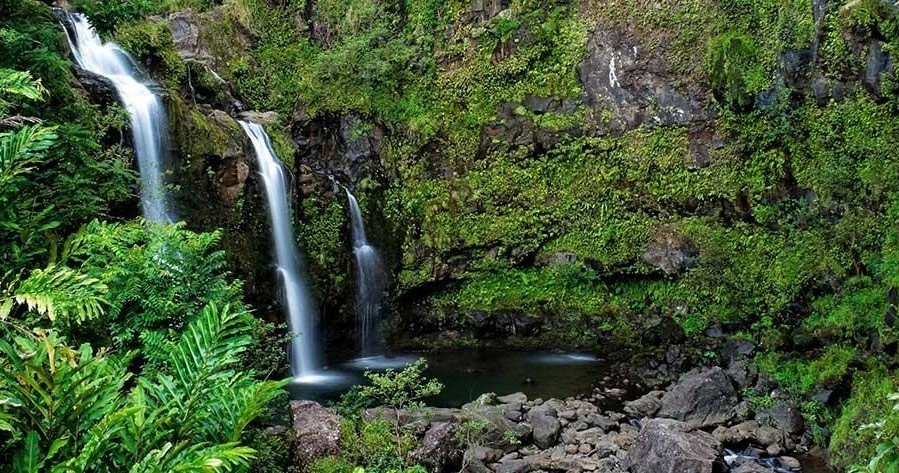
What makes Hana exceptional for photography tours is the variety within a small radius. Sunset at Hamoa Beach reads like seascape work—long exposures, tonal gradations, and the occasional silhouette of a lone fisherman—while dawn at Hana Bay can be a soft portrait session of village life before day visitors arrive. The contrasts continue with Waiʻānapanapa State Park: a black-sand cove, coastal blowholes, and volcanic headlands that demand attention to composition and texture. A short drive to Kipahulu and the Pipiwai Trail gives access to the bamboo cathedral and Waimoku Falls, where silky waterfall exposures and wide-angle compositions reward patient hikers.
Beyond pure landscape, Hana’s cultural landscape is a compelling layer for storytelling photography. Taro terraces and small farms, humble roadside stands, and the rhythms of local fishing life add human scale and context to environmental images—an opportunity to pair landscape work with respectful portraiture and documentary approaches. That intersection of culture and nature is also why guided photography tours are especially valuable here: local guides help navigate access considerations, explain cultural sensitivities around sacred sites, and time shoots for conditions that shift quickly in this wet microclimate.
On a practical level, Hana’s weather and terrain shape the tour: frequent localized showers mean quick changes in light—but they also deliver dramatic skies and reflective surfaces that elevate images. Narrow, winding roads slow down visits and make timing essential; sunrise and sunset shoots require biking or short hikes to reach the best vantage points. For adventurous photographers, the region’s isolation is its asset: fewer crowds, darker skies for night work, and a pace that invites experimentation rather than checklist-style sightseeing. Whether you’re after sweeping coastal panoramas, intimate flora-and-fauna studies, or moody cultural portraits, Hana’s concentrated diversity rewards planning, patience, and a willingness to follow the light.
The Road to Hana is both the transport and the subject—multiple stops, pullouts, and short hikes create an itinerary that unfolds image opportunities rather than a single destination.
Microclimates produce fast-moving weather: quick rain squalls can transform a flat scene into high-contrast drama, so a flexible schedule and protective gear are essential.