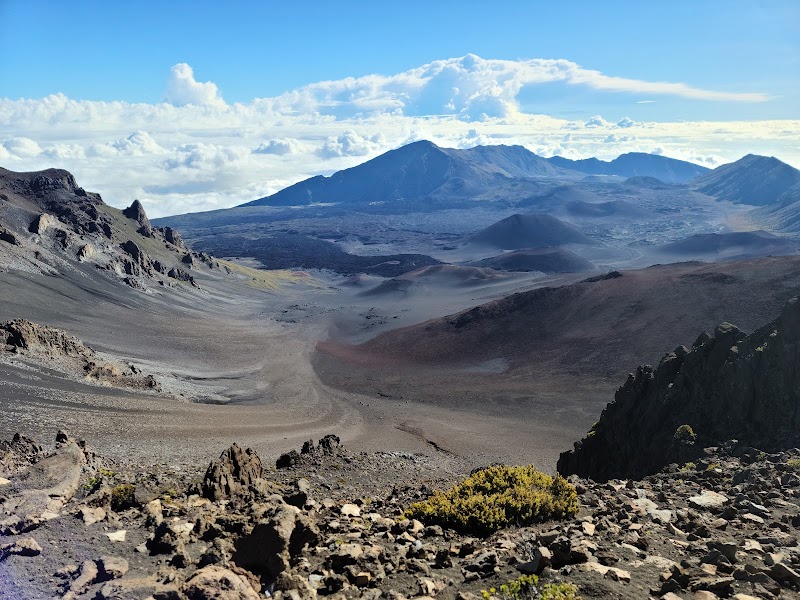
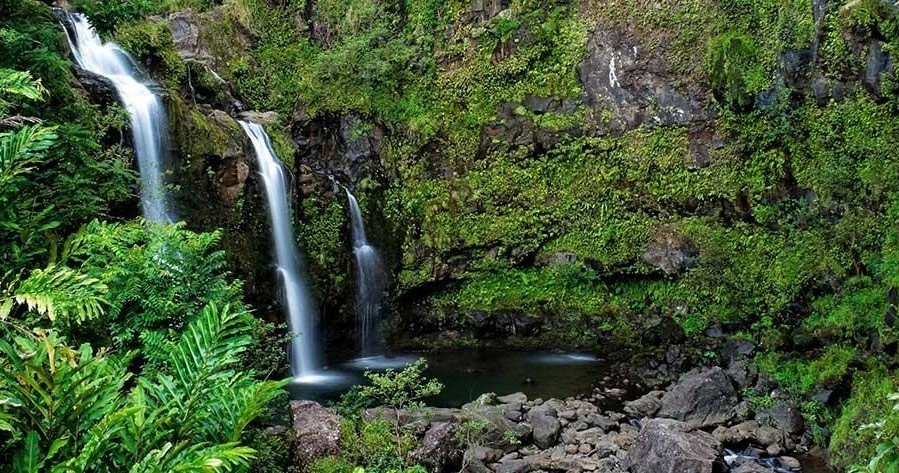
Hana is less a single destination than a sequence of invitations: a fern-lined trail that opens into a freshwater plunge pool, a coastal shelf that drops into a kaleidoscopic reef, and a roadside stand selling taro and coconut pudding that tastes like a local benediction. The Road to Hana—part pilgrimage, part driving tour—spools out hairpin turns and one-lane bridges, each bend revealing another microclimate and another chance to launch into water activities. Boat tours and sailing trips leave from nearby harbors to skirt the rugged coastline; on calm days, snorkeling and scuba bring you face-to-face with reef fish and sections of undulating coral that feel entirely untouched. Movie-light rain and frequent mist keep the flora lush here, and that moisture also fuels the pools, waterfalls, and black-sand coves that make Hana an alluring mix of wet-nature play and slow cultural rhythms.
For travelers who crave active itineraries, Hana delivers a compact portfolio of experiences: morning hikes through native ʻōhiʻa and ʻōlapa to lookouts, afternoon kayak and SUP sessions in protective coves, and late-day photography tours aimed at capturing the low, golden angles that turn basalt cliffs into sculpted bronze. Boat tours and whale watch trips—especially in winter months—offer a different tempo, emphasizing sightlines and marine life rather than trail legs and elevation. If you prefer two wheels, bike tours that descend toward Kipahulu are exhilarating and cinematic; those who favor guided context will find eco tours and photography tours that combine cultural history with natural storylines. The town itself is small and intentionally paced—expect a community that values privacy and place-based knowledge. Respectful exploration goes far: follow posted access rules at state parks, honor private driveways, and choose reef-safe sunscreen to protect the fragile marine ecosystems you came to see.
Practical logistics fold neatly into Hana’s charms. Outfitters in Maui handle most rentals and guided options—everything from kayaking and SUP to intro scuba—so you can plan single-activity days or a stacked itinerary. Weather matters: heavy rain can close trails and change beach conditions, so build flexibility into your plan and pack for sudden showers. Cell service is spotty; download maps and make a plan for meeting points. Finally, allow time for unplanned pauses—a roadside look, a quick dip, a conversation with a vendor—because Hana’s truest offerings are often the unscripted ones.
Access is deliberate: the Road to Hana is the route, not just a road. Drive slowly, yield at one-lane bridges, and factor in stops so you don’t rush the coastline’s viewpoints. Outfitters in Paia and Kahului supply boats, kayaks, and guided snorkel trips for those who want to skip the driving.
Culture and conservation are central here. Waiʻānapanapa and Kipahulu are protected spaces with rules designed to protect both people and ecosystems—observe closures, respect signage, and use reef-safe sun care. Book guided whale watch tours in season for the best chance to see humpbacks without stressing wildlife.
Hana’s advantage is variety without surrendering the day to long transfers.