Top Fishing Adventures in Kealakekua, Hawaii
Kealakekua Fishing Guide

Top Fishing Adventures in Kealakekua, Hawaii

Kealakekua blends Hawaiian coastal history with some of the most dynamic nearshore and deep-water fishing on the Kona coast. From handlines and rock-ledge spin sessions to small-boat charters that chase yellowfin and wahoo on blue-water seams, the area offers an intimate, varied fishing canvas. Expect clear water, steep drop-offs near shore, and a marine environment that supports both predictable inshore bites and thrilling ephemeral pelagic runs.

Kealakekua BayCaptain Cook MonumentKona CoastReef & Pelagic Waters

Live destination inventory

Top Fishing Trips in Kealakekua

28 trips · Book with confidence · Instant confirmation

The prototype intentionally does not invent replacement trip cards or add images that are not already part of the live source page.

The city from the water

Why Kealakekua Is a Standout Fishing Destination

Kealakekua sits on the Kona coast where volcanic shoreline drops quickly into deep water, and that steep bathymetry is a fisher’s advantage. Within a short run you can move from reef flats and coastal ledges into pelagic blue—conditions that produce a wide range of opportunities: reef species on light tackle, rock-ledge spin sessions from shore, and offshore trolling for yellowfin tuna, wahoo, and mahi-mahi. The landscape itself—black lava coastline, sheltered coves, and the iconic Captain Cook Monument—gives every trip a dramatic Pacific backdrop that feels distinctly Hawaiian. Fishing here is as much about the sea-state and currents as it is about gear. Kona’s trade-wind patterns and the Kona cloud shadow create long stretches of calm water interspersed with swell funnels, which helps concentrate bait and flotsam that pelagics follow. In practical terms that means you can often find productive seams and slicks without a long offshore run, but the action can also be brief and location-specific; local knowledge pays. Kealakekua Bay and adjacent coastal waters have a cultural and ecological significance—ancient fishpond traditions, historical seafaring routes, and modern marine management—so any angler here shares the water with snorkelers, kayakers, and protected nearshore areas. Blending fishing with snorkeling, paddling, or a shoreline hike to the monument is a natural way to experience the place beyond the catch. For travelers the appeal is logistical as much as environmental: small-boat charters based along the Kona coast specialize in short half-day runs and customizable trips, while shore anglers can find structure-rich ledges and lava outcrops to fish at first light. The pace ranges from contemplative afternoon spin sessions to full-throttle daylight trolling, making Kealakekua a comfortable fit for weekend travelers and serious anglers alike. Environmental stewardship matters here—marine reserves, local regulations, and community expectations shape where and how you fish—so plan with respect, check closures, and consider catch-and-release where appropriate. The practical payoff is significant: a day spent fishing off Kealakekua often yields encounters with strikingly colored pelagics, sun-streaked horizons, and a distinctive sense of place that lingers long after you head back to shore.

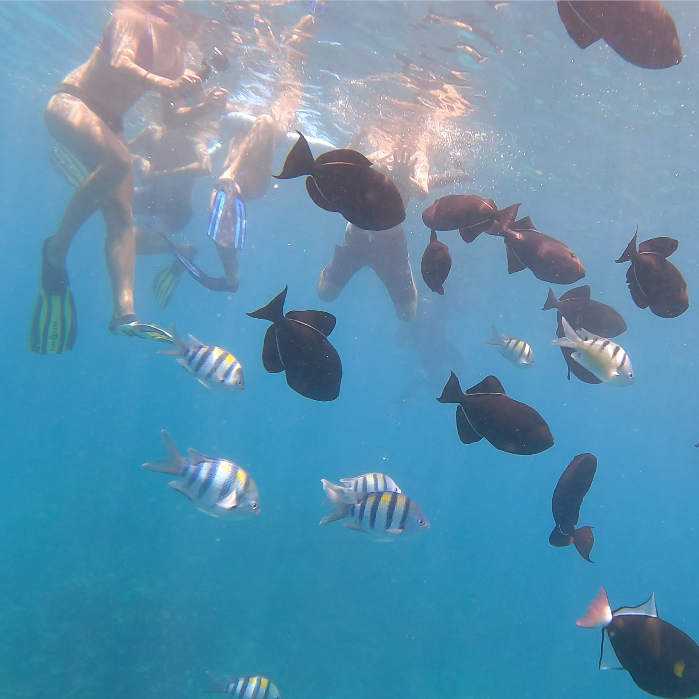
The edge between reef and blue water is exceptionally close to shore along the Kona coast, which concentrates baitfish and creates a layering effect of species: reef snapper and triggerfish near the shallows, trevally and ahi in transition zones, and wahoo or yellowfin further out on the seams.

Local operators and guides are invaluable for reading conditions and finding the day’s best tactics—live-bait rigs, slow-trolled skirted lures, and light jigging each have moments when they outperform other methods.

The harbor is the gateway, and the Pacific becomes the classroom.

Kealakekua’s cultural sites—most notably the Captain Cook Monument—mean parts of the bay are heavily visited by snorkelers and kayakers; planning to combine snorkeling and fishing on different parts of a trip maximizes both experiences while minimizing conflicts.
Activity focus

Choose by purpose

Whale watching, snorkeling, sunset sailing, cultural canoeing, harbor sightseeing, or private chartering.

Departure hubs

Start near the city

Waikiki and Honolulu Harbor are primary hubs, with some trips launching near Hanauma Bay.

Accessibility

Confirm the vessel

Gangways, shaded seating, and boarding requirements vary according to vessel size and operator.

Seasonal planning

Best Time to Visit

Kealakekua is warm year-round, but wind, swell, migration, visibility, and demand change the best match between traveler and trip.

Kealakekua boat tour
Year-round destination

Seasonal highlights change the reason to go

Winter favors humpback encounters; warmer, calmer months favor snorkeling visibility and smoother water.

Humpback season

Summer and early fall, when pelagic runs are most reliable and charters are busiest.

Prime whale watching, winter holidays, higher demand, and earlier sell-outs.

Snorkeling window

April–May–June–July–August–September–October

Typically gentler seas and clearer water for snorkeling trips.

Weather notes

Trade winds year-round

Kealakekua benefits from Kona’s generally dry climate. Spring through early fall tends to offer calmer seas and more consistent pelagic activity; winter months can bring larger swells and choppier offshore conditions. Trade winds often pick up in the afternoon—plan morning departures for calmer water.

Quieter opportunities

Late spring & summer weekdays

Winter and early spring can still produce good fishing, especially for inshore species; off-season travel often means fewer people on the water and lower charter availability.

Match the trip to your comfort

Choose Your Experience Level

Low effort

Beginner

Short shore or half-day charters with an emphasis on basic tackle, instruction, and predictable inshore bites. Good for first-time anglers and families.

  • Shore spin fishing from lava ledges at dawn
  • Half-day nearshore charter targeting reef and transitional species
  • Guided family-friendly spin or bottom fishing trip
Active day trip

Intermediate

Full-day charters, light-tackle offshore runs, and mixed-method days that combine jigging, live bait, and trolling. Requires comfort with boating and reading surface conditions.

  • Full-day small-boat trolling for yellowfin and mahi-mahi
  • Rock-ledge spin sessions with light tackle
  • Combo snorkeling and fishing day trip
Longer or technical

Advanced

Extended offshore runs, targeting big pelagics on stand-up tackle or technical jigging and bottomfishing for prized Kona deepwater species. Demands stamina and advanced gear.

  • Blue-water tuna or wahoo targeting with heavy tackle
  • Deep-drop bottom fishing for snapper and grouper species
  • Multi-method offshore expeditions with live-baiting and vertical jigging

Prepare for sun, spray, and swell

What to Bring

Essential

Core kit

  • Saltwater-appropriate rod and reel (spinning or conventional)
  • Line and leaders suited to target species (braid + mono/flouro leader)
  • Sunscreen, sunshirt, hat, and polarized sunglasses
  • Hydration and reef-safe sun protection
  • Basic first-aid and seasickness remedies if prone
Recommended

Useful extras

  • Light tackle for inshore (6–12 lb setups) and a stout rod for pelagics
  • Pliers, dehooker, and fish-handling gloves
  • Small cooler or insulated bag for fresh catch
  • Waterproof dry bag for electronics and wallet
  • Local tide and weather app or marine VHF if going offshore
Optional

Trip-specific

  • Underwater camera or snorkel gear to pair fishing with snorkeling
  • Compact gaff or net for larger fish (confirm charter rules)
  • Permit copies or license info if required by state rules
Always verify boat operator credentials, local closures, and marine rules before heading out. Respect cultural sites and popular snorkel areas.

Insider Tips & Local Knowledge

Reserve whale-watching and popular sunset cruises well ahead during December–April.
Choose morning snorkeling departures for calmer seas and better underwater visibility.
For motion sensitivity, choose a larger vessel, sit mid-ship, and take preventative medication before boarding.
Do not touch coral or wildlife, avoid standing on reefs, and use reef-safe sunscreen.
Community-based operators may add context about traditional navigation and stewardship.
Arrive early for parking and check-in because Waikiki departure areas can be busy.

Planning questions

Frequently Asked Questions

Hawaii requires recreational fishing licenses for residents and has specific rules for certain activities; verify state regulations before you fish or join a charter.
Top Fishing Adventures in Kealakekua, Hawaii
Ready for your fishing adventure?

Browse 28 verified trips in Kealakekua.

Compare current availability and book with instant confirmation.

Explore Kealakekua fishing