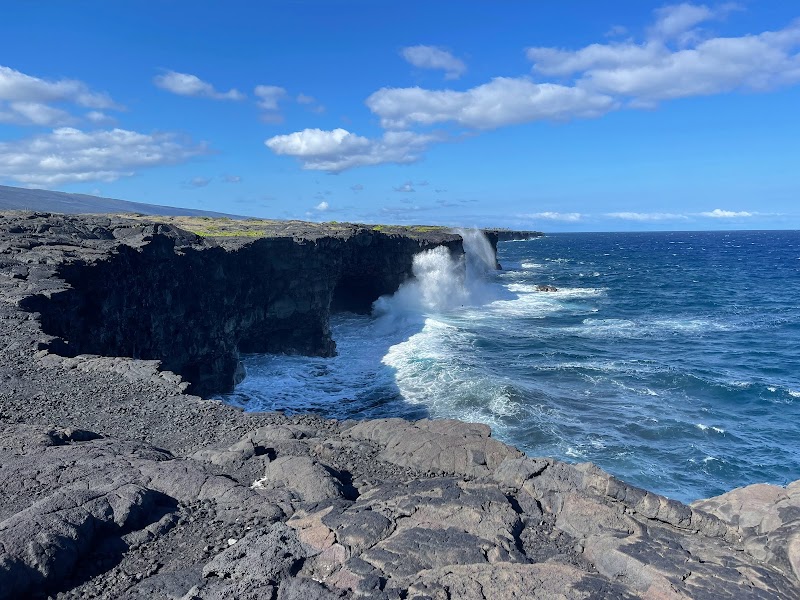
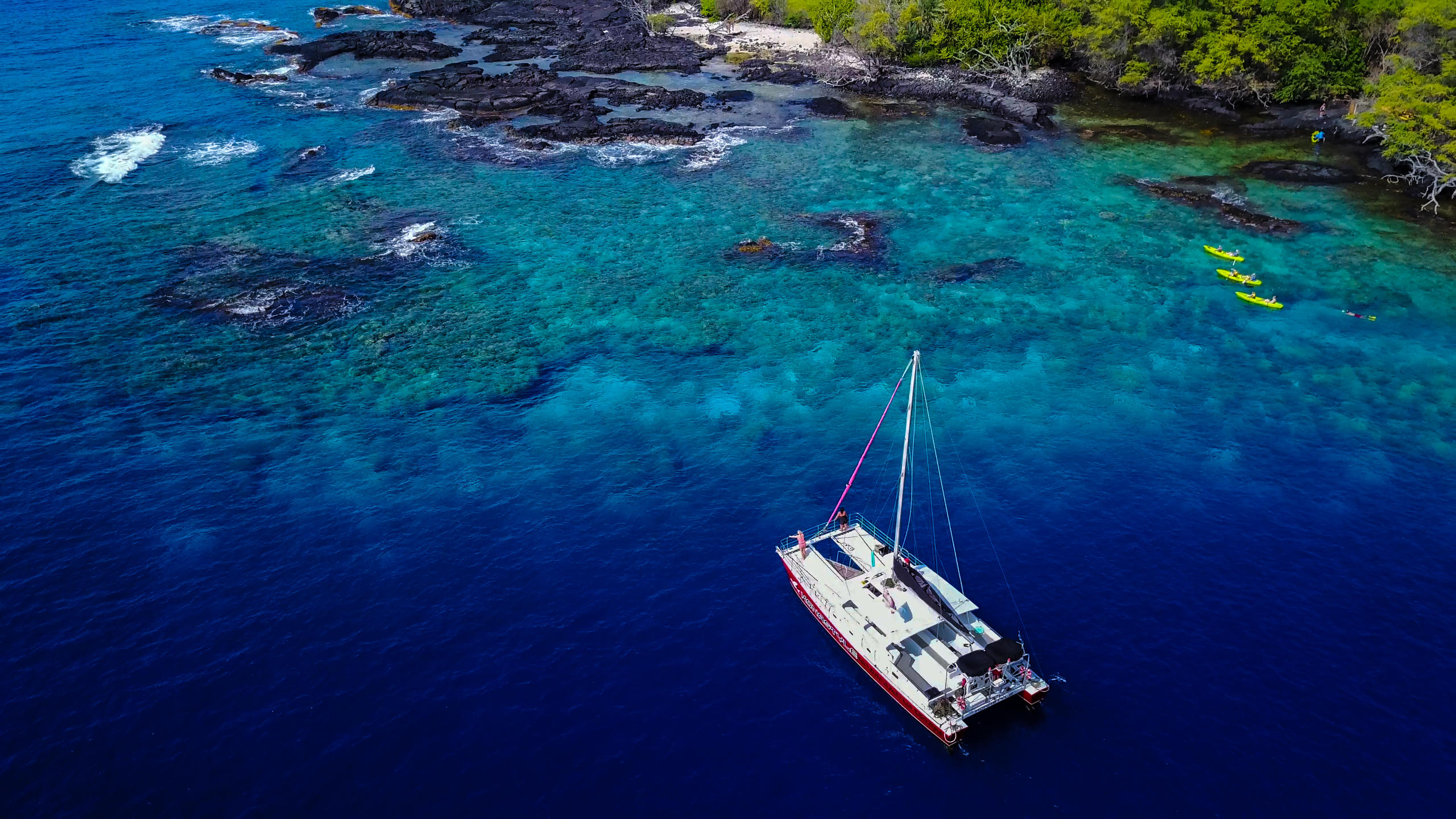
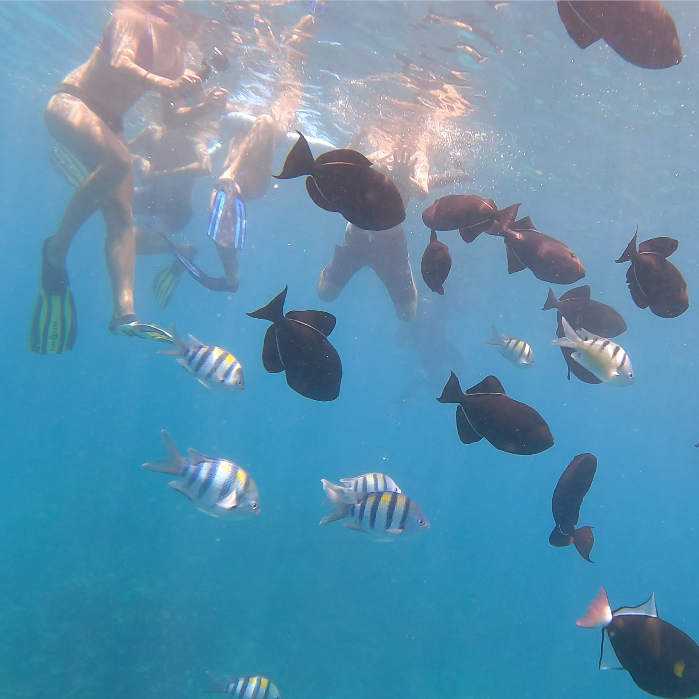
Kealakekua feels like a place where the ocean keeps its best secrets. A rim of lava-scarred shore and coconut palms funnels trade winds and calm into a protected crescent of water, and the result is some of the clearest, most biodiverse snorkeling and diving on Hawaiʻi Island. Stand on the water’s edge or step aboard a small boat, and you’re immediately in a living postcard: coral bommies threaded with surgeonfish, spinner dolphins that ride bow waves, and, offshore, the iconic white stele of the Captain Cook Monument marking a little slice of shared history and fragile marine reserve.
This stretch rewards a layered approach to travel: an early-morning snorkel before the dayboats arrive, a late-afternoon paddle when the light slants and turtles surface in the shallows, and a coastal walk to read the geology and sugar-plantation traces behind the shore. For photography, the clarity of the bay and soft Hawaiian light make for dramatic underwater and shore shots; for families, calm coves make introductions to snorkeling simple and forgiving. Outfitters line the broader Kona coast with guided snorkel and scuba trips, boat rentals, and eco tours, turning logistics into a low-friction affair so you can focus on the water and the wildlife. Practicality matters here: currents, localized rules around the marine reserve, and seasonal wildlife patterns all shape the safest, most rewarding itineraries. Consider this guide your compact field manual—part place-story, part trip plan—so you can pack correctly, pick the right activity for your skill level, and leave Kealakekua better than you found it.
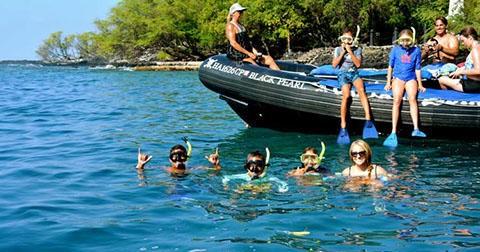
Access is straightforward from the Kona coast: many operators run morning and mid-day departures that include snorkel gear, flotation, and basic safety instruction. If you prefer self-directed time on the water, kayak and small-boat rentals offer the freedom to explore quiet coves, but be conservative with wind and swell forecasts.
Kealakekua’s strength is variety. Water Activities like snorkeling and scuba blend with wildlife viewing—dolphin encounters and seasonal whale-watch opportunities—to form a compact coastal program. There’s also a cultural layer: the bay sits within a landscape shaped by Hawaiian settlement, European contact, and maritime history; guide-led eco and walking tours can add that human-scale context to a day on the water.
Kealakekua’s advantage is variety without surrendering the day to long transfers.