Kealakekua Snorkel Guide: Bay Clarity, Coral Gardens & Kayak Launches
Kealakekua Snorkel Guide

Kealakekua Snorkel Guide: Bay Clarity, Coral Gardens & Kayak Launches

Kealakekua Bay is the shorthand for spectacular shore- and boat-access snorkeling on Hawaii Island: glassy, deep-blue water teeming with coral gardens, reef fish, and the historical silhouette of the Captain Cook Monument. This guide focuses on snorkeling here—how to get in the water safely, when the bay is calmest, what marine life to expect, and how to pair your float with kayaking, hiking, or a cultural visit to nearby sacred sites.

Kealakekua BayCaptain Cook MonumentHualālai CoastPuʻuhonua o Hōnaunau (nearby)

Live destination inventory

Top Snorkel Trips in Kealakekua

164 trips · Book with confidence · Instant confirmation

The prototype intentionally does not invent replacement trip cards or add images that are not already part of the live source page.

The city from the water

Why Kealakekua Is a Standout Snorkel Destination

Kealakekua Bay compresses a long list of coastal virtues into one iconic crescent of water: sheer black-lava cliffs, a protected marine sanctuary, and visibility that can feel like a glass window into a living aquarium. Swim here and you trace the contours of an underwater garden punctuated by vibrant coral heads, dense schools of reef fish, and the occasional larger visitor—turtle or reef manta grazing along the drop-off. Above water, the Captain Cook Monument keeps vigil on a tiny headland, a visual anchor that orients paddlers and boaters and recalls the bay’s layered human and natural histories. Part of what makes Kealakekua exceptional for snorkeling is contrast. The bay sits in a lee sheltered from the dominant tradewinds much of the year, producing stretches of calm, mirrorlike seas when neighboring shores are ruffled. The bottom descends steeply in places, giving divers and surface swimmers access to both shallow coral gardens and dramatic walls within a short swim. On a good morning the water is transparent for dozens of yards; you can drift over bommies with surgeonfish flicking like silver coins and spot bright parrotfish chipping away at coral. That clarity is also the reason the bay has been managed and revered: it supports a dense array of marine life and a fragile reef structure that benefits from careful visitor behavior. Kealakekua’s story is equally cultural. The shoreline and offshore waters are part of a traditional Hawaiʻian landscape where voyaging, ritual, and sustenance converged. Modern conservation efforts and local stewardship have shaped visitation patterns: many people access the bay by guided kayak or boat, both to limit shoreline impacts and to provide interpretive context about the site’s natural and historical significance. For independent travelers, there are shore-entry options and an adventurous trail route, but those approaches require fitness, timing, and respect for protected zones. This guide is aimed at letting you feel the bay before you arrive—what it looks like from the water, how it behaves by season, and how to plan a trip that balances curiosity with conservation. Whether you’re a first-time snorkeler hoping for calm shallow reefs or a seasoned swimmer after an all-day excursion combining paddle, snorkel, and coastal hiking, Kealakekua rewards preparation. Know the tides, choose the right launch method, and leave the reef as you found it: intact, colorful, and busy with life.

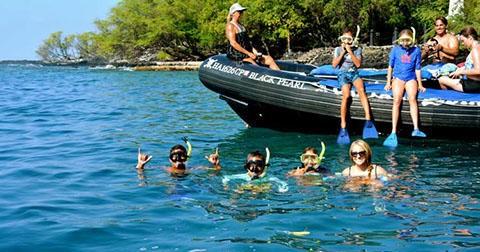
The mix of shallow coral gardens and deeper drop-offs gives snorkelers options to match skill and comfort. Many trips combine shoreline entries with guided boat drops for broader reef access.

Strong local stewardship means some areas are managed for restoration and wildlife protection—visitors should avoid touching coral, feeding fish, or anchoring on reefs.
Activity focus

Choose by purpose

Whale watching, snorkeling, sunset sailing, cultural canoeing, harbor sightseeing, or private chartering.

Departure hubs

Start near the city

Waikiki and Honolulu Harbor are primary hubs, with some trips launching near Hanauma Bay.

Accessibility

Confirm the vessel

Gangways, shaded seating, and boarding requirements vary according to vessel size and operator.

Seasonal planning

Best Time to Visit

Kealakekua is warm year-round, but wind, swell, migration, visibility, and demand change the best match between traveler and trip.

Kealakekua boat tour
Year-round destination

Seasonal highlights change the reason to go

Winter favors humpback encounters; warmer, calmer months favor snorkeling visibility and smoother water.

Humpback season

Summer months and holiday weeks see the highest visitation and most guided tours.

Prime whale watching, winter holidays, higher demand, and earlier sell-outs.

Snorkeling window

April–May–June–July–August–September–October

Typically gentler seas and clearer water for snorkeling trips.

Weather notes

Trade winds year-round

Kealakekua benefits from seasonal trade-wind patterns. Late spring through early fall typically brings lighter swell and glassy mornings. Winter months can produce north and west swells that roughen the bay and limit safe snorkel windows. Mornings are generally calmer than afternoons.

Quieter opportunities

Late spring & summer weekdays

Winter and shoulder months can offer solitude and dramatic coastal conditions; check local sea forecasts and plan for earlier launch windows when conditions look favorable.

Match the trip to your comfort

Choose Your Experience Level

Low effort

Beginner

Calm, shallow reef areas accessed by boat or guided kayak with short swims and easy drifting. Suitable for those comfortable with surface breathing and basic swim skills.

  • Guided kayak and short snorkel in protected shallows
  • Boat drop near shallow coral gardens for an easy drift
  • Introductory snorkeling lesson followed by a sheltered reef swim
Active day trip

Intermediate

Longer drifts, deeper reef sections and independent shore entries requiring stronger swimming and basic navigation skills. Good for snorkelers wanting to explore varied habitats.

  • Self-guided kayak to the monument with multiple snorkel stops
  • Boat-assisted longer reef circuits including deeper bommies
  • Combination paddle, snorkel, and coastal hike outing
Longer or technical

Advanced

Open-water crossings, longer boat or paddle distances, and snorkeling near deeper drop-offs. Requires strong swimming skills, comfort in variable sea states, and good situational awareness.

  • Extended kayak circumnavigation with multiple exposed reef stops
  • Multi-stop boat charters accessing remote reef sections
  • Technical guided excursions timed with tides for specific wildlife opportunities

Prepare for sun, spray, and swell

What to Bring

Essential

Core kit

  • Snorkel, mask, and fins (well-fitting gear improves visibility and safety)
  • Rashguard or wetsuit top for sun protection and warmth
  • Reef-safe sunscreen (apply before entering water)
  • Water, snacks, and a waterproof ID/phone pouch
  • Secure footwear for rocky shoreline approaches
Recommended

Useful extras

  • Floatation device or snorkel vest for longer drifts
  • Mask defog and spare mask strap
  • Dry bag for valuables if launching by kayak
  • Light reef-safe insect repellent for pre-launch time on shore
Optional

Trip-specific

  • Underwater camera or stick for wide-angle reef shots
  • Compact towel and change of clothes in a breathable bag
  • Compact binoculars for spotting offshore wildlife from the boat
Respect the marine environment and local cultural sites; plan around morning conditions and choose guided options if you're unsure about sea state or navigation.

Insider Tips & Local Knowledge

Reserve whale-watching and popular sunset cruises well ahead during December–April.
Choose morning snorkeling departures for calmer seas and better underwater visibility.
For motion sensitivity, choose a larger vessel, sit mid-ship, and take preventative medication before boarding.
Do not touch coral or wildlife, avoid standing on reefs, and use reef-safe sunscreen.
Community-based operators may add context about traditional navigation and stewardship.
Arrive early for parking and check-in because Waikiki departure areas can be busy.

Planning questions

Frequently Asked Questions

Most visitors arrive by guided boat or kayak tour, which reduces shoreline pressure and provides deeper reef access. Shore entry is possible from designated areas but may involve steep or rocky approaches.
Kealakekua Snorkel Guide: Bay Clarity, Coral Gardens & Kayak Launches
Ready for your snorkel adventure?

Browse 164 verified trips in Kealakekua.

Compare current availability and book with instant confirmation.

Explore Kealakekua snorkel