Boat Tour in Summerland Key, Florida

Read the destination guide ↓
Popular Activities
More activities
0 adventures loaded
Boat Tour in Summerland Key, Florida
Summerland Key Boat Tour Guide

Boat Tour in Summerland Key, Florida

Summerland Key is a narrow, hammock-draped island where boat tours unlock a quieter, salt-licked side of the Keys. From shallow backcountry cruises through mangrove mazes to reef snorkel runs and sunset sails, the region’s shallow flats and protected channels make it ideal for intimate, wildlife-forward excursions. Expect glassy mornings, quick-changing afternoon weather, and an emphasis on conservation-minded operators who read tides and marine regulations as closely as charts.

Florida KeysBackcountry WatersGreat White Heron National Wildlife Refuge
By Robert Eric CrewsFounder & Editor, The Adventure Collective

Boat Tour in Summerland Key

Why Boat Tours Around Summerland Key Are Special

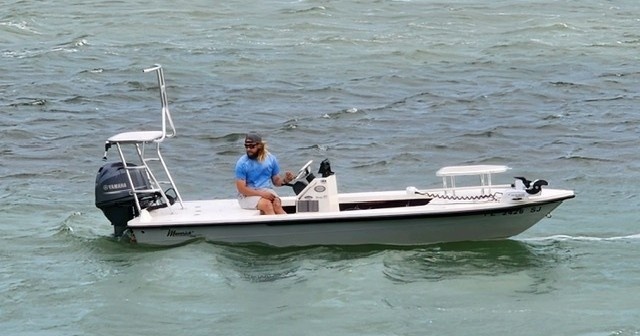
Boat tours out of Summerland Key feel like a soft exhale—small groups, low-profile skiffs and center-consoles, and a pace chosen to put wildlife and natural rhythm first. The island sits on the western edge of the Lower Keys’ mosaic: shallow seagrass flats give way to mangrove islands, tidal creeks, and offshore patch reefs where bonefish, tarpon, and permit cruise the shallows and reefs host a scatter of corals and tropical fish. On any given day a knowledgeable captain can tailor the trip to conditions—shallow-water flats for sight-fishing and birding, a reef stop for snorkeling, or a slow cruise through channels where roseate spoonbills and herons hunt at low tide.

The real distinction here is scale. Unlike large marina hubs further north, Summerland Key operators tend to run shorter, more flexible outings that emphasize access over spectacle. That makes the area great for families, photographers, and first-time snorkelers who want calm water, manageable distances, and one-on-one attention. Conservation is woven into the fabric of local guiding: captains know which seagrass beds to skirt, where coral restoration projects are underway, and how to minimize engine time in sensitive areas. The result is a low-impact introduction to a fragile but resilient ecosystem.

Beyond pure nature watching, boat tours are practical connectors to other experiences. A morning reef snorkel pairs naturally with an afternoon kayak through mangroves; an eco-safari can finish with a sunset cruise and a dockside meal of local fish. Seasonality shapes the tone rather than the access—winter and spring bring clearer water and comfortable temperatures, while summer calls for early departures to avoid heat and passing thunderstorms. No matter the month, a well-timed boat tour gives you a front-row seat to intertidal life, migrating birds, and the slow choreography of Keys tides, all with the convenience of short runs from Summerland Key’s docks.

The concentration of varied marine habitats—seagrass flats, mangrove creeks, and nearshore reef—within short distances makes Summerland Key a highly efficient base for diverse boat-based outings.

Local operators emphasize small-group, interpretive trips that balance wildlife viewing, low-impact snorkeling, and fishing options, so you can combine activities in a single day.
Seasonal planning

Best Time to Visit

Seasonal conditions and travel timing in Summerland Key.

Summerland Key Boat Tour
Seasonal planning

Summerland Key throughout the year

Late fall through spring delivers cooler, more comfortable days and clearer water for snorkeling. Summer brings longer daylight, better warm-water visibility at times, and more frequent afternoon thunderstorms and humidity. Hurricanes are a seasonal risk; always check forecasts during hurricane season.

Peak season

Winter holidays and spring break bring the most visitors and higher rates for charters.

Popular travel period with peak availability and booking demand.

Best months

November–December–January–February–March–April

Optimal seasonal conditions for outdoor trips.

Weather notes

Late fall through spring delivers cooler, more comfortable days and clearer water for snorkeling. Summer brings longer daylight, better warm-water visibility at times, and more frequent afternoon thunderstorms and humidity. Hurricanes are a seasonal risk; always check forecasts during hurricane season.

Off-peak opportunities

Summer and early fall can offer lower prices and excellent warm-water snorkel conditions in calm periods; morning departures avoid heat and afternoon storms.

Match the trip to your comfort

Choose Your Experience Level

Low effort

Beginner

Calm, interpretive cruises and short reef snorkel stops designed for families and first-timers; minimal sea exposure and short hops from shore.

  • Half-day reef snorkel with shallow, sheltered entry
  • Guided mangrove eco-cruise focused on birds and tide pools
  • Sunset sail or coastal sightseeing cruise
Active trip

Intermediate

Full-day trips that combine reef snorkeling, backcountry exploration, and light sight-fishing; moderate marine conditions and more time on the water.

  • Full-day reef and wreck snorkel combo
  • Backcountry fishing and flats sight-fishing excursion
  • Photography-focused sunrise cruise with multiple stops
Technical or extended

Advanced

Specialty outings requiring more skill or endurance—sport-fishing charters, long-range wreck or reef dives, or private charters tailored for technical objectives.

  • Private offshore fishing charter
  • Technical dive boat to deeper reef or wreck sites (with certified dive operator)
  • Multi-stop expedition combining reef, flats, and night-time bioluminescence viewing

Prepare for your excursion

What to Bring

Essential

Core kit

  • Sun protection: brimmed hat, polarized sunglasses, and reef-safe sunscreen
  • Light waterproof layer or windbreaker for early mornings and open-water spray
  • Reusable water bottle and high-energy snacks
  • Valid ID (required for boarding) and cash/credit for tips
  • Seasickness medication if you are prone to motion sickness
Recommended

Useful extras

  • Quick-dry clothing and a second dry layer
  • Waterproof phone case or small camera for underwater and shoreline shots
  • Light beach shoes or reef booties for snorkel stops
  • Compact binoculars for birding and distant wildlife
  • Small dry bag for valuables
Optional

Trip-specific

  • Personal snorkel gear if you prefer your own mask (operators often provide equipment)
  • Light camera with wide-angle lens or action camera for underwater clips
  • Towel and change of clothes for post-trip comfort
Confirm exact meeting points, pickup docks, and safety briefings when you book; many tours run from small marinas or private docks.

Insider Tips & Local Knowledge

Book early for popular morning slots—operators fill fast during winter and spring. Pack reef-safe sunscreen and leave microplastics at home to protect seagrass and coral. If you’re fishing, ask the captain about catch rules and size limits: many species are protected or regulated. Consider short, private charters if you want flexibility for photo stops or combining activities. Lastly, watch tide charts and weather forecasts: captains often reschedule or adjust itineraries to prioritize calm water and wildlife sightings.

Planning questions

Frequently Asked Questions

For most commercial boat tours, no special permits are required for passengers beyond standard ID and any operator-specific waivers. If you plan to fish or spear, you will need the appropriate Florida fishing license; check with the operator before booking.
Boat Tour in Summerland Key, Florida
Ready for your boat tour adventure?

Browse trips in Summerland Key.

Compare current availability and book with instant confirmation.

Explore Summerland Key boat tour →