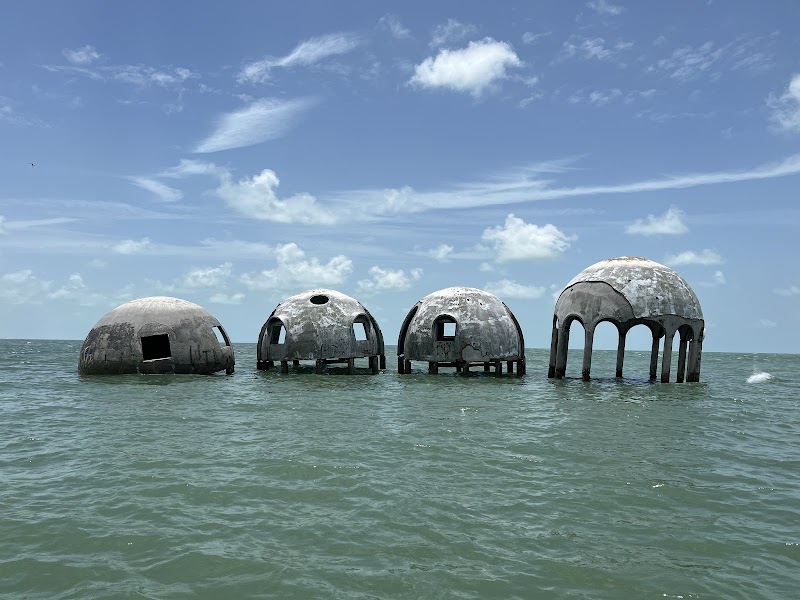
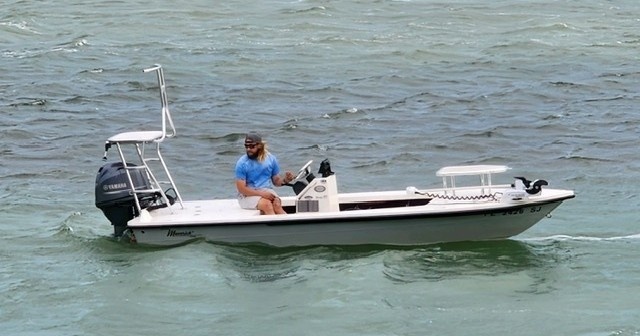
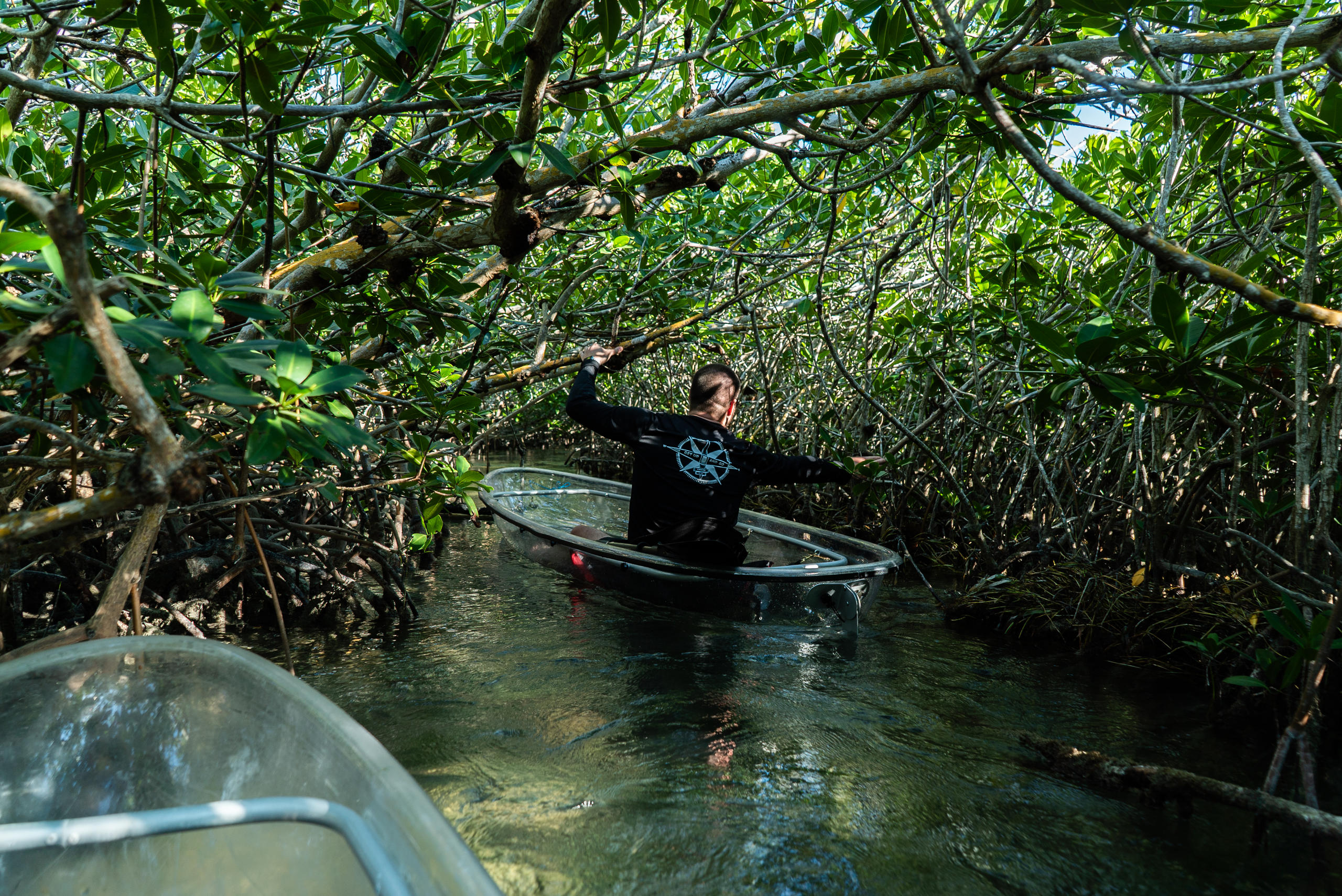
Summerland Key feels like a small, crystalline world where every outing moves at the pace of tides. You can spend a morning with the low-slung horizon of the Atlantic to your right and a maze of mangrove tunnels to your left: launch a kayak into glassy water and trace the shoreline for herons, or push a skiff offshore on a boat tour to watch dorsal fins cut the swell. The appeal here is elemental and immediate—salt on skin, endless sky, and a shelf of coral reefs close enough to touch on a snorkeling or scuba trip. That nearness matters. In a single day you can layer a reef snorkel over a flats-fishing half-day, followed by a sailing or catamaran sunset that frames the Keys' long, clean light.
But Summerland Key is more than checklist activities; it is a place where local knowledge steeped in decades of fishing, boating, and stewardship shapes the experience. Eco tours here don’t just point at turtles and ospreys—they explain restoration work, mangrove ecology, and the permits and practices that keep reefs healthy. Boat rental options and guided fishing charters offer different kinds of independence: an afternoon with a rental skiff and a good tide chart is a private, efficient way to chase tailing bonefish, while an experienced captain running a sight-seeing tour or a dolphin-focused cruise adds narrative and safety to more ambitious outings. For visitors who prefer to stay mostly dry, bike rental and walking tour options let you absorb island life at human pace: pastel cottages, bait shops, and murals that nod to the Keys’ maritime culture.
Practical planning tilts this place from romantic to manageable. The middle Keys have clear seasonality—drier, cooler months bring optimum boating and fishing conditions, while summer heats the water and raises the humidity (and the chance of tropical storms). Gear choices skew toward reef-safe sunscreen, light quick-dry layers, and waterproof storage. If your trip involves fishing, bring or plan for the right license and local expertise; if you want to dive, check certification requirements and current visibility reports. Above all, respect for a fragile marine environment is part of the rhythm: look but don’t touch coral, follow no-take regulations on protected reefs, and choose local operators that practice catch-and-release and reef-safe anchoring. Seasoned travelers and first-timers alike will find that Summerland Key rewards curiosity and a modest pace—spend time for the light, stay for the water, and let the tide set your agenda.
The Keys’ cultural layer is compact but rich: fishing shacks, marinas, and family-run outfitters give practical access to the water while storytellers—captains, guides, and lifelong residents—supply the local lore. Pair a morning fishing charter with an afternoon snorkel trip to see both sides of a living seascape: what you pull from the flats, and the coral communities that support it.
Access is straightforward for visitors: the Overseas Highway links a chain of launch points and marinas, outfitters manage boat rental and guided kayak trips through mangrove canals, and several operators run scheduled sightseeing tours and wildlife-focused catamaran sails. For more independence, bike rental and walking tours let you explore small pockets of shoreline, art, and local eateries between water-based adventures.
Summerland Key’s advantage is variety without surrendering the day to long transfers.