Why Summerland Key Is a Standout Water Activities Destination
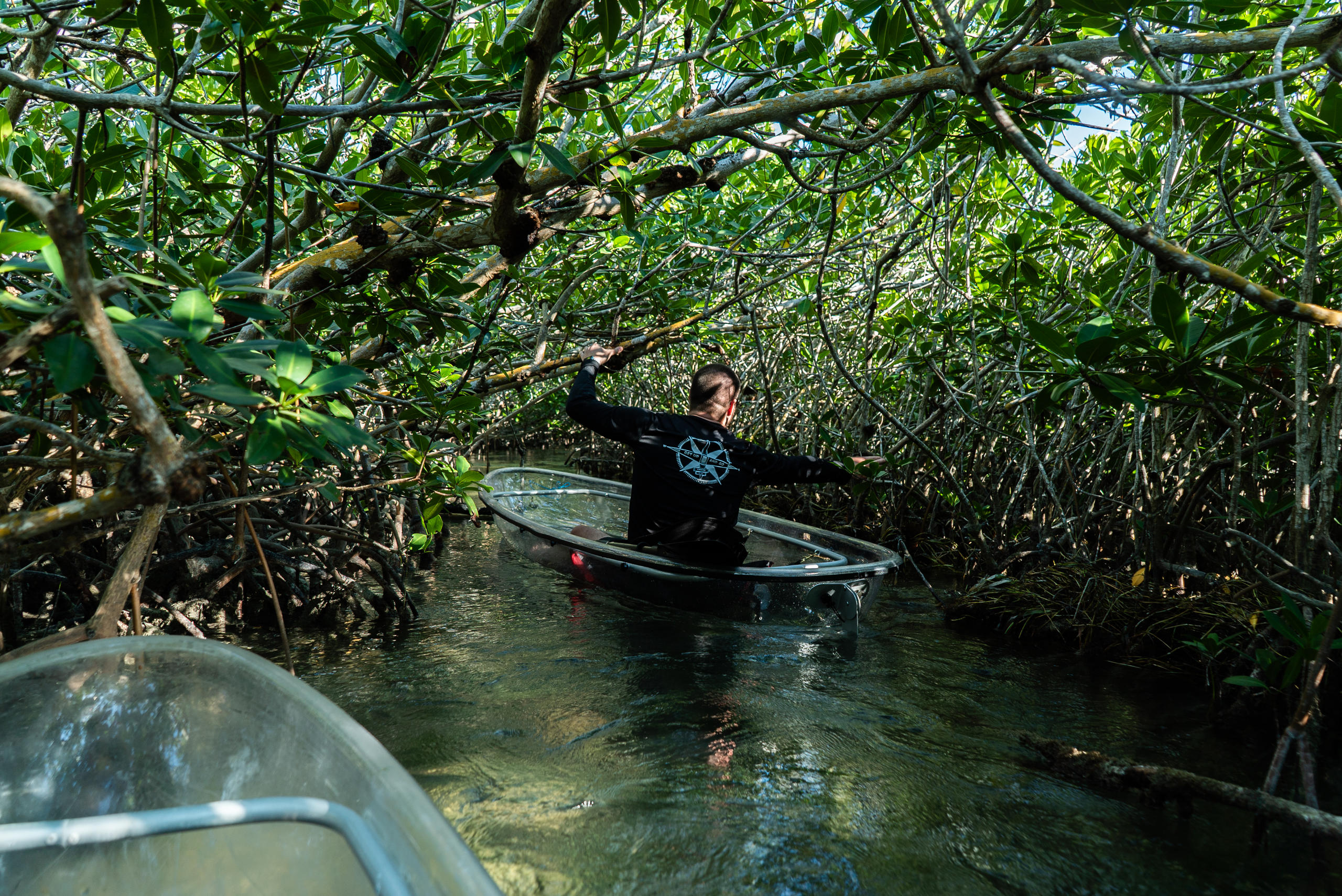
The water here is the story. Summerland Key sits in a marine crossroads where flats, mangrove-lined channels, seagrass meadows, and the nearshore coral reef come close enough to touch in a single day. That diversity compresses many kinds of water-based adventure into short drives and easy launches. You can be standing on a glassy tidal flat at sunrise, paddling past bird-filled mangrove tunnels by mid-morning, and snorkeling a shallow reef by noon—each habitat offering a different rhythm and reward.
Because the Keys are low and open, weather and tides steer the best days. Winter and spring generally produce clearer, cooler air and steadier seas that favor visibility for snorkeling and calm paddling. Summer brings the warmest water and the liveliest marine life, but also short, sometimes strong, afternoon storms and the long shadow of hurricane season between June and November. Local boat operators and outfitters live by the weather forecast; they also know which channels and flats are safe on a falling tide, which reef patches hold the best visibility after a wind shift, and where to watch for migrating birds or foraging tarpon.
Conservation is part of the water-activity experience here—it's visible in the seagrass beds that stabilize shallow flats, the coral patches that host reef fish, and the sound regulations that protect nesting sea turtles and manatee zones. Visitors who come to paddle, snorkel, or fish quickly learn a few rules: wear reef-safe sunscreen, avoid stepping on corals and seagrass, follow posted protections, and, when fishing, carry the proper licenses and follow size and bag limits. Those practices help keep the nearshore habitats healthy and productive—so the next day's dive or the next angler's cast is as rewarding as the last.
Practical access is part of the appeal. Summerland Key is served by US 1 and a string of public ramps, small harbors, and kayak launch points that cut down their approach time to the water. Outfitters and guides operate drop-off and guided tours for everything from shallow-water fly-fishing and flats-guided wade trips to guided kayak eco-tours and certified scuba charters that take advantage of nearshore wrecks and reef ledges. For travelers planning a visit, the interplay of tides, wind, and sun is the primary planner’s tool—the right window can turn a tricky crossing into a placid paddle across a mirror-flat bay.
In short: Summerland Key condenses the Keys’ marine variety into accessible, play-forward experiences. Whether you arrive with a mask, rod, or a board, the keys here reward a bit of local knowledge and a willingness to follow the tides. Expect intimate wildlife encounters, easy logistics, and a persistent sense that the next channel over might reveal something entirely different.
Tidal variation and wind direction shape access to flats and channels—plan around local tide charts.
The nearby reef tract and scattered patch reefs offer accessible snorkeling and diving; visibility varies with wind and rain.
Mangrove shorelines shelter calm paddling routes and are prime habitat for juvenile fish and coastal birds.
Fishing options range from wade-and-fly flats to offshore sportfishing; appropriate licenses and local rules apply.