You first notice the scale from the air. Juneau shrinks quickly into a mosaic of spruce and fjord, and then the helicopter lifts over a creased white sea — the Juneau Icefield — until Herbert Glacier opens like a river of glass. The rotors settle and powdered snow exhaled by wind sparkles under an impossible northern light. When the skids touch the glacier, the world is stripped to basic elements: cold air, the hollow percussion of ice, and the sudden, almost surreal company of a dog team waiting at a camp carved out of a frozen plain.
Herbert Glacier is not a single-picture postcard; it’s a living system fed by one of North America’s most expansive icefields. Geologically, the glacier is an outlet of the Juneau Icefield, carving through alpine ridges and dropping into the tree line where meltwater feeds braided rivers and coastal estuaries. The face of Herbert changes on human timescales — crevasses widen, seracs collapse, and seasonal snows alter the routes dogs follow. That dynamism is part of what makes a helicopter landing here more than a novelty: it’s the most direct way to stand inside the glacier’s story.
Culturally, the region is Tlingit territory; the landscape and its waterways hold place names and histories that predate modern tourism. Juneau grew as a mining town, and today the city is a gateway for experiences that thread together natural history, Indigenous presence, and the logistics of wilderness access. Operators who run heli-dog sled excursions tend to employ local guides who can translate glacier science into field stories—how an icefall today echoes a long-ago avalanche, or how the cryosphere’s retreat shows up in river patterns and tree lines.
Practically, the most compelling way to experience Herbert Glacier is through a combined flight-and-dogsled tour. The Juneau Helicopter and Dogsledding with Added Glacier Landing (the common operator offering this route) pairs the aerial approach — giving you a dramatic perspective on the icefield — with an authentic dog camp experience on the lower glacier. Guests typically take a short but technical helicopter ride from near Juneau, land on stable glacial snow, spend time at a dog camp where mushers explain kennel life, and then walk or ride on sleds across a plain of compacted snow to view crevasses and ice features up close.
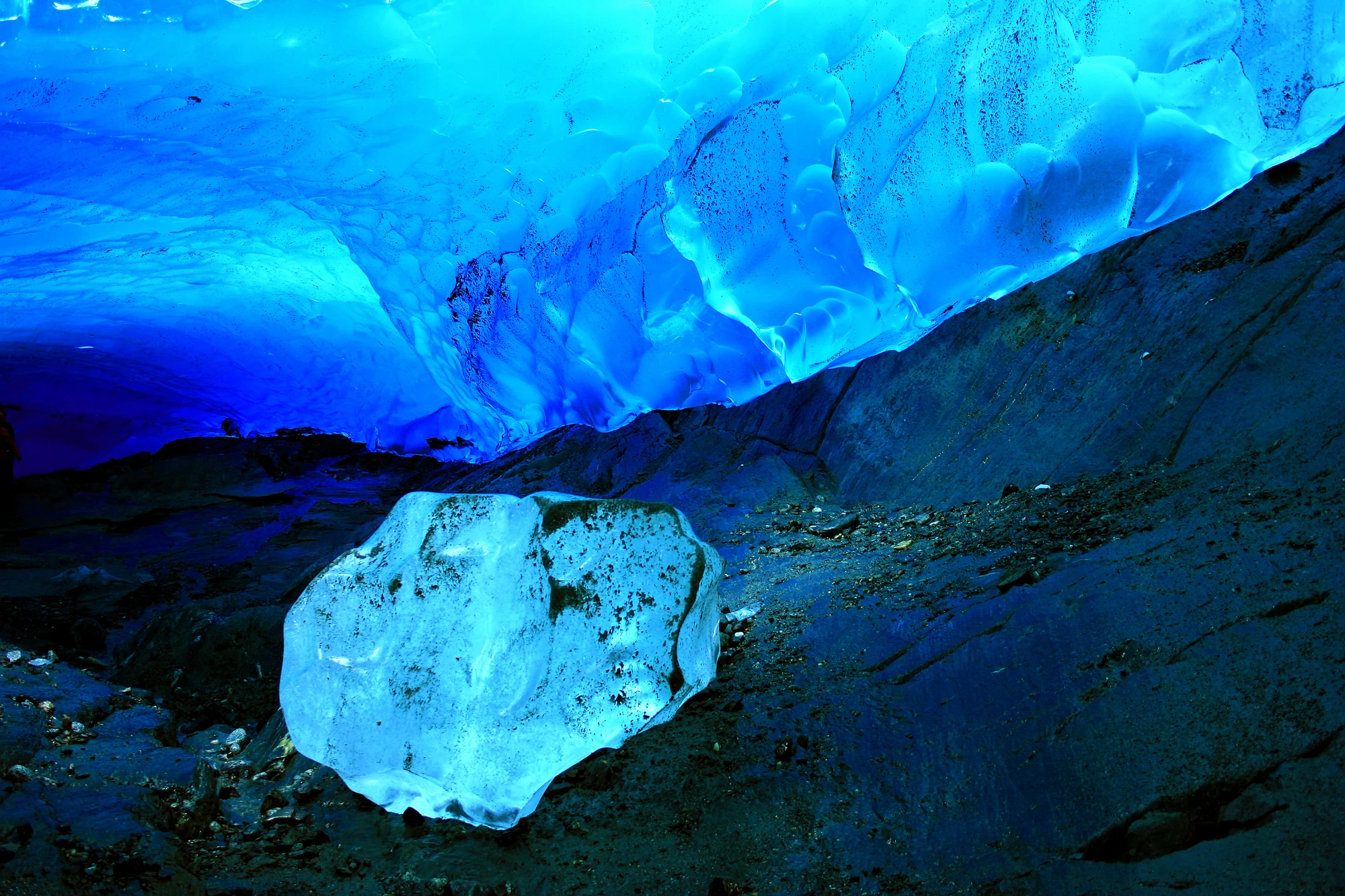
The terrain underfoot is glacier ice and hard-packed snow; expect to be on uneven, sometimes wind-scoured surfaces, with occasional snow bridges over crevasses further out. The dog camp sits on a comparatively safe lower basin where guides establish perimeters and choose routes that minimize risk. The walkabout at the glacier’s lower levels is a short exploration rather than a lengthwise crossing: you’ll see striations, moulins, and the blue, honeycombed ice only glazing reveals.
Timing matters. Morning flights often offer the calmest winds and crisper light for photography. Summer months deliver long daylight and more stable weather windows, but if you want the high-contrast blue ice and a dog team working on hard snow, shoulder seasons can be spectacular. Helicopter operations are weather-dependent; cancellations or reschedules are a normal part of planning in Southeast Alaska. Operators are generally clear about luggage limits, weight policies, and the need for warm, layered clothing.
Safety and stewardship are inseparable from the experience. Dogs are working animals—respect their space and follow the musher’s instructions. Helicopter noise and footprints have an effect on alpine fauna and fragile snowpack; reputable operators employ routes and campsite practices designed to minimize impact. Expect a field briefing that covers both safety and “leave no trace” etiquette.
What to plan for: bring high-quality layers, a windproof shell, insulated gloves, and boots with good tread. If you’re prone to motion sickness, take precautions before the helicopter flight. Carry a small daypack with water and snacks, though many tours include hot drinks and a light snack at the camp. For those who want to stretch their visit, Juneau offers nearby trails and cultural visits—stepping from the compressed white of Herbert back into town gives a stark sense of place.
Herbert Glacier rewards travelers who want a concentrated, sensory entry into Alaska’s glacial world without the glacier-climbing technicalities. The helicopter reduces approach time and transforms access into an immersive essay: you see the ice from above and stand on it; you meet the dog teams that still echo the region’s transport past; you learn about the glacier’s movement and the visible signs of climate shift. It’s an adventure that balances spectacle with education, adrenaline with a surprisingly human scale.
If you go, move deliberately. Let the cold wake up your senses, watch how the dogs shift their weight when they’re harnessed, notice the way light scours a blue channel beneath a snow lip. Carry away the facts as well as the images: that glaciers are shaping the land beneath your boots, that these ecosystems are changing, and that a careful visit can be both a joy and an act of witness. For a few hours on Herbert Glacier, the machinery of modern travel — a helicopter — becomes an ethical conduit, bringing you close without overrunning the place. And the dogs, indifferent to the romance of it all, will remind you the glacier is, for them, a workplace and a home.
This itinerary isn’t for everyone: it requires a basic comfort with short flights, cold, and uneven ice. But for travelers who want an efficient, intimate, and deeply Alaskan experience, a helicopter landing and dogsled walk on Herbert Glacier is one of those trips that recalibrates your sense of scale and time. It’s not just ‘seeing’ a glacier — it’s standing inside its movement, hearing its small collapses under the wind, and sharing a moment with animals bred for the same elements that formed the ice beneath you.