Above the Clouds: A Night on Mauna Kea Where Science and Sky Meet

Above the Clouds: A Night on Mauna Kea Where Science and Sky Meet

Ride up for sunset, stay for the stars — how to experience Mauna Kea’s rarefied summit safely and respectfully.

Continue Reading

By mid-afternoon the road begins to thin. Pine spars give way to ʻaʻā and pāhoehoe, and the air sharpens — not only colder, but thinner, carrying a quiet that feels intentional, as if the mountain itself is reserving a performance. You climb past the Visitor Information Station, a squat, wind-leaning shelter where guides check your group’s readiness and remind you to hydrate. From here the last stretch to Mauna Kea’s summit pushes you into an alpine zone so high and remote the domes of world-class observatories seem to float on a different planet.

Standing at 13,796 feet, Mauna Kea is the Big Island’s tallest peak and one of the best places on Earth to watch the sky. Its elevation, combined with stable Pacific trade winds and low humidity, produces an atmosphere remarkably free of turbulence — the reason nations invest in white onion domes and mirror science here. On a clear evening, the Milky Way strips across the sky in astonishing definition; constellations you thought you knew rearrange themselves, and planets glare like lighthouses.

The experience is sensory and reflective. The summit’s black cinder feels lunar underfoot. The wind has character — it scolds you into your jacket or pushes a laugh out of you as you stagger toward a view rim. Guides point to constellations and to the domes, explaining adaptive optics and mirror diameters with a blend of reverence and plain talk. They also tell another story: Mauna Kea is wahi pana, a sacred place in Native Hawaiian culture, a site of origin and ceremony. The telescopes are a modern-layered chapter in a landscape already full of narratives.

Mauna Kea Summit and Stargazing Adventure Tour.

Geologically, Mauna Kea is a shield volcano capped with cinder cones and glacial relics — a mountain that records climate shifts and sea-level stories. Beneath your boots is basalt formed in flows that long predate human memory. Measured from its base on the ocean floor, Mauna Kea is often called the tallest mountain in the world, a fact that reframes the summit’s thin cold into something grand, almost amphibious: a mountain that swims up from the depths.

Cultural context is central to the visit. There is ongoing dialogue between the scientific community and Native Hawaiian stewards about stewardship and respect. Your guide’s briefings will often include requests to behave with humility — no climbing cinder cones, no touching archaeological sites, leaving no trace. These are not just rules; they are part of the mountain’s voice.

Practical details matter here the way oxygen does. The tour is an eight-hour day: drivers pick you up from meeting points on the island, you acclimatize at the Visitor Information Station for about half an hour, then proceed by 4x4 to the summit. The time is paced — a measured ascent to reduce altitude stress, a sunset stop that drains color from the horizon to neon, and then an hour or more of stargazing under an ocean of black. Guides carry binoculars and laser pointers; the best telescopes are the observatory domes themselves, but the unobstructed sky is the real instrument.

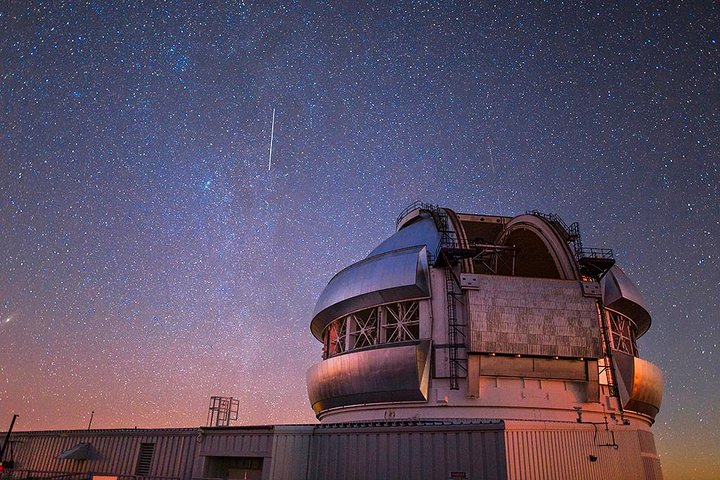
The night sky at Mauna Kea's summit on the Big Island of Hawaii is full of stars.

Expect extremes: daytime sun that burns through a cloudless blue and nights that dip well below freezing. The road to the summit is unpaved and steep in places; some operators require high-clearance vehicles. That’s why small-group tours are popular — the logistics are taken care of and you get a guide who understands how to move people safely in thin air.

Who should do it? Travelers who want scale and perspective — not a casual sunset drive but a focused, experiential evening where science and culture meet under one sky. It’s ideal for photographers who want crisp night-scapes, for families with older kids who can handle altitude, and for anyone with a curiosity about how our planet fits into the larger cosmos. It’s not an adventure for people with severe respiratory or cardiovascular conditions or those who are pregnant.

Preparation is straightforward but non-negotiable. Hydrate for 24 hours before, carry warm layers, and eat light but energy-rich snacks before you ascend. If you’re prone to altitude sickness, consult a physician about acetazolamide before traveling; otherwise go slow, breathe deliberately, and listen to your guide. Footwear should be sturdy but not slavishly heavy — crampons are unnecessary; the summit walks are short but on uneven volcanic scree.

Mauna Kea Summit and Stargazing Adventure Tour.

Photographers will love the clarity — bring a tripod and a fast wide lens for the Milky Way, and practice long exposures. Guides usually permit a controlled approach to the domes during the viewing, but access to inside observatories is restricted and requires special arrangements.

Beyond stars, the summit offers perspective on the island’s multiplicity. From here you can see the rim of Mauna Loa, the shine of ocean surf, and the dark patchwork of rainforest far below. It’s a place where geology, astronomy, and human history intersect in a single inhale.

If you go on a small-group tour, remember this: you’re a guest of both science and culture. You’ll leave with images, a little dizziness from the altitude, and a hum of humility. That, in part, is what makes Mauna Kea essential — it demands that you quiet yourself, look up, and consider how small and precious the point you stand on truly is.

DurationApproximately 8 hours (full-day tour)
Group Size1–12 Guests
LanguagesEnglish
Rating4.9 (1675 reviews)

Not recommended for travelers with spinal injuries

Not recommended for pregnant travelers

Not recommended for travelers with poor cardiovascular health

No scuba diving within 24 hours

Plan your visit

Trail Wisdom

Acclimatize at the Visitor Station

Spend the mandatory acclimatization time at the Visitor Information Station — it reduces altitude sickness risk and gives your guide time to brief safety and cultural protocols.

Hydrate Long Before You Go

Begin increasing water intake 24 hours before the tour; thin air and cold both conspire to dehydrate.

Dress in Layers for Rapid Temperature Swings

Bring windproof outer layers plus an insulating mid-layer; summit temps can drop below freezing even after a hot day.

Limit Alcohol and Heavy Meals Pre-Trip

Avoid alcohol and very heavy meals before the ascent to reduce altitude sickness and gastrointestinal discomfort.

Local Knowledge

Hidden Gems

  • Hāpuna Beach State Recreation Area for daytime snorkeling and contrast to the summit
  • On the drive down, stop at the Mauna Kea Ice Age Natural Area Reserve to see ancient cinder cones and native plants

Wildlife

Hawaiian goose (Nēnē) at lower elevations, Native insects and alpine plants adapted to high-elevation conditions

Conservation Note

Visitors are asked to respect archaeological sites and alpine flora, stay on roads and trails, and avoid leaving any trace; follow guidance from the Visitor Information Station and local organizations.

Mauna Kea has long been a sacred site in Native Hawaiian tradition and over the past few decades has also become an international center for astronomical research, a juxtaposition that has shaped local conversations about stewardship.

Seasonal Guide

spring

Best for:Stable skies for stargazing, Cool daytime hiking, Fewer crowds than peak summer
Challenges:Occasional late-night storms, Cold nights

Spring generally offers clear skies and mild days, but nights at altitude can be sharply cold — plan warm layers.

summer

Best for:Extended clear evenings, Warmer daytime temps at lower elevations, Good photography windows
Challenges:Increased tourist numbers, Possible vog from volcanic activity affecting distant visibility

Summer brings reliable skies and longer evenings, though it’s busier and conditions lower down can be warmer than expected.

fall

Best for:Crisp air for vivid skies, Less humidity, Fewer tour groups
Challenges:Variable weather as trade winds shift, Cold nights

Fall can provide some of the clearest conditions for astronomy, but be ready for shifting trade wind patterns.

winter

Best for:Rare snow on summit for dramatic contrast, Exceptional atmospheric clarity on calm nights
Challenges:Potential for snow and ice, Roads may be more difficult, requiring experienced drivers

Winter can be spectacularly sharp and photogenic, but storms and icy conditions raise the stakes — book a guided tour with proper vehicles.

Photographer's Notes

Bring a fast wide-angle lens (14–24mm), a stable tripod, and remote shutter release; shoot at high ISO (1600–6400) with 15–25 second exposures for the Milky Way, and bracket exposures during sunset — and allow cameras to acclimate to cold to avoid lens fogging.

What to Bring

Insulating Jacket

Essential

A warm down or synthetic jacket protects against summit winds and sub-freezing temperatures.

Sturdy Hiking Shoes

Essential

Supportive footwear with good traction handles loose volcanic scree on summit walks.

○

Tripod

Essential for long-exposure night photography to capture the Milky Way and star trails.

Hydration System (2L+)

Essential

Ample water is critical; thin air increases dehydration, so bring more than you think you'll need.

Common Questions

How cold does it get at the summit?

Temperatures can drop below freezing, especially at night; expect wind chill and dress accordingly.

Is altitude sickness common on this tour?

Some participants experience mild symptoms; the tour includes an acclimatization stop and pacing to reduce risk, but stay hydrated and inform guides of any medical concerns.

Can I drive to the summit on my own?

High-clearance 4WD is recommended for the unpaved summit road and some operators require it; many visitors prefer guided tours that handle logistics and safety.

Are the observatory domes open to the public?

Observatory access is restricted; you can view domes from outside and use powerful telescopes during organized viewing sessions, but entering facilities generally requires special permission.

Is stargazing guaranteed?

No — weather and cloud cover determine visibility; reputable operators monitor conditions and may reschedule or issue refunds if the summit is unsafe or visibility is poor.

Do I need any permits to visit Mauna Kea?

No general permit for visitors, but the summit is culturally sensitive — follow all site rules and respect closures; some guided experiences require health and safety waivers.

What to Pack

Insulating jacket, water (2L+), tripod for night shots, sturdy hiking shoes — for warmth, hydration, steady photos, and safe footing

Did You Know

Measured from its base on the ocean floor, Mauna Kea is taller than Mount Everest, with a total height of over 33,000 feet from base to summit.

Quick Travel Tips

Book a guided tour with acclimatization stops; hydrate for 24 hours beforehand; carry layered clothing and a headlamp; check moon phase for best stargazing.

Local Flavor

After the tour, head to Hilo for a local plate lunch and fresh poke, or try a Kona coffee stop on the west side; for local culture, visit a Hawaiian cultural center or farmers market to hear moʻolelo and sample island food.

Logistics Snapshot

Closest airport: Hilo International Airport (ITO). Driving time to Visitor Information Station: ~1–1.5 hours; to summit: ~1.75–2 hours depending on road and weather. Cell service: patchy to none above the Visitor Station. Permits/passes: none required for visitors, but respect cultural sites and any temporary closures.

Sustainability Note

This summit is both ecologically fragile and culturally significant — stick to roads and marked areas, do not remove rocks or artifacts, and dispose of all waste off the mountain.

Topics

Included

  • Private star show with telescope
  • Hooded parkas and gloves
  • Central Meeting Locations for Pick-up & Drop off
  • Hot cocoa and cookies
  • A warm picnic dinner is provided with a choice of Southwest Stew or Vegetarian Chili (gluten-free).
  • Local taxes
  • Guide
  • Pick-up & Dropoff from Central Meeting Locations

Good to Know

  • Not recommended for travelers with spinal injuries
  • Not recommended for pregnant travelers
  • Not recommended for travelers with poor cardiovascular health
  • Suitable for all physical fitness levels
  • Minimum age is 13 years - No children under 13.
  • Due to the high altitude, this tour is not suitable for those with respiratory, circulatory or heart conditions, pregnancy, or poor health.
  • Scuba divers should be aware of altitude dangers. If you plan to scuba dive, do not plan to go to the summit within 24 hours after you dive due to the altitude.
  • Guests are required to wear closed-toed shoe and long pants. We recommend bringing a sweatshirt or sweater for layering.
  • Please provide your parka size (small, medium, large, x-large or xx-large) and meal choice at the time of booking. If you do not indicate this at the time of booking, you will need to contact the tour operator directly.
  • There is minimal walking on this tour, the maximum being about 150 yards. Please note we are unable to accommodate any guests with a collapsible wheelchair. All guests must be able to enter and exit our vehicles on their own, and walk comfortably on uneven terrain with limited lighting on their own.
  • The access road to Mauna Kea is four-wheel drive only, so it can be bumpy. The custom off-road transit vans will get you to the top and back in safety and comfort. The transit vans can carry a maximum of 12 passengers
  • Snow is seasonal at Maunakea, with the heaviest snowfall occurring during the winter months
  • Please note your scheduled pick-up time may differ from the tour start time displayed online. Contact us to confirm your meeting time & location.
  • Weather changes can occur quickly, and the access road to the summit can close without warning; therefore we cannot guarantee access to the summit or favorable conditions.
  • No scuba diving within 24 hours