Above the Estuary: A 45-Minute Seaplane Journey Over Chesapeake Bay

Above the Estuary: A 45-Minute Seaplane Journey Over Chesapeake Bay

For All Ages! • 45 Minutes

Continue Reading

The plane lifts off like a small, delighted animal — a few decisive revs, the spray spit off the floats, then the world unspools. Below, the Chesapeake Bay lays out its patchwork of marsh, oyster bars, and ribboned tributaries; the Atlantic horizon reads clean and patient. For 45 minutes you pendulum between intimacy and scale: the hush of the cabin, the pilot’s practiced commentary, and then the open-window clarity of a sky that seems to make room for everything you can point a camera at.

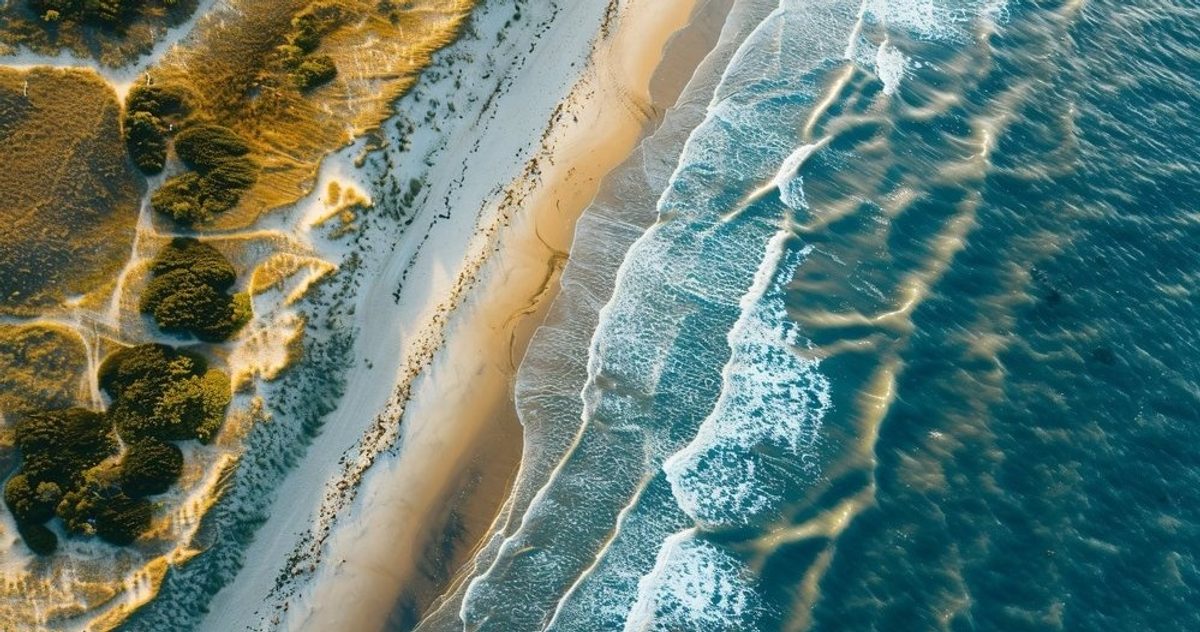
This is the logic of the Chesapeake Bay Tour. It’s not stunt flying or an aerobatic joyride; it’s an orbital, observational flight that turns familiar shoreline into a new language. You’ll cross river mouths that have carved the region’s history — small, stubborn towns that grew up around water — and watch the Bay’s mixing of fresh and salt in clear patterns: brown river fingers meeting slate-blue open water, with sandbars and submerged grasses forming an ever-changing coastline.

The geology here is patient and tidal. The Chesapeake itself is a drowned river valley, shaped by glacial melt and rising seas over millennia. The shallow contours mean currents push and pull with visible effect, bringing sediment, nutrients, and the life that feeds on them. From above you can read those processes like a map: eelgrass beds as dar - green patches, oyster reefs as jagged shadows. The Bay is the largest estuary in the United States, and that title explains the density of species, the ferrying of people, and the culture braided into the salt air.

Culture is a shoreline thing here. Pilots are part meteorologist, part storyteller — they point out the Naval Academy’s parade grounds, the scatter of historic lighthouses, and the small boatyards where wooden hulls are still coaxed back to life. On land, towns like Annapolis and St. Michaels fuse seafood and seamanship; they grew from the work of harvest and trade and keep those rhythms audible if you know where to listen.

Wildlife is a constant surprise. From your window you’ll likely pick out osprey perched like fishermen’s sentries, diamondback terrapin at nesting edges, and, if you’re lucky in the right season, pods of dolphins slipping along the Atlantic edge. This is a flight that privileges seeing: you’ll know you’re in the right place when a seal’s head becomes a punctuation mark in the lane of a river.

Practical side: this is a short, intense tour designed for people who want an elevated sense of place without committing a full day. Flights run roughly 45 minutes and require a minimum of two guests to operate on standard runs; private charters or booking two seats will guarantee departure. The aircraft are floatplanes — plan for some spray on takeoff and touchdown and for a small cabin with large windows, not the hush of a pressurized jet.

How to make the most of it: pick a clear day for the best visibility and the most dramatic contrasts between land and water. Bring a camera with a mid-range zoom (70–200mm covers most needs), polarizing filter to cut glare, and a snug strap — you’ll be leaning to the side to frame marsh edges and bridge spans. Dress in layers; even in summer the bay breeze can feel crisp when you’re airborne. Listen to your pilot; they’ll point you to landmarks and wildlife, and their local intel is the difference between a pretty flight and a memorable one.

This trip is as accessible as it is cinematic. Families will love the novelty, photographers will savor the shifting light, and anyone with a curiosity for coastal systems will come away with a clearer sense of how sea and land shape one another. For those who want to expand an outing into a weekend, pair the flight with a crab feast at a local oyster shack, a stroll on a harbor promenade, or a kayak trip into a tributary for a closer look at the eelgrass meadows you just circled.

Booking note: because standard flights need a minimum of two passengers, the tour operator will either combine small groups or offer the option to reserve privately. That makes this an easy add-on to a Chesapeake weekend, or a deliberate splurge for a celebratory trip. If you’re aiming for prime light, schedule morning flights for calmer air and softer shadows, or late afternoon for golden tones skimming the water.

From safety to savoring, this 45-minute ride is more than a bird’s-eye thrill — it’s a focused lesson in place. You’ll return with the kind of map that only movement makes: a list of favorite coves, a new respect for tidal rhythm, and photographs that feel like discoveries because you, briefly, saw the landscape on its own terms.

For practical booking and local details, check the full listing for the Chesapeake Bay Tour. Whether you’re a first-time flyer or a repeat visitor looking for a different viewpoint, this flight delivers an efficient, intimate window on one of America’s most storied estuaries.


Duration45 minutes
Plan your visit

Trail Wisdom

Bring a small camera with a strap

A mid-range zoom (70–200mm) and a secure strap make framing wildlife and shoreline details easier in a small cabin.

Dress in layers

Coastal winds and altitude can make temperatures feel cooler; a light windbreaker and fleece work best.

Choose morning for calmer air

Early flights tend to have smoother conditions and softer light for photography.

Secure motion-sensitive gear

If you’re prone to motion discomfort, take preventive measures and keep devices fastened to avoid accidents during takeoff and landing.

Local Knowledge

Hidden Gems

  • Fly past secluded oyster reefs visible at low tide
  • View lesser-known river coves that host quiet waterfowl concentrations

Wildlife

Osprey, Bottlenose dolphin

Conservation Note

The Bay faces sea-level rise and nutrient runoff challenges; stick to designated docks, avoid disturbing wildlife, and support local oyster restoration efforts.

The Chesapeake Bay region has been a maritime hub for centuries; communities grew around shipbuilding, fishing, and naval institutions that shaped local identity.

Seasonal Guide

spring

Best for:Migratory birds, Easterly wildflower blooms
Challenges:Unpredictable weather, Cooler winds over the bay

Spring brings bird migrations and fresh green marshes but variable conditions — pick a clear day for best visibility.

summer

Best for:Warm water contrasts, Long daylight hours
Challenges:Hazy afternoons, Increased boat traffic on popular days

Summer offers warm light and vibrant coastal color; schedule flights in mornings or evenings to avoid midday haze.

fall

Best for:Crisp visibility, Autumn shorebird movements
Challenges:Shorter days, Cooler temperatures on the water

Fall typically provides the clearest air and vivid tones as marsh grasses brown — ideal for photography and wildlife viewing.

winter

Best for:Sparse crowds, Clear, low-angle light
Challenges:Cold temperatures, Potential for limited operations in storms

Winter flights are quieter and can be remarkably clear, though you should bundle up and check weather cancellations.

Photographer's Notes

Use a polarizer to cut glare, pick a side of the plane based on sun angle when booking, shoot in continuous mode for wildlife, and stabilize the camera against the window frame or seatback to reduce shake.

What to Bring

Mid-range zoom lens

Essential

Covers both wide shoreline shots and tighter wildlife framing from the cabin.

○

Polarizing filter

Reduces glare off the water and improves color saturation on sunny days.

Layered windbreaker

Essential

Blocks spray and wind during takeoff and keeps you comfortable at altitude.

Secure camera strap or harness

Essential

Prevents accidental drops in a small, moving cabin and keeps hands free when needed.

Common Questions

How long is the flight?

The standard tour lasts approximately 45 minutes.

Is there an age limit for passengers?

No formal age limit in most cases, but children must be accompanied and pilots may provide specific safety guidance for small passengers.

What happens if the minimum passenger requirement isn't met?

The operator will contact you to reschedule, cancel with a refund, or offer a private flight option to guarantee departure.

Can I bring a large camera bag or tripod?

Space is limited in the cabin; bring compact camera gear and avoid bulky tripods. Use a wrist or neck strap for security.

Are flights canceled for weather?

Yes — seaplane operations are weather-dependent. Operators monitor conditions and will reschedule or refund if flights are unsafe.

Will I get commentary during the flight?

Yes, pilots typically narrate landmarks, local history, and wildlife sightings throughout the tour.

What to Pack

Camera with strap for photos, Polarizing filter to reduce glare, Layered windbreaker for spray and wind, Small binoculars for wildlife viewing

Did You Know

The Chesapeake Bay is the largest estuary in the United States, supporting more than 3,600 species of plants and animals.

Quick Travel Tips

Book morning flights for calmer air, Reserve seats ahead on weekends, Expect limited luggage space, Bring motion-sickness prevention if needed

Local Flavor

After your flight, head to Annapolis City Dock or Cantler's Riverside Inn for crabs and oysters; walk the historic downtown or visit Carroll's Creek Cafe for waterfront dining and local beer.

Logistics Snapshot

Closest airport: Baltimore/Washington International (BWI) ~30–40 minutes drive; Driving: most seaplane operations are near downtown Annapolis; Cell service: generally reliable near channels but may be intermittent over marshes; Permits: none required for passengers — private charters available; Note: flights typically require a two-person minimum.

Sustainability Note

The Bay is sensitive to shoreline disturbance and nutrient runoff — avoid feeding wildlife, pack out all trash, and support local oyster restoration and shoreline conservation initiatives.

Topics