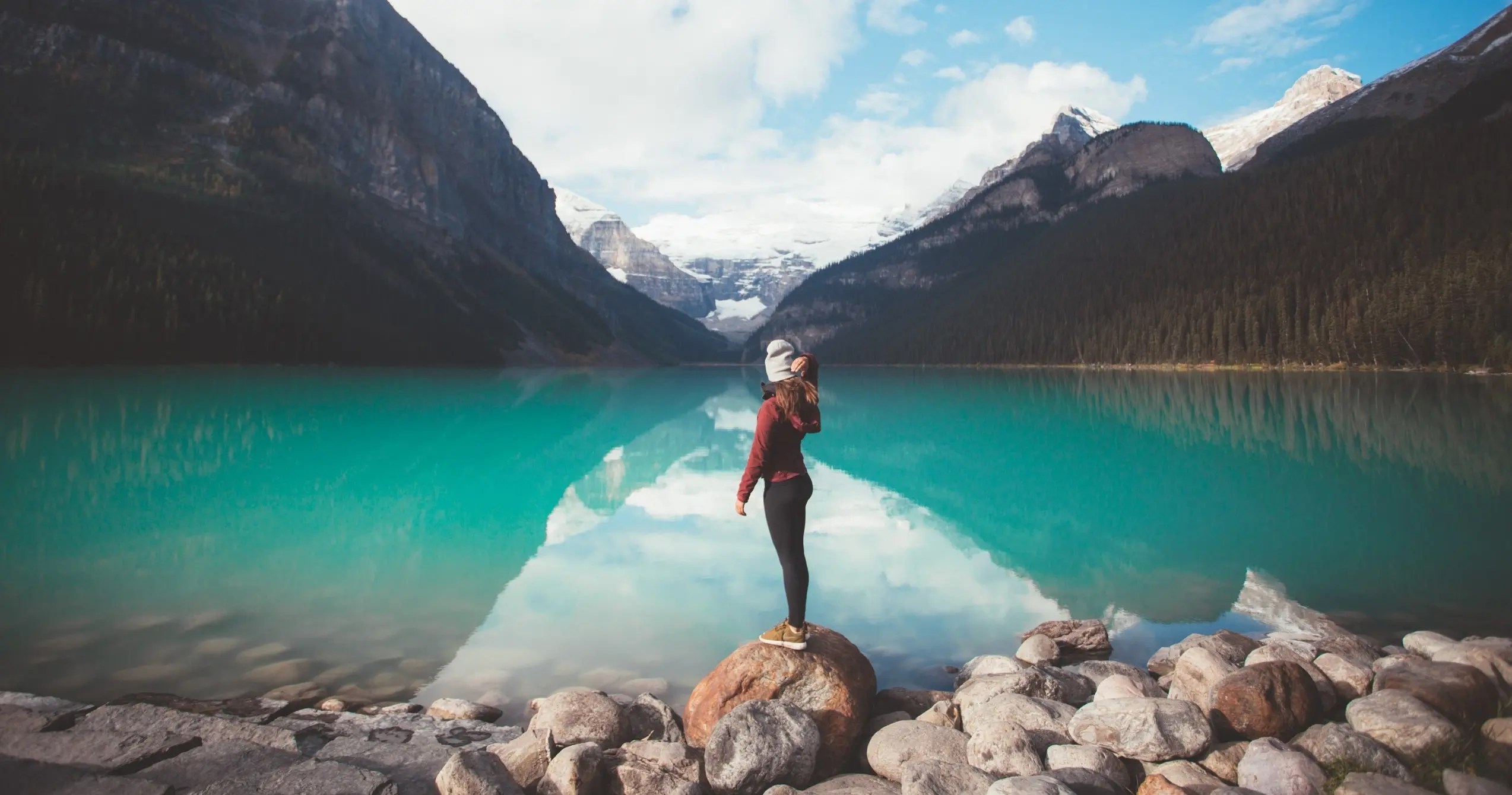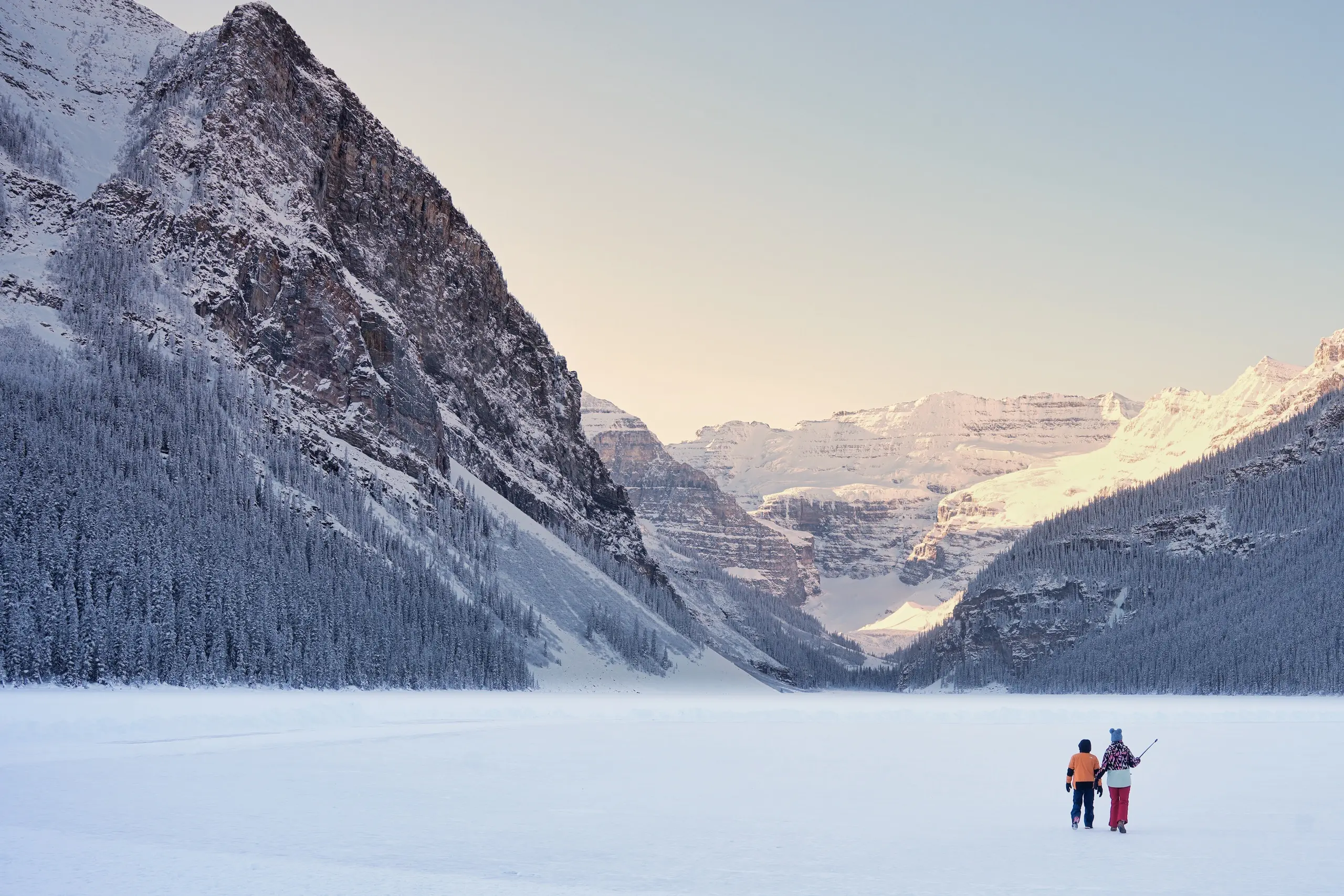
The lake wakes before the crowds. In the pale blue hour, Lake Louise holds its breath, the glacier above whispering down-canyon while the water wears that impossible turquoise like a secret. Your guide eases the van into a quiet pullout, and the mountains step forward as if to greet you—Victoria’s icefall, Lefroy’s black strata, Fairview’s broad shoulder—all watching the shoreline path where your small group moves in a hush. The day is yours, and the park seems to know it.
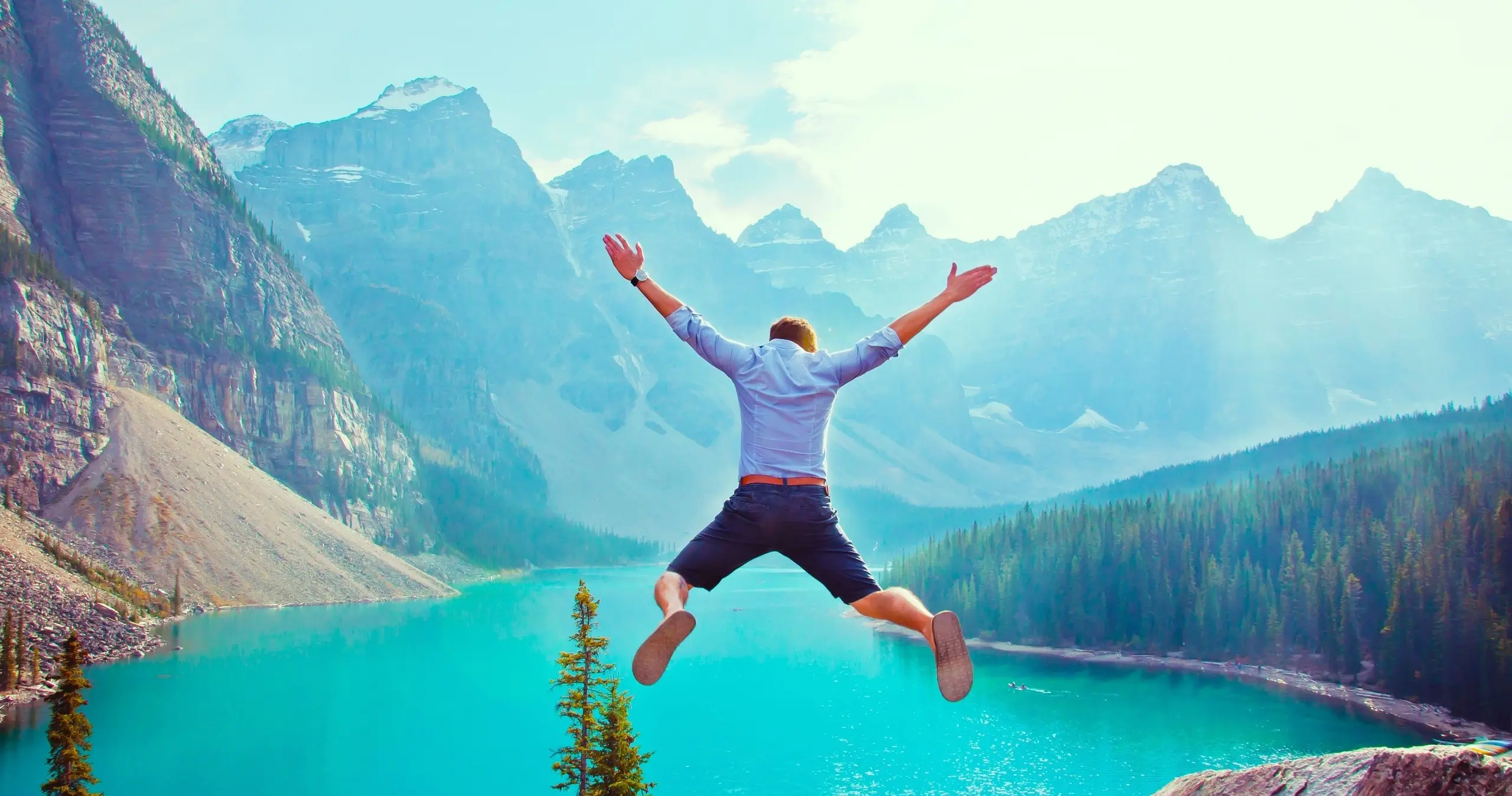
This is the promise of the Private Best of Banff National Park Adventure (https://app.advcollective.com/local-experts/private-best-of-banff-national-park-adventure): the greatest hits with the volume turned down, timed and tuned by a local who knows when the light is kindest and the valley is most still. You’ll spend the morning tracing the edge of Lake Louise as the sun slowly finds the valley, then shift to Moraine Lake, whose Ten Peaks stand like a council of granite elders. With a guide at the helm, logistics—parking bans, shuttle windows, crowds—fade to background. You just step into the landscape and start listening.
Banff National Park is Canada’s first national park, a protected swath of the Canadian Rockies since 1885. Its backbone is ancient limestone and dolomite lifted by tectonic heave, then carved by ice into U-shaped valleys, hanging cirques, and the knife-edged peaks that frame every windshield view. The color you’ve come to see—the turquoise that looks Photoshopped—is real and earned: rock flour from grinding glaciers suspended in cold water, scattering light into that electric hue. At Moraine Lake, the Ten Peaks loom so close they feel conspiratorial. The lake itself changes personality with every gust; wind cants the surface and the color shifts, a mood ring set to alpine.
Culture here is inseparable from the land. For the Îyârhe Nakoda, Ktunaxa, Tsuut’ina, and Niitsitapi peoples, these valleys have long been travel corridors and storied places. Later, the Canadian Pacific Railway leveraged mountain imagination, building grand hotels and postcard moments that made Lake Louise famous. What the brochures missed, your guide supplies: quiet coves, viewpoints no one bothers to hike a few extra minutes to, the way a light drizzle can erase reflections and replace them with a milky, painterly wash that feels like a private showing. The route is nimble by design. When visibility turns fickle, the guide pivots. When wildlife appears, the day breathes with it—on safe terms, with distance and respect.
By late morning, the tour angles toward Moraine Lake. Private vehicles can’t access the road, but permitted tour vans can, which means you skip the shuttle lottery and roll straight into one of the Rockies’ most coveted amphitheaters. From the Rockpile, the view is a syllabus of everything this park teaches—geology stacked in bands, snow holding to shadow, water radiating color like a lighthouse. Some travelers rent a canoe and let the lake pull them forward; if you stay ashore, the shoreline trail strings together quiet pockets where the mountains lower their voice so you can hear the water lap. Either way, the current keeps time. It nudges, it invites, it sets the day’s pace.
The afternoon is a wildcard—the part your guide keeps close. It might be a drive along the Bow Valley Parkway, where meadows flirt with the tree line and elk browse at the edge of sight. It could be Vermilion Lakes for a mirrored skyline, or a lesser-known picnic spot that turns lunch into a lingering interlude. The surprise is more than a gimmick; it’s a way to ride conditions, dodge crowds, and tilt the day toward wildlife and solitude. When the Rockies are in a show-off mood, the guide will put you there. When they’re coy, you’ll know where to look.
Between stops, the van fills with story—the railway that stitched this place to a country, the avalanche paths that mow clearings each winter, the reason larches turn gold in September and set entire slopes aglow. You learn why the grizzlies keep their distance when we keep ours, and how a park this celebrated still holds secrets when you time it right. Your guide’s camera tips are built on repetition: bring a polarizer to cut glare, step left a meter to clean the foreground, wait out the gusts for glassy reflections. Nothing fussy, just practice—pro tips earned over countless morning laps around the lakes.
This is an eight-hour arc that feels unrushed because it’s curated where it counts: pick-up from Banff, Canmore, or Lake Louise; lakes in their best light; a flexible finale that makes room for wildlife and weather; and comfortable transport with panoramic windows letting the landscape narrate between walks. A picnic lunch keeps you moving, and the water refill station turns a simple bottle into a small climate win. It’s not a sufferfest. It’s a day that opens the door and holds it, long enough for your senses to settle in.
If Banff has a greatest hits album, this tour is the remaster. It’s also the easiest way to thread the needle of modern park realities—restricted road access, seasonal closures, variable forecasts—without sacrificing spontaneity. And when you step back into the afternoon light at the end of it all, you may notice a quiet shift. The lakes feel less like landmarks and more like acquaintances. The mountains stop being background and start being hosts. And you’ve got a map of moments you didn’t know to ask for, stitched together by a guide who knows when to let a place do the talking.
Ready to time your day to the park’s rhythm? Learn more or book the Private Best of Banff National Park Adventure here: https://app.advcollective.com/local-experts/private-best-of-banff-national-park-adventure. For travelers considering a small group alternative, the same link points you to a top-rated option that shares the spirit, if not the privacy, of this itinerary.