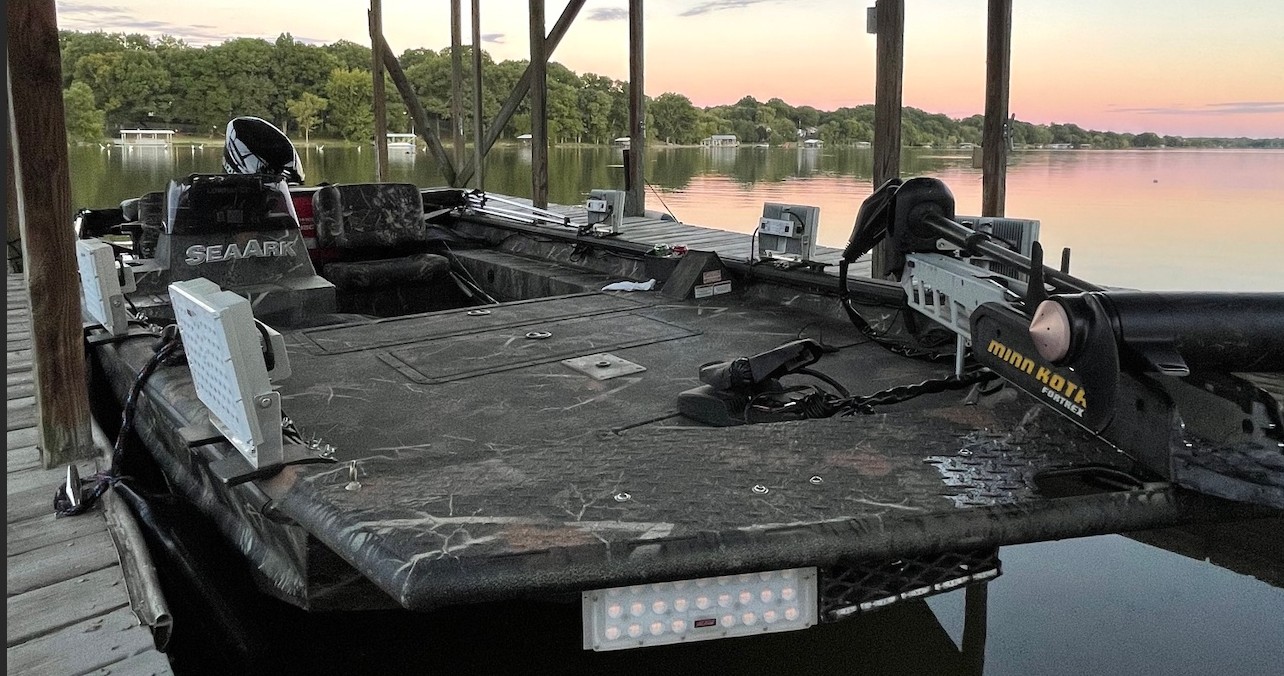
Bowfishing: Trout Days and Quiet Wake on Middle Tennessee Waters

Bowfishing: Trout Days and Quiet Wake on Middle Tennessee Waters

All Ages Welcome • 4 Hour Trip • 4 Passengers MAX

Continue Reading

The first morning light slices across glassy water and the boat hums forward like a patient animal. You push off from a small marina and the shoreline loosens: oaks lean over the bank, minnows scatter where a heron steps, and the river itself seems to dare you to pick a line. This is Middle Tennessee—where trout tailwaters and reservoir coves trade secrets—and the day ahead is a ledger of small, precise pleasures: a perfect cast, a soft tug, the clean flash of a rainbow trout. Book a guided Bowfishing trip here and you’re signing up for more than a day on the water; you’re buying into a rhythm that the rivers have been keeping long before the motor started.

Don’t let the name fool you. This service is geared toward family-friendly trout fishing across famed local waters: Caney Fork River, Center Hill Lake tailwaters, and the calmer reaches of Percy Priest and Dale Hollow. The boats are modest and stable, the captains local and practiced, and the equipment is provided—rods, reels, bait, even coolers for drinks. Kids under 12 fish free, and groups get a compact, four-hour window to sample some of Tennessee’s most reliable trout haunts. All you need to bring is curiosity, sunscreen, and a willingness to be guided to the fish.

The geology of Middle Tennessee sets the stage: limestone bedrock channels streamflow into cold tailwaters ideal for trout, while deeper reservoirs moderate temperature and hold forage. The Tennessee Wildlife Resources Agency and local fisheries programs actively manage these waters, stocking rainbows and browns in accessible runs and near structure where trout like to hide. Cultural history is threaded into the trip as well—these streams and lakes have fed locals and travelers for generations, and the docks often come with stories about early settlers, mills, and the flood-control projects that reshaped the river system.

On a good morning the water does the talking. The Caney Fork’s riffles chatter with insect life; below Center Hill Dam the current is a steady presenter, pushing trout into the seams where submerged structure and cooler flow converge. Percy Priest, closer to Nashville, offers a quieter boating experience—plenty of coves and accessible shorelines that make it a popular choice for family groups and first-time anglers. Your guide will read the water, point out likely seams, and coach on technique. If you want to practice fly casting, say so. If you prefer conventional spinning gear, that’s provided too. Either way, the captain is there to get lines in front of fish.

Practicalities matter on a day like this. You’ll need a Tennessee fishing license (available online) and the trip operator will confirm local regs before you shove off. The boat holds up to six passengers, though many groups prefer the intimacy of the four-passenger setup detailed in the listing—more elbow room on the casting deck and better chances for everyone to land a fish. Expect to stand and shift weight as you cast; wear shoes with grip and a light jacket for early-morning breezes. Sun protection isn’t optional—polarized sunglasses will save your eyes and vastly improve your ability to see fish in the shallows.

What makes these outings rewarding is the blend of skill and serendipity. A well-placed cast to a ripple or a seam can yield an instant thrill; at other times the captain’s local knowledge sets you up, and you trade casting tips and stories while the motor idles. Bring snacks and a camera—trout take a neat, photogenic arc out of the water and that flash of silver is worth a frame. For first-timers, the quick feedback and patient instruction make fishing accessible; for seasoned anglers, the local spots and the possibility of a big brown make it worth the trip.

If you’re planning a visit around timing, spring and fall offer the most comfortable temperatures and active trout; summer tailwater fishing can still produce excellent results, especially early and late in the day, while winter trips are quieter and more contemplative. The provider’s cancellation policies are strict, but weather-related disruptions generally yield rescheduling credit—always confirm those details when you book.

Beyond the strike and the landed fish, there’s a larger reward: connection. The river softens the edges of your day. Stand in that current long enough and you’ll notice how small gestures—untangling line, sharing a thermos, laughing at a missed hook set—create a different rhythm than the city. After the trip, drive back toward Nashville, drop by a local brewery, and swap stories about the fish that got away. Book a guided Bowfishing outing and you’re not just hiring a boat; you’re getting a local guide to the river’s best minutes.

If you want to maximize the day: aim for early morning or late afternoon, wear layers, and listen to your captain. They’ll put you on fish more consistently than the smartest YouTube tutorial. For families, the short four-hour window keeps attention from wandering; for anglers aiming for numbers or size, combining reservoir and tailwater trips over multiple days will increase your odds. And remember—whether you’re after a flash of rainbow or the slow, deliberate tug of a brown trout, the best catch is the one that gets you back on the water.

Find dates and bookable options through the guide page. Each trip is an invitation to learn how these waters behave and to practice a quiet, skilled patience—a small, precise adventure where the river does the daring.
Duration4 hours
Plan your visit

Trail Wisdom

Bring a Tennessee Fishing License

Buy your license online ahead of time or confirm with your captain—licenses are required and easy to obtain.

Use Polarized Sunglasses

Polarized lenses reduce glare and help you spot trout in shallow seams; also protect your eyes from errant hooks.

Pack Layered Clothing

Mornings on the water can be cool; a light jacket and moisture-wicking layers keep you comfortable as temperatures change.

Come Early—or Fish Late

Trout are most active in low light; aim for dawn or late afternoon for the best action.

Local Knowledge

Hidden Gems

  • Early-morning coves on Percy Priest where bass and trout cross paths
  • Quiet downstream riffles on the Caney Fork that hold insects and hungry trout

Wildlife

Great blue heron, Osprey

Conservation Note

Local conservation groups and the Tennessee Wildlife Resources Agency manage stocking and habitat projects—pack out waste, use barbless hooks when asked, and avoid trampling shoreline vegetation.

The tailwaters below dams like Center Hill were engineered for flood control and hydroelectric power; those same projects created stable cold-water releases that support trout fisheries today.

Seasonal Guide

spring

Best for:Active trout, Comfortable temps, Wildflower scenery
Challenges:Variable spring storms, Cool mornings, Higher flows after rains

Spring is prime for trout activity and pleasant weather; expect lively runs but keep an eye on sudden storms or rising flows after heavy rain.

summer

Best for:Reservoir pockets, Family outings, Long daylight hours
Challenges:Heat and sun exposure, Higher boat traffic, Warm surface temps can push fish deeper

Summer offers stable boating and family-friendly conditions but plan for sun protection and early/late fishing to beat heat.

fall

Best for:Cooler water temps, Colorful foliage, Consistent trout feeding
Challenges:Shortening days, Chilly mornings, Potential for sudden cold fronts

Fall brings excellent trout feedings and color on shorelines—dress in layers for crisp mornings and earlier evenings.

winter

Best for:Quiet waters, Solitude, Targeted tailwater fishing
Challenges:Cold temperatures, Reduced boat services, Short days

Winter trips are quieter and intimate; fish can be selective but tailwaters often remain productive—bundle up and plan shorter outings.

Photographer's Notes

Use a fast shutter (1/500s+) for fish shots, polarizing filter to cut glare and reveal subsurface fish, and get low for better scale and water reflections; early and late light is most flattering.

What to Bring

Polarized Sunglasses

Essential

Improves visibility into the water and protects eyes from glare and stray hooks.

Broad-Spectrum Sunscreen & Hat

Essential

Prevents sunburn during long exposures on full sun reservoirs.

○

Light Waterproof Jacket

Shields against morning chill, wind, and unexpected drizzle on the water.

○

Motion-Sickness Medication

Helpful for anyone prone to seasickness on small boats—take before you board.

Common Questions

Do I need a Tennessee fishing license?

Yes—state law requires a valid Tennessee fishing license for anglers 16 and older; purchase online ahead of your trip or confirm with your captain.

Are rods and bait provided?

Yes—all rods, reels, bait, and tackle are furnished, though guests may bring personal gear if preferred.

Can children join the trip?

Absolutely—kids under 12 fish free and family groups are welcome; the four-hour format is friendly for younger anglers.

What species will we catch?

Typical targets include stocked rainbow and brown trout; reservoir trips may yield other warmwater species depending on location.

What's the cancellation policy?

Cancellations more than 21 days out receive a full refund; 8–20 days receive a full-value gift card or reschedule; under 7 days are non-refundable—weather-related cancellations get a full-value gift card.

How many people fit on the boat?

The listing notes a maximum of 4 passengers for this trip, though some boats hold up to 6—confirm your booking details when you reserve.

What to Pack

Polarized sunglasses (see fish), sunscreen and hat (sun protection), light jacket (morning chill), snacks and water (four-hour energy)

Did You Know

The Caney Fork tailwaters and other Middle Tennessee tailwater systems are actively managed and stocked by the Tennessee Wildlife Resources Agency, making them reliable trout fisheries year-round.

Quick Travel Tips

Book early-morning slots for best action; purchase a Tennessee fishing license ahead of time; wear non-slip shoes for boarding; confirm launch location with your captain before arrival.

Local Flavor

After the water, head back toward Nashville for classic Tennessee plates—try Prince’s Hot Chicken or a flight at Bearded Iris Brewery in nearby neighborhoods; many guides will point you to lakeside bait shops that double as local story hubs.

Logistics Snapshot

Closest airport: Nashville International (BNA). Typical drive to Percy Priest Lake: 20–40 minutes from central Nashville. Cell service: generally good near marinas, patchy on some stretches. Permits: Tennessee fishing license required.

Sustainability Note

These fisheries rely on careful stocking and habitat work—pack out trash, minimize single-use plastics, and use non-lead tackle where possible to protect water and wildlife.

Topics