Striped Promise: Dawn Strikes on Percy Priest Lake

Striped Promise: Dawn Strikes on Percy Priest Lake

Come experience the thrill of Percy Priest Lake's remarkable fishing opportunities with us.

Continue Reading

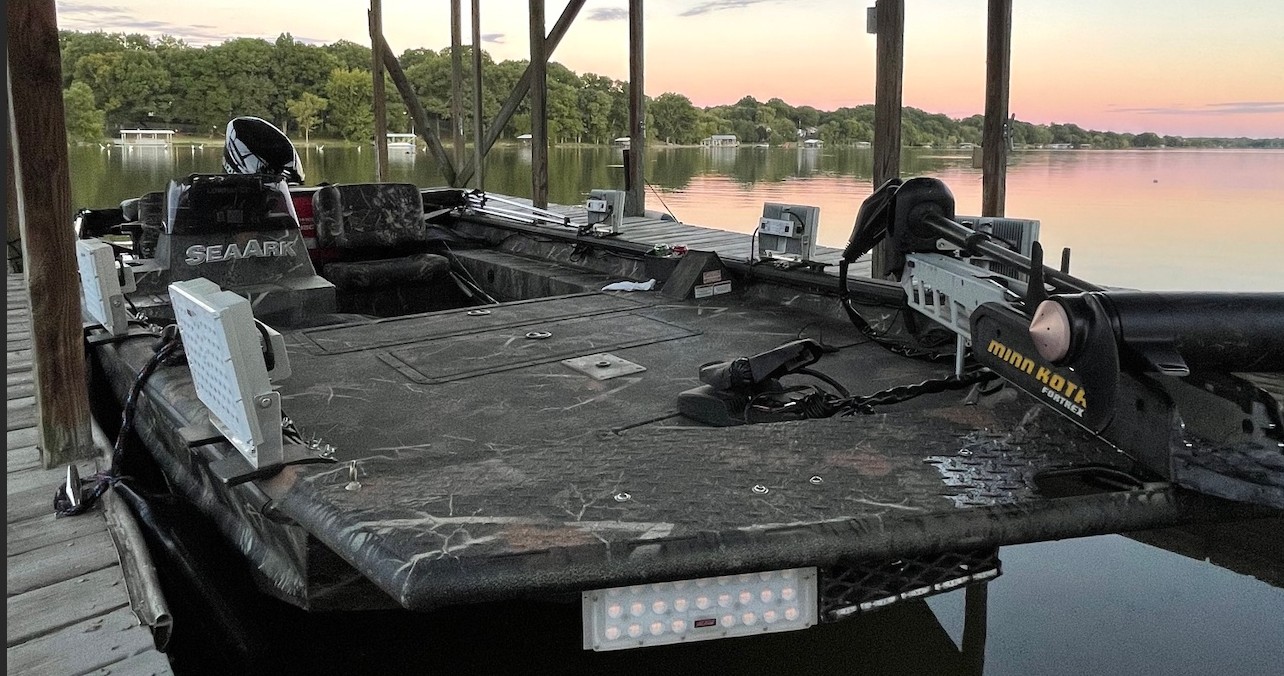
The day begins before most of Nashville has stirred—just you, a 22-foot Avid Angler, and a low ribbon of dock-side fog peeling off Percy Priest Lake. The first cast cracks like a punctuation mark against a quiet that feels almost guilty for being so generous. Around you, tree-lined coves hold their breath; the water, glassy at first light, is a palette of pewter and pale blue that the rising sun carefully warms. When the rod bends, it’s exactly the kind of immediate, physical answer to patience that keeps anglers coming back. Hybrid and striped bass tug with purpose: hard, sudden, and insistent. It’s not just catching a fish. It’s being handed a short, bright story that you get to tell for the rest of the day.

Percy Priest Lake, a 14,200-acre reservoir shaped by the US Army Corps of Engineers when the J. Percy Priest Dam closed the Stones River in the late 1960s, feels improbably immediate given its proximity—just a short drive—from downtown Nashville. The lake’s broad bays, submerged channel breaks, and long wing-dams create structure that stripers love. Combine that geology with warm seasonal baitfish migrations and you have a reliable fishery that attracts everyone from first-timers looking for a memorable half-day to competitive anglers chasing a limit.

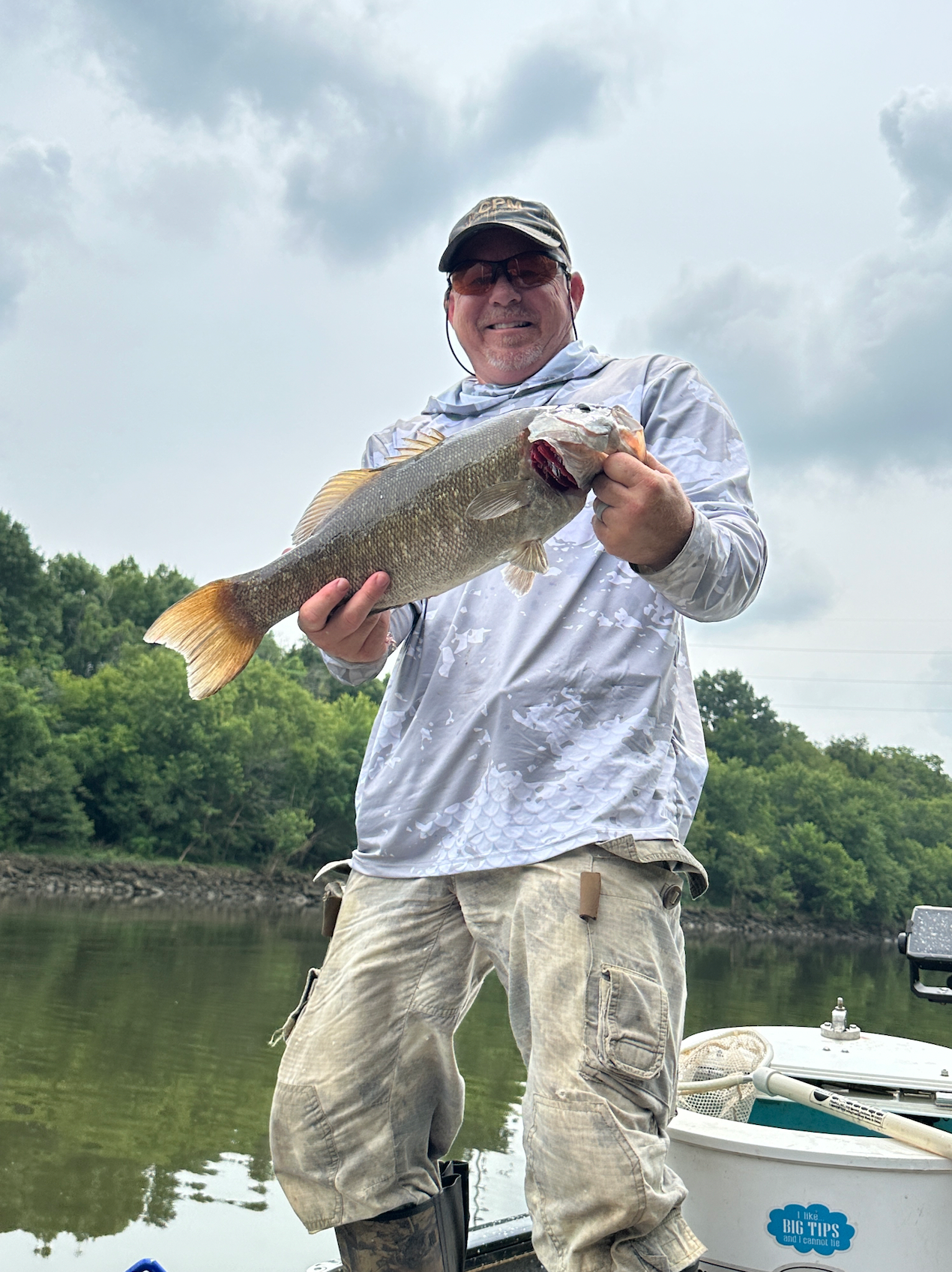
The fishing here is as adaptable as the lake itself. Your captain might set planer boards to splay out live shad and create a curtain of temptation, switch to vertical jigging when fish stack tight on an underwater ledge, or troll a line of artificial lures through a current seam where stripers ambush their meal. Each technique reads the lake differently—like decoding a dialect of water—so a good guide will change language until the fish answer. On this charter, all rods, reels, tackle, and live bait are provided. Kids under 12 fish free, which makes it an excellent option for family trips or multigenerational celebrations.

There’s a cultural rhythm to fishing around Nashville that often surprises newcomers. You can leave the infectious city energy behind in under 30 minutes, but you’ll come back with a different kind of local currency: stories, a cooler full of fillets, and the counsel of a captain who knows which coves hold fish in a late-spring thermal band. If you’re looking to add some urban flavor after a day on the water, downtown Nashville’s restaurants and breweries are an easy complement—more on that below.

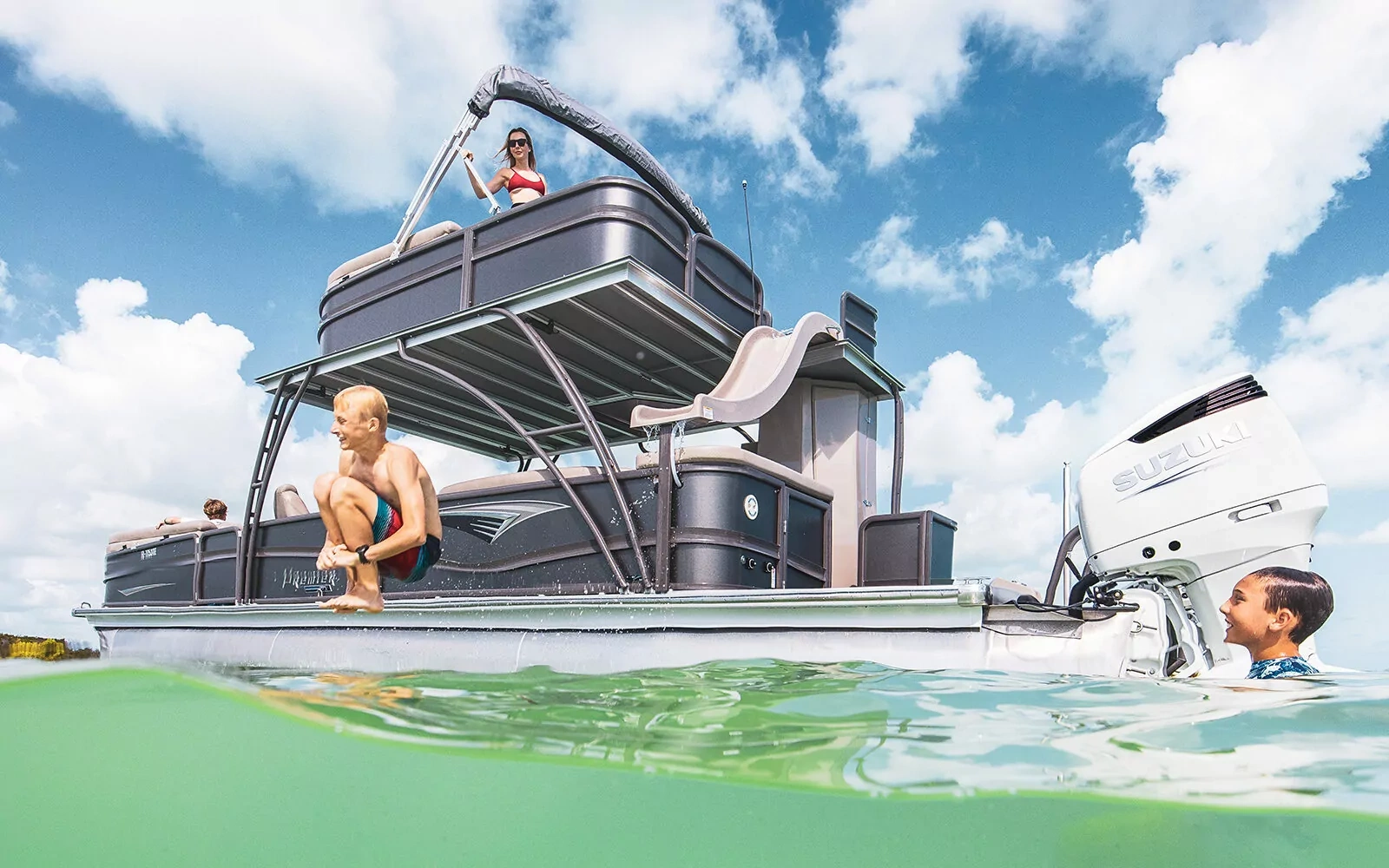
Practicality is baked into the experience. This is a four-hour outing, optimally scheduled for morning or late afternoon when stripers are most aggressive. Boats seat up to six people; larger groups can book multiple trips or reserve a pontoon with a cabin enclosure when the weather warrants it. Everyone needs a Tennessee fishing license—easy to buy online or your captain can advise in advance. Food and drink are guest-provided; the operator supplies coolers, ice, and cups. Cancellation policies are firm—bookings canceled more than 21 days out get full refunds, while weather cancellations are rescheduled via a full-value gift card.

Safety and comfort are approachable with a little planning. Start with a lightweight, windproof layer for the morning chill, polarized sunglasses to read the water, and a high-SPF sunscreen for when the sun finds you. Motion-sickness meds are smart if you’re prone to queasiness in small boats. The captain handles navigation and fish-finding; your job is to stay present, learn a few techniques, and appreciate how quickly practice can turn into payoff.

If you’re thinking about timing: spring and fall are prime for active migrations; early mornings in summer can still be productive if you chase deeper structure; winter fishing rewards anglers who don’t mind the cold and are dialed into vertical presentations. The lake’s structure—submerged ridges and points—stays the same year-round; the fish’s mood is what changes.

When the rods are stowed and the sun is high, the transition back to land is part of the charm. A short drive returns you to Nashville’s neighborhoods where you can trade fish tales for hot chicken, a cold local beer, and live music. East Nashville’s gastropubs and breweries are a favorite post-trip ritual for many anglers who want to keep the local vibe alive after their morning on the water.

If you want a focused, high-likelihood day on the water with minimal fuss and local expertise, this charter delivers. It’s a short drive from the city that feels like a day removed, and the mixture of accessible techniques, kid-friendly policies, and experienced captains makes it a great pick for both novice and practiced anglers. Bookings are easy and all-inclusive in terms of gear, so your biggest decision is when you want to be on the water and who you want to share the cooler with. For details and to reserve a date, see the operator’s local-expert listing here: Hybrid/Striped Bass Fishing Charter.

On the water, stripers give a lesson in presence; they reward curiosity and adaptation. Back on shore, Nashville gives you a soundtrack and a place to celebrate. Together, they make a full-day experience that’s both satisfyingly tactical and simply good fun.
Duration4 Hours
Plan your visit

Trail Wisdom

Get a Tennessee Fishing License

Purchase licenses online ahead of time or confirm with your captain—everyone fishing needs a valid license.

Bring Polarized Sunglasses

Polarized lenses help spot surface activity and reduce glare for safer casts and better hookups.

Pack Motion-Sickness Medication

If you’re prone to seasickness, take meds before boarding—small boats and planing speeds can trigger nausea.

Dress In Layers

Mornings are cool and afternoons warm; a lightweight windbreaker is an easy way to stay comfortable.

Local Knowledge

Hidden Gems

  • Upper Stones River coves near the dam for quiet morning sightings
  • East-side marinas with short walks to morning coffee and breakfast sandwiches

Wildlife

Great blue heron, Osprey

Conservation Note

Percy Priest is managed by the Corps and local agencies; anglers should practice size limits, use lead-free tackle where possible, and pack out all litter to protect shoreline habitats.

The lake was formed after the construction of J. Percy Priest Dam by the U.S. Army Corps of Engineers in the late 1960s, creating a regional recreational reservoir.

Seasonal Guide

spring

Best for:Migratory Striper Action, Family Outings, Mornings with Active Surface Fish
Challenges:Changeable weather, Higher boat traffic on holidays

Spring heats up the food chain and brings active feeding—expect strong early-morning bites and pleasant temperatures.

summer

Best for:Deeper Structure Fishing, Evening Trips, Extended Daylight
Challenges:Hot sun, Midday lethargy in fish

Summer requires deeper presentations and winds a careful eye for sun protection; late-afternoon windows can be productive.

fall

Best for:Peak Stripers Movement, Cooler Weather, Less Crowded Weekdays
Challenges:Shortening days, Cooler mornings

Fall offers some of the best action as baitfish concentrate and stripers feed aggressively before winter.

winter

Best for:Targeted Vertical Jigging, Solitude on the Water, Learning Technical Presentations
Challenges:Cold temps, Slower fish

Winter is quieter and tougher but can reward anglers who adjust to slower, deeper patterns.

Photographer's Notes

Shoot low from the bow to capture reflections and action; use a fast shutter (1/1000s+) for fight shots, and keep polarizers handy to reduce glare and reveal underwater structure.

What to Bring

Polarized Sunglasses

Essential

Improve visibility and protect eyes from glare for safer, more effective fishing.

Light Waterproof Jacket

Essential

Keeps you comfortable during cool mornings and unexpected spray.

High-SPF Sunscreen

Essential

Long hours on the water increase UV exposure—apply liberally and reapply.

○

Motion-Sickness Medication

Helpful for those susceptible to nausea in small boats or variable conditions.

Common Questions

Do I need a fishing license for this charter?

Yes—every angler must hold a valid Tennessee fishing license; they can be purchased online or your captain can advise after booking.

What age can children fish?

Kids under 12 fish free on this charter, but they still need to be included in the headcount and supervised by an adult.

Are rods and tackle included?

Yes—all rods, reels, bait, and tackle are provided; feel free to bring your own gear if you prefer.

How many people fit on the boat?

Standard boats seat up to six people; the operator also offers pontoon options for larger groups or colder days.

What is the cancellation policy?

Cancellations >21 days receive full refund; 8–20 days receive reschedule or gift-card option; <7 days are non-refundable; weather cancellations receive a full-value gift card.

Is catch-and-release encouraged?

Keep legal-size fish and follow Tennessee regulations; your captain can recommend which fish to keep and how to handle them ethically.

What to Pack

Polarized sunglasses, sunscreen, light waterproof jacket, motion-sickness meds — for visibility, sun protection, comfort, and nausea prevention

Did You Know

J. Percy Priest Dam closed in the late 1960s, creating Percy Priest Lake by impounding the Stones River—today it supplies flood control, water supply, and recreation for the region.

Quick Travel Tips

Nashville International Airport (BNA) is the closest airport; drive time to major marinas is 20–30 minutes; expect decent cell service near marinas but spotty coverage on open water; purchase Tennessee fishing license in advance

Local Flavor

After a morning on the water, head back toward East Nashville for craft beer at TailGate Brewing or a classic Nashville hot chicken sandwich at Hattie B's—fresh fish pairs well with a local pilsner and a porch seat.

Logistics Snapshot

Closest airport: Nashville International (BNA) / Driving: ~20–30 minutes from downtown Nashville / Cell service: reliable near marinas, spotty on open water / Permits: Tennessee fishing license required

Sustainability Note

Practice catch-and-release when appropriate, use non-lead tackle where possible, and pack out all trash to protect shoreline and aquatic habitats managed by the U.S. Army Corps of Engineers.

Topics