Charting to Charleston Light: A Sullivan’s Island Lighthouse Boat Tour

Charting to Charleston Light: A Sullivan’s Island Lighthouse Boat Tour

A private, BYOB cruise to Charleston Light—history, dolphins, and Lowcountry views from the best seat on the water.

Continue Reading

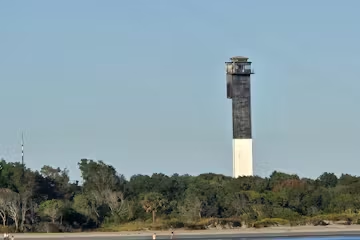
The boat slips from its lines and noses into Charleston Harbor, where the tide strums the hull like a bass note. Morning light varnishes the water, and the breeze—never content to sit still on the coast—nudges you toward the jetties as pelicans arrow past at eye level. Bottlenose dolphins surface in quick commas, writing their own punctuation mark in the calm. Ahead, the Sullivan’s Island Lighthouse rises like a modernist exclamation, a stark, triangular tower that refuses to play by the rules of quaint coastal nostalgia. This is Charleston Light, and seeing it by water is the most honest introduction you can have.

Aboard a 21-foot center console Scout with Sundog Boating Tours, the itinerary is loose by design. The captain reads the tide and wind; the harbor reads you back. On a Sullivan’s Island Lighthouse boat tour, the day is an interplay between current and curiosity—cruising the back side of the barrier island, idling along the Atlantic-facing surf zone, then slipping into quieter creeks where marsh grass sways like a million green metronomes. Bring what you like to eat or drink (BYOB is part of the charm), kick off your shoes if you want, and let the Lowcountry decide the rhythm.

The landmark you’ve come for is an outlier in lighthouse lore. Built in 1962, Charleston Light was the last major lighthouse constructed by the U.S. government. Instead of a stone cylinder, it’s a tapered triangle of steel and aluminum, painted black and white with a crisp geometry that catches the sun. It once blasted 28 million candlepower into the night—so bright it reportedly gave keepers headaches—before being dialed back. From the water, you grasp its function, not just its form: posted sentry at the edge of a restless coast, it watches sandbars roam and inlets change their minds. The Atlantic here is a sculptor with no patience for permanence.

History crowds this shoreline. Fort Moultrie sits just inland, a chain of earthwork and masonry where soldiers watched horizons through eras—Revolutionary War to World War II. In the 1820s, a young Edgar Allan Poe was stationed here, absorbing salt air and island gossip that would become the bones of The Gold-Bug. As you round the island or hold just off the beach, you see the exact setting that haunted his pages. The beach breathes and the lighthouse blinks, and you realize how a place can dare a writer to write. Even today, it dares travelers to explore—the same invitation in a different century. If literature is your compass, this Charleston boat tour to Sullivan’s Island lands you in the footnotes of American storytelling.

Charleston’s waterways also double as a living natural history museum. The marsh is a nursery for red drum and shrimp. Ospreys patrol, accusatory and efficient; egrets hunt with monk-like patience. The current never quits—it drifts, pushes, and occasionally shoves the boat where it wants things to go. Your captain times the passes, reads the rip lines, and keeps a wide berth from dolphins as they surf the tide, a respectful distance that echoes NOAA guidelines. The etiquette is part of the experience; the harbor expects guests to behave like locals.

Practicality gives the day its backbone. Sundog offers 2-, 3-, and 6-hour options, all private for up to six people. Two hours gives you the headline views—Charleston Light, the mouth of the harbor, and maybe a swing past Fort Sumter’s distant silhouette. Three hours lets you tuck behind Sullivan’s Island to find quieter waters. Six hours turns it into a Lowcountry sampler: the lighthouse, beachside swells, creeks, and likely a drift past Shem Creek’s shrimp boats. Bring a soft-sided cooler, sun protection, and non-marking shoes. Hydrate like you mean it. The afternoon sea breeze can stack a little chop along the jetties; mornings are often friendlier for families and first-timers. If the forecast whistles, trust the reschedule—it’s a coast that doesn’t bluff.

Expect to view the lighthouse from the water; landings at the structure aren’t part of the plan. That’s a feature, not a bug. The clean lines of Charleston Light read best from the sea, with the horizon as framing mat. Photographers will want a longer lens for compressing surf, birds, and beacon into one shot. Golden hour is generous here, gilding both marsh and modernist tower. If you’re building the perfect itinerary, pair the cruise with an early lunch or late dinner on Sullivan’s Island or Shem Creek, where the day’s catch tastes like a closing argument in favor of a coastal life.

Charleston rewards travelers who mix romance with reason. This Sullivan’s Island Lighthouse boat tour with Sundog Boating Tours does exactly that—stitching story to shoreline, balancing BYOB laughs with a real sense of place. You’ll come for the lighthouse and leave with a mental map of tides, sand, and history, the kind that stays useful long after your wake has disappeared.

Duration2–6 hours
Plan your visit

Trail Wisdom

Time Your Tide

Mornings often offer gentler winds and smoother water; afternoon seabreezes can add chop near the jetties.

Sun Smart on the Water

The reflection off the harbor doubles exposure—pack a wide-brim hat, polarized sunglasses, and reef-safe sunscreen.

Deck-Friendly Footwear

Wear non-marking, grippy soles to keep footing secure on a wet deck and protect the boat.

Respect Wildlife Distance

Admire dolphins and birds without chasing or feeding them; keep voices low and cameras ready.

Local Knowledge

Hidden Gems

  • Backside marsh creeks behind Station 26 for glassy, bird-rich waters on calm days
  • A slow pass near the Sullivan’s Island sandbar at slack tide when surf flattens for clean lighthouse shots

Wildlife

Bottlenose dolphins, Brown pelicans

Conservation Note

Follow no-wake zones, pack out all trash, and maintain at least 50 yards from dolphins to reduce stress on marine mammals.

Charleston Light (1962) is the last major lighthouse built by the U.S. government, standing watch near Fort Moultrie—where a young Edgar Allan Poe served in the 1820s.

Seasonal Guide

spring

Best for:Mild temperatures, Active wildlife
Challenges:Breezy afternoons, Pollen for allergy sufferers

Temperatures are comfortable and the marsh turns vivid; mornings are calm and sightings are frequent.

summer

Best for:Warm water, Long daylight
Challenges:High heat and humidity, Pop-up storms

Plan early or late trips to beat heat and afternoon thunderheads; bring extra water and sun protection.

fall

Best for:Clear skies, Stable weather
Challenges:Occasional tropical systems, Shortening days

Some of the year’s smoothest conditions with crisp light—ideal for photography and longer cruises.

winter

Best for:Quiet waterways, Crisp visibility
Challenges:Cool winds, Fewer departure windows

Bundle up; clear, low-angle light and sparse crowds make for peaceful lighthouse viewing.

Photographer's Notes

Golden hour from the harbor side throws even light on Charleston Light’s black-and-white faces. Use a polarizer to tame glare and deepen skies; switch to a 70–200mm lens to compress the lighthouse against surf or seabirds. Keep shutter speeds high (1/1000s) when the boat is moving, and brace elbows on the gunwale to steady the shot.

What to Bring

Polarized Sunglasses

Essential

Cuts surface glare to spot dolphins, sandbars, and detail in the lighthouse façade.

○

Lightweight Windbreaker

Blocks the harbor breeze during runs between the jetties and creeks.

Soft-Sided Cooler

Essential

Keeps BYOB drinks and snacks cold while saving deck space.

○

Telephoto Zoom (70–200mm)

Compresses lighthouse, surf, and wildlife for sharper compositions from the boat.

Common Questions

Can we land at or climb the Sullivan’s Island Lighthouse?

No. The lighthouse is viewed from the water and is not open for climbing; the best vantage is from the boat near the shoreline.

Is the tour family-friendly?

Yes. All ages are welcome; life jackets are provided and mornings are recommended for families seeking calmer water.

What should we bring to eat or drink?

The tour is BYOB—pack a soft cooler with drinks and snacks. Glass is discouraged; cans and reusable bottles travel best.

What happens if the weather turns bad?

Coastal weather can change quickly. The captain monitors conditions and may adjust the route or reschedule to ensure safety.

Will we see dolphins?

Dolphin sightings are common but never guaranteed. The captain maintains a respectful distance to avoid disturbing wildlife.

Where do we meet the boat?

Departures are from the Charleston area; exact marina details are provided in your confirmation after booking.

What to Pack

Polarized sunglasses for glare; reef-safe sunscreen and a hat for all-day sun; soft cooler with water and snacks (BYOB allowed); light windbreaker for breezy runs between the jetties and creeks.

Did You Know

Charleston Light on Sullivan’s Island, completed in 1962, was the last major lighthouse built by the U.S. federal government and originally featured an elevator and air conditioning.

Quick Travel Tips

Book morning departures for smoother water and better wildlife viewing; use rideshare or arrive early to find marina parking; bring non-marking shoes to protect the deck; confirm departure point and weather window the evening before.

Local Flavor

Post-cruise, refuel at Poe’s Tavern on Sullivan’s Island for a nod to The Gold-Bug, or head to The Obstinate Daughter for coastal Italian with a Lowcountry accent. Prefer dockside? Shem Creek in Mount Pleasant serves sunset with your shrimp and grits—try Red’s Ice House or Water’s Edge for casual waterfront views.

Logistics Snapshot

Closest airport: Charleston International (CHS), ~20 minutes from downtown. Launch points vary around Charleston; expect a 15–25 minute drive from the historic district. Cell service is generally strong near the harbor. No permits required for guests; BYOB is allowed—use cans/reusables and pack out all trash.

Sustainability Note

This estuary is a nursery for marine life—skip single-use plastics, keep 50 yards from dolphins, idle through no-wake zones, and never toss food scraps or fishing line overboard.

Topics