The bay greets you with a salt-laced breeze that tucks under your collar and wakes up your senses. From the dock on Commercial Street, gulls ride the air like kites and bell buoys thrum a steady metronome. The boat eases off the pier, the harbor’s tide nudging your bow toward the open water as if to say, this way. Within minutes, the Portland skyline slips behind you and the islands of Casco Bay begin to introduce themselves—spruce-topped knolls, granite shoulders, working wharves. A lighthouse flashes in the mid-distance, then another. On this one-hour narrated run, the Port-City Lights Cruise turns Portland’s maritime story into a moving panorama, no hiking boots required.
Casco Bay is the kind of place that doesn’t just sit there—it participates. Currents press and release in a rhythm you feel underfoot; seals bob up to supervise the channel like curious dockmasters. The boat slips past lobster buoys that dot the surface like confetti, each one a color-coded signature of a family fishery that has fed Maine for generations. On deck, the breeze is congenial in summer and bracing the rest of the year, but the cabin is enclosed and comfortable, giving you options no matter the weather. This is a short cruise with a lot to say.
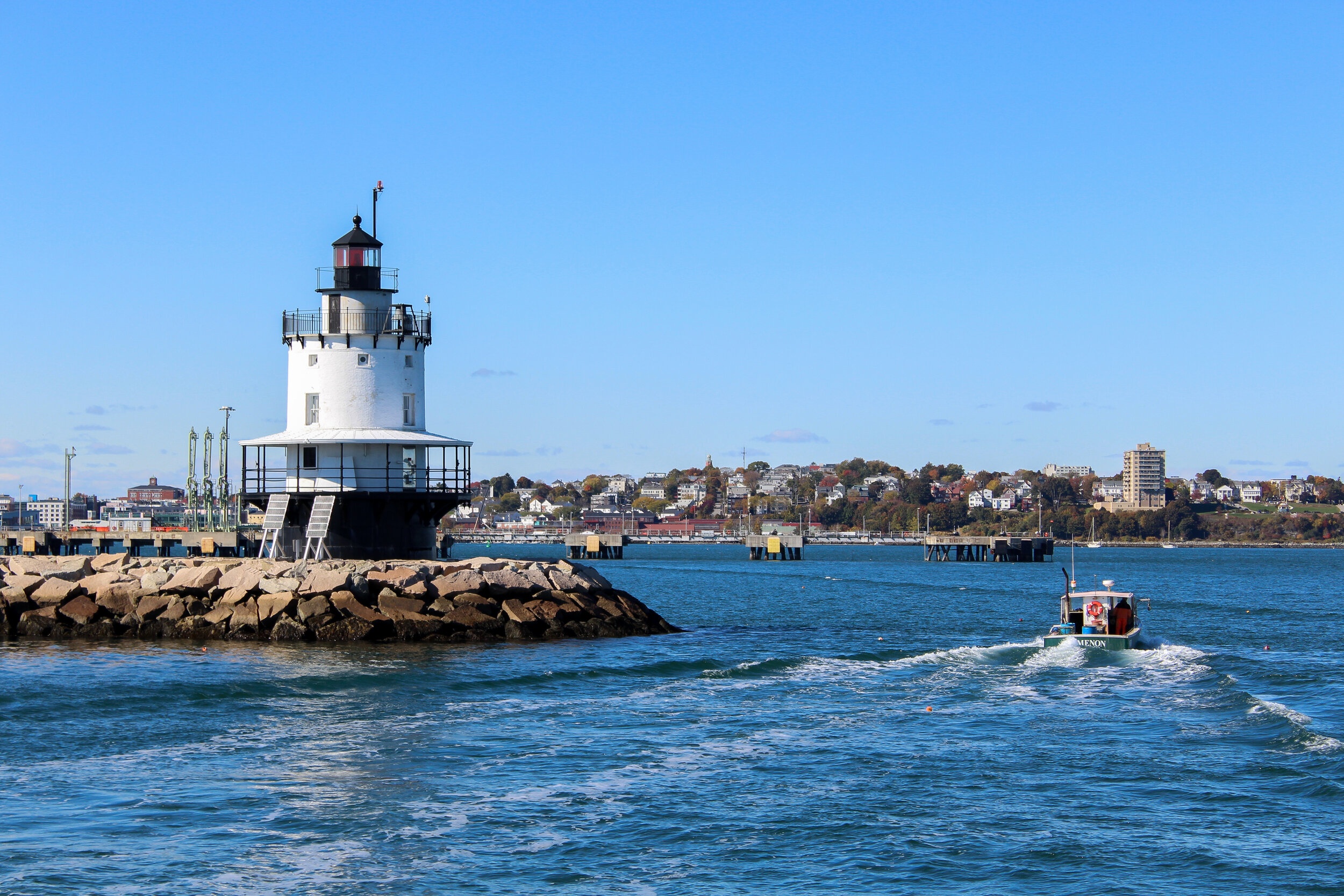
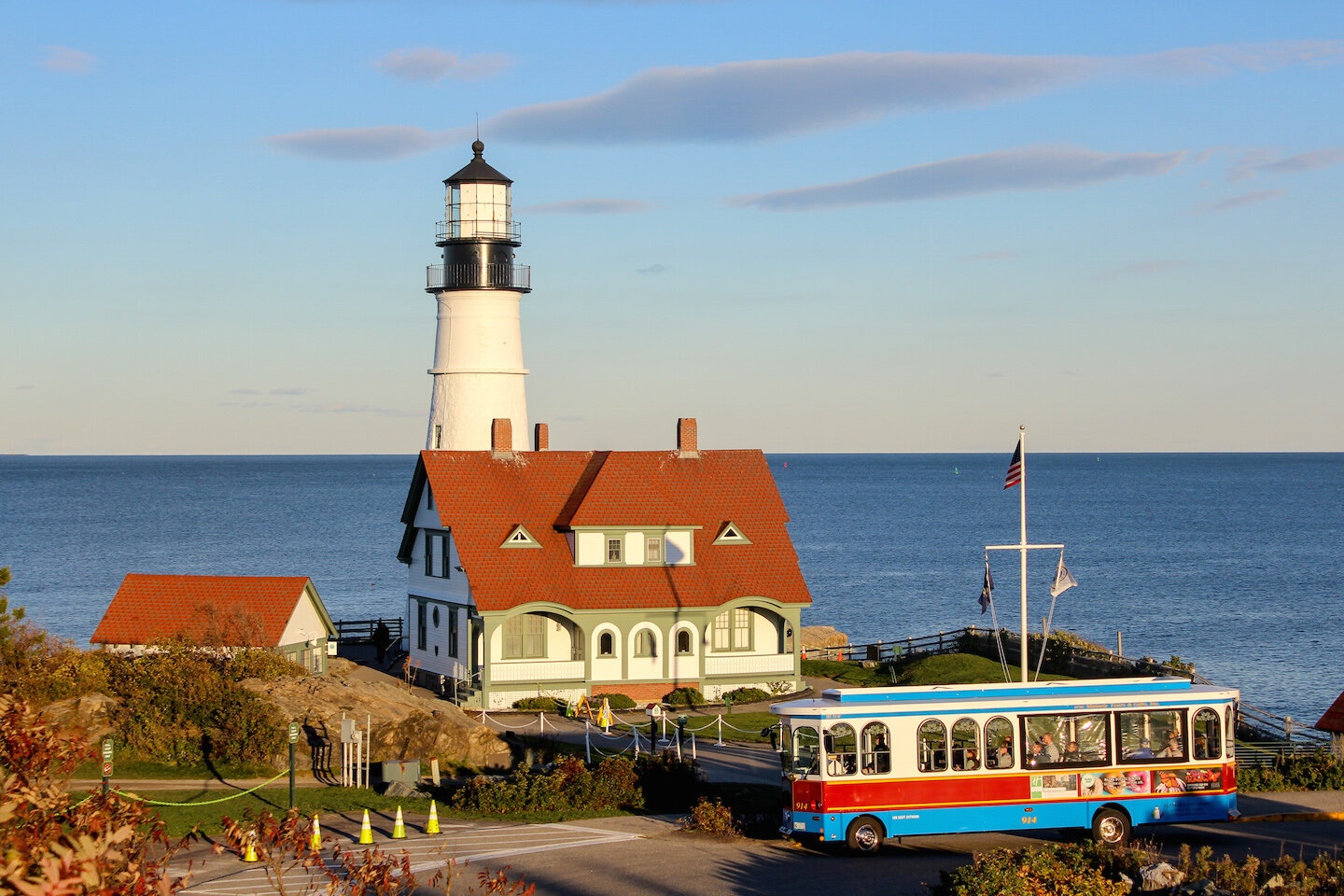
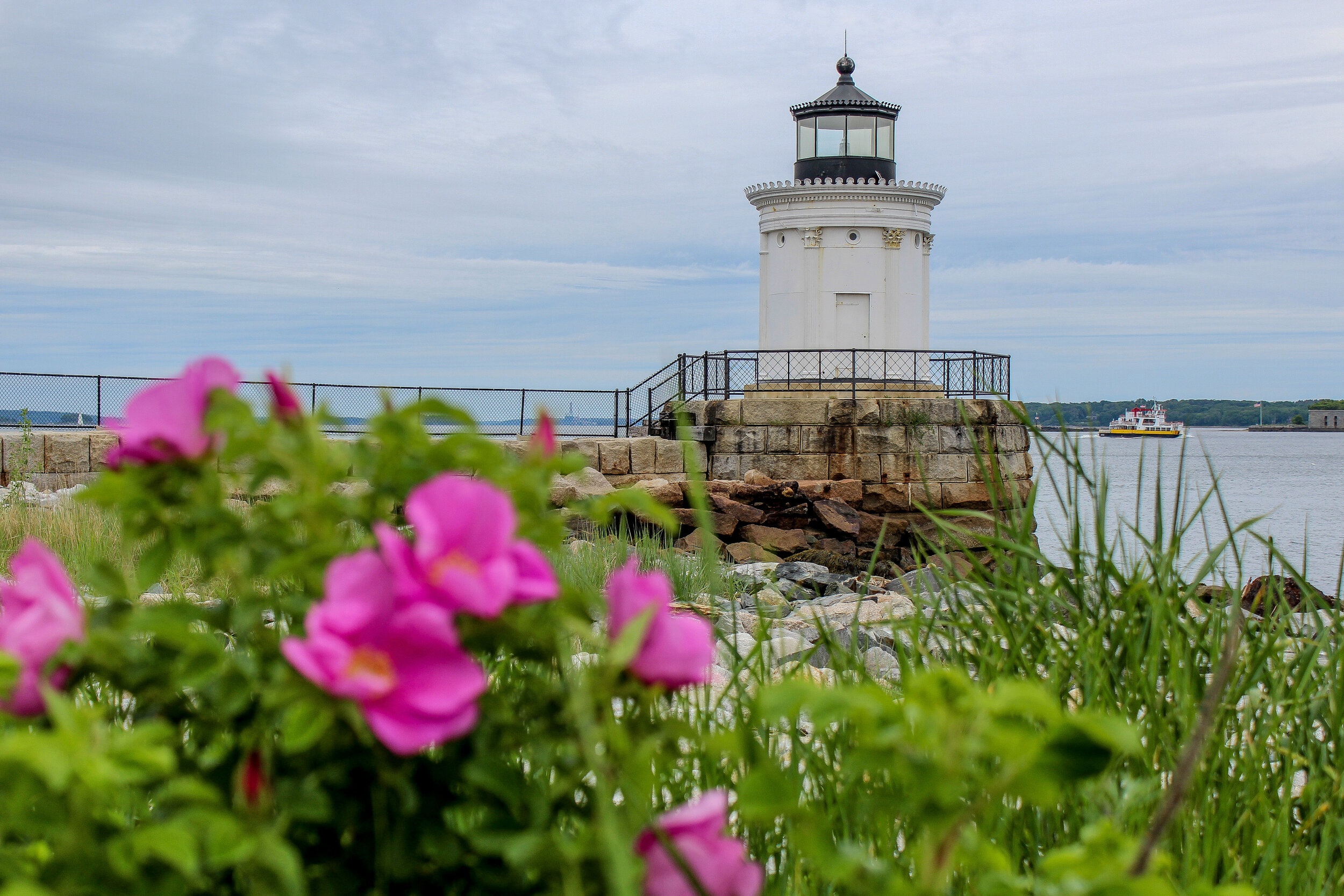
The headline act is Portland Head Light, Maine’s oldest lighthouse, first lit in 1791 by order of President George Washington. It stands at the edge of Cape Elizabeth’s Fort Williams Park with granite confidence, the archetype of a New England beacon. Your captain arcs close enough for photographs while a guide sketches the backstory—the shipwrecks that demanded a guiding flame, the keeper families that braved storms and isolation, the era when foghorns spoke a language all their own. In one hour, you can spot as many as four lighthouses, including the jaunty Portland Breakwater Light—locals call it Bug Light—and the candy-striped Spring Point Ledge Light, a squat guardian linked to shore by a granite breakwater.
History here isn’t confined to beacons. The Civil War–era Fort Gorges, built from Maine granite and set on its own tidal island, rises like a moss-framed relic from the age of cannon and sail. The tour traces the arc of Portland’s defenses, from harbor forts to stone breakwaters that domesticated wave energy and carved safe lanes for ships. Glaciers did the early carving. Casco Bay owes its character to the last Ice Age, which gouged coves, dropped erratic boulders, and left a scatter of islands so numerous that locals jokingly call them the Calendar Islands. Count them from the rail as the boat threads among inner islands where spruce forests meet ledge and eelgrass.
Wildlife cues you to look closer. Cormorants spread wet wings like cloaked performers; common eiders raft together in squadrons. On low tide, harbor seals haul out on warm rock, whiskers uptilted, while ospreys patrol the shallows with a raptor’s fixed resolve. The crew points out activity without crowding the animals, and there’s a steady current of practical knowledge—why traps are set where they are, how tides rearrange the day for every mariner, and what it takes to run a harbor when fog decides to erase the horizon. It’s a working waterfront as much as a postcard.
One of the appeals of the Casco Bay lighthouse cruise is how approachable it is. The schedule is efficient—just an hour—and runs in light rain because the boats have enclosed cabins and covered decks. Dress warmer than you think you need and wear non-slip shoes; the water likes to remind you who’s boss. Motion is gentle inside the bay, but if you’re sensitive, take precautions. Bring binoculars if you have them; a telephoto lens if you don’t mind juggling gear. The narration is clear without being scripted, and the pace is dialed to keep your attention: a lighthouse slide-by, a fort cameo, a wildlife interlude. Then another beacon appears, as if the bay were laying breadcrumbs of light.
Access matters, and this cruise works for a broad spectrum of travelers. Canes and walkers are fine; manual wheelchairs can often be accommodated with assistance, though call ahead to confirm. Kids get the thrill of boats and birds without an endurance test, and dogs are welcome if they’re leashed and well-behaved. It’s an easy add-on to a day exploring Portland’s Old Port—coffee beforehand, oysters after. If you have time, pair the cruise with a stroll at Bug Light Park for a ground-level view of a tiny lighthouse with big personality.
The surprise is how much story can fit into sixty minutes. Lighthouses become characters—steadfast, slightly stern, always watchful. The current nudges the hull and the boat answers, a conversation older than the city itself. It’s the sort of outing that resets your internal compass: you arrive thinking of snapshots and leave thinking of signals—of the ways we mark danger and point the way home.
If you’re plotting a broader trip to Maine’s coast, this is your prologue. Take the cruise early in your visit for context, then let the rest of Portland bloom around the details you learned on the water. Or treat it as a golden-hour finale, when the bay’s surface turns metallic and the lights come on one by one. However you time it, book ahead, arrive thirty minutes early, and keep an eye on the forecast. The bay is generous, but it appreciates your attention. Learn more or reserve your spot with the Port-City Lights Cruise—a short, spirited passage through Portland’s living maritime museum.