Morning fog hovers over Portland’s working waterfront like a curtain waiting to lift. Gulls heckle the docks. Ropes hum against weathered pilings. Then the engine turns over and the bay—ever impatient—nudges the boat into motion. You tuck into the rail, spray peppering your jacket, and watch Casco Bay breathe. The water exhales cold, briny air and dares you to lean closer. You do. That’s the point of the Portland Lobstering Excursion: to get close enough to feel the pulse of Maine’s maritime life, then put your hands on it.
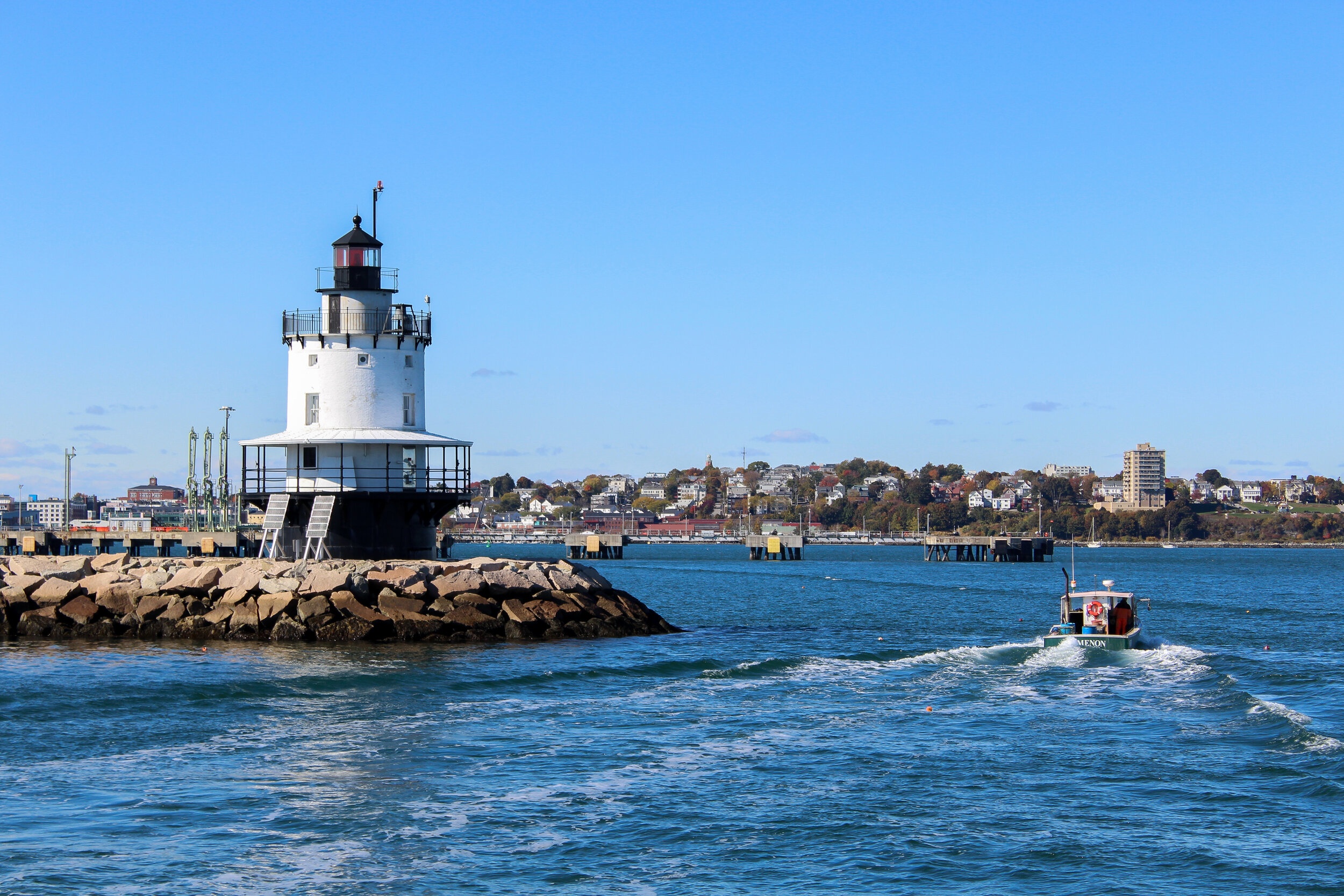
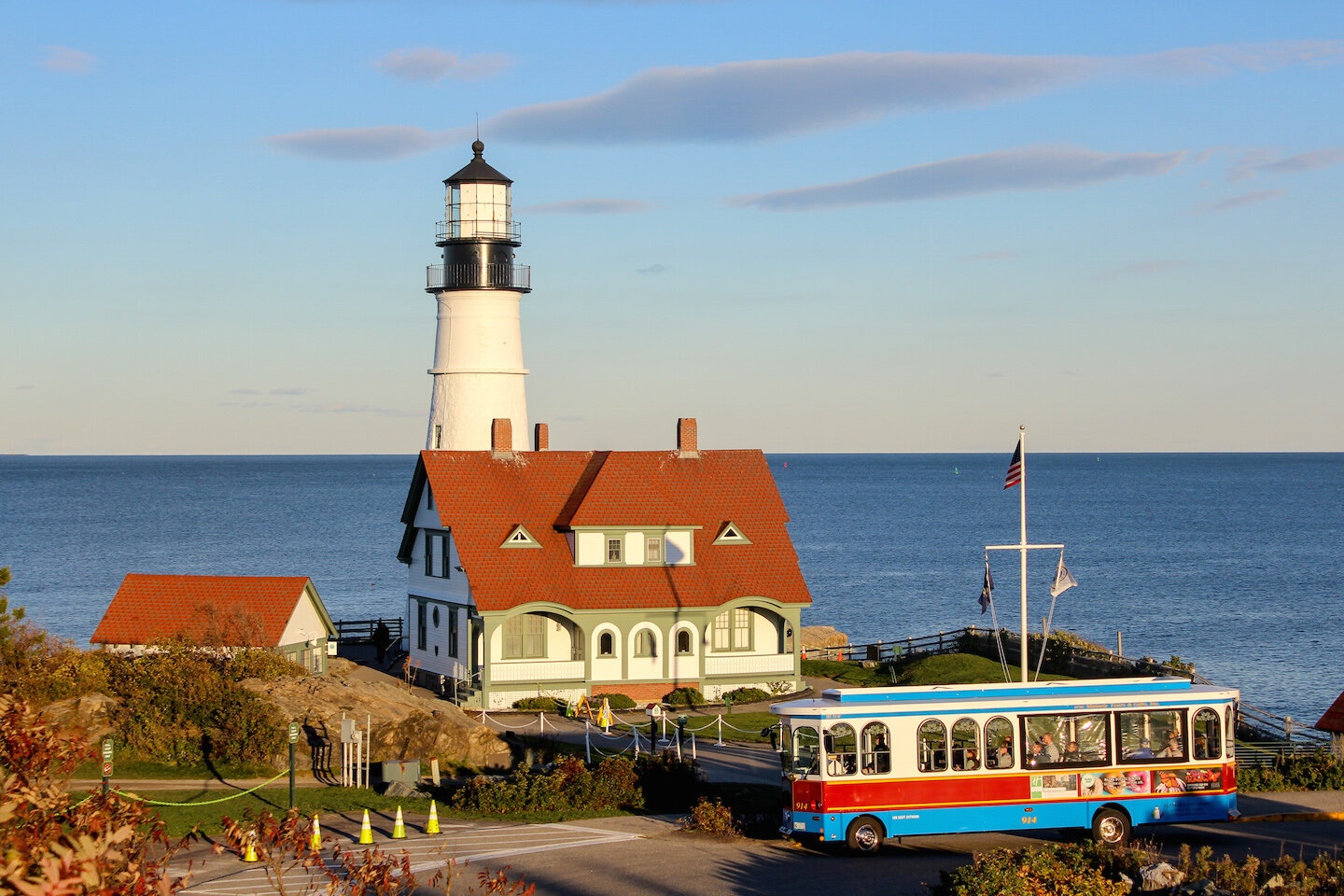
Within minutes, the skyline slips astern and the granite-framed islands step forward. Lighthouses—Bug Light’s candy-cane charm, Spring Point Ledge Light’s stout iron shoulders, and the grand Portland Head Light—stand like veteran sentinels. Fort Gorges, a Civil War–era granite fort marooned in shallow water, watches as your crew coils line and readies the first trap. The winch groans. The buoy line tightens. Casco Bay, never shy, pushes a small chop under the hull as if urging the day to hurry up and show its cards.
What rises from the green is the heart of an economy and a culture. The trap breaks the surface, barnacled and bristling with kelp. This is where the adventure goes from sightseeing to sea-doing. With guidance from the crew, you slide bait into the pocket and learn the ritual that has hauled in Maine’s livelihood for generations. You measure any lobster the ocean offers—undersized and egg-bearing females go back, a living promise for tomorrow. Keepers, if they’re legal, tap the tank. The ethics and efficiency of the fishery reveal themselves quickly: V-notches to identify breeding females, escape vents for juveniles, strict gauge sizes that allow the stock to thrive. Sustainable practice isn’t a brochure here—it’s the code.
The rhythm of the 80–90 minute outing matches the water: pull, sort, re-bait, reset; then loosen your shoulders as the boat jogs to a new string near the Seal Rocks, where whiskered heads pop up like curious neighbors. Harbor seals squint and study you. Cormorants knife the surface and vanish. Ospreys pinwheel above the islands, turning the wind into geometry. Casco Bay’s fabled “Calendar Islands” spread out—a poetic nickname for a maze of 200-plus islets shaped by retreating ice and time. The coastline wears its scars with pride.
History shadows the route. Lighthouses that once kept wooden schooners off the ledges now bookend your photos, and forts meant for cannon fire gossip with gulls. The Wabanaki paddled these waters in birchbark canoes long before traps, steamships, and container vessels. Portland grew because this natural harbor never stopped giving—timber, fish, stone, and the safe passage that made trade possible. Today, lobstering anchors identity and community. Joining a working boat—even for an hour and change—drops you into the current of that story.
This is a short, satisfying adventure with no fluff. It’s sea air in your lungs and wet rope in your hands. You’ll come away with a better understanding of what it takes to work the tides—and maybe with dinner. After the last trap is hauled, you can purchase a lobster from the onboard tank at a wholesale “boat price,” then carry it steps away to Portland Lobster Company to be cooked with corn, slaw, and butter for a modest fee per lobster. It’s a classic Old Port two-step: learn it, then taste it.
Practical realities keep the romantic in check. The boat is mostly open to the elements. It can run 10–15 degrees cooler on the bay than onshore, and the deck is a mess by design—salt, seaweed, grit. Dress for it: synthetic layers, a windproof shell, and non-slip shoes. In May and October, add a warm hat and gloves. The excursion runs rain or shine; if thunderstorms threaten, the crew will cancel or return to port and you’ll be refunded if traps aren’t pulled. Restrooms are limited or absent depending on the vessel; plan accordingly and hit a shore-side bathroom beforehand. Seasickness is rare on this short, near-shore route, but if you’re sensitive, arrive well-hydrated and consider preventive measures.
Families love this outing for its pace and participation. Kids learn fast: how to tell a male from a female, why some lobsters earn a notch and a free pass, what it means to manage a resource with the future in mind. Photographers get an evolving stage—steel-blue water one minute, sun-sparked ripples the next, a lighthouse rolling into frame as the boat changes course. Travelers on tight schedules appreciate how much is packed into 80–90 minutes without chewing up a day.
And there’s the neighborhood itself. Portland’s Old Port is a place where rope coils next to craft coffee, and bait barrels share the block with bakeries. Before or after your trip, walk the cobblestones, chase a cinnamon roll at Standard Baking, or detour to the Eastern Promenade for a wide-angle view of where you just were. If time allows, ferry to Peaks Island and rent bikes; the bay will look back at you in new light.
If you’re choosing your sea time, shoulder season can be a sweet spot. In late spring and early fall, the air is crisp and the light goes long—good for photos and quieter docks. Summer delivers the warmest weather and lively piers. Winter? The fishery works year-round, but tour schedules thin and the wind can bite; check availability.
To plan, start with the official listing for the Portland Lobstering Excursion, which breaks down departure times and what to bring. If you’re searching broadly for a Casco Bay lobster boat tour or hoping for a truly hands-on Maine lobsterman experience, this is the one that keeps you in the story—gloves on, bait in, line tight—while the bay does what it does best: keep you honest and wide-eyed.