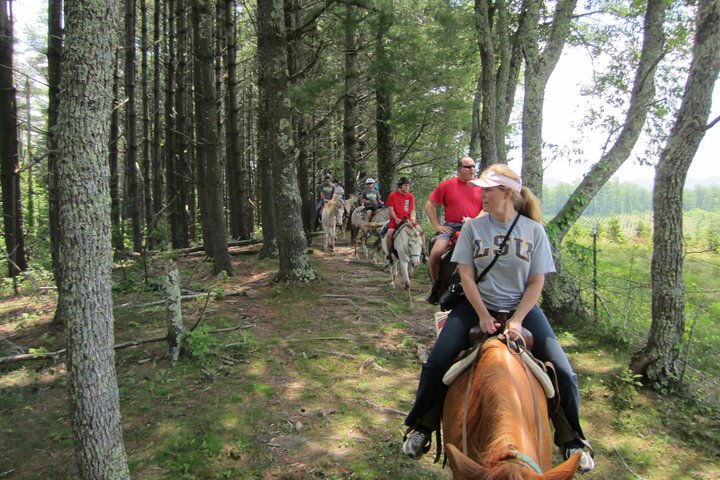
Morning slides over the Blue Ridge in slow, honeyed layers. Asheville wakes with the smell of fresh-roasted coffee and wet stone, while the mountains stretch like they’re ready for a long wander. Your driver points toward a low bank of clouds drifting over the ridgeline—fog with a plan—and asks one question that sets the tone for the day: mountains, waterfalls, small towns, or a little of everything? That’s the promise of a customizable five-hour loop through Western North Carolina—the landscape becomes a menu, and your crew picks the courses.
On the Personalized Day Trip, 5 hours, the itinerary bends to your curiosity. Want a quick taste of the Blue Ridge Parkway’s high-country drama? The road coils along knife-edge ridges to pullouts where the horizon stacks into blue-on-blue layers. Prefer a softer stride? The forests of Pisgah National Forest breathe cool air over easy waterfall paths, where the river dares you with pools you could wade into and the current nudges ankles, always pressing forward. If you’re more into culture than cardio, small-town main streets line up bookstores and quilt shops beside farm stands; you’ll find cider in mason jars, a museum tucked into a brick depot, maybe even a local festival in full swing.
This experience thrives on flexibility. Once you book your Personalized Day Trip, 5 hours, your guide reaches out to align the day with your pace and interests. It might be a waterfall sampler with an overlook finale and a brewery stop; a vineyard visit after a historical site; or a trifecta of scenic overlook, mountain town, and farm stand. The loop hums with possibilities because this corner of North Carolina is dense with them—thousands of miles of forest roads, a national park bookend, and the country’s most-visited scenic byway threading it all together.
History rides shotgun wherever you go. The Blue Ridge Parkway, stitched together in the 1930s as a New Deal project, was designed for unhurried travel: curves invite you to slow down, to notice how ridges rise like the backs of sleeping giants, how the light slides between rhododendron thickets. Towns like Black Mountain and Waynesville kept their character while evolving for travelers—artist studios, Appalachian folk music venues, and old-school soda fountains serve as reminders that heritage doesn’t have to live in a museum. Scratch beneath the surface and you’ll find older stories: Cherokee homelands, chestnut forests that once shaded the hills, and the resilient communities that adapted when the mountains asked them to.
Geology gets a say too. These are some of the oldest mountains on earth, weathered but not tired. Granite domes flex their shoulders above river valleys; quartz pebbles flash in creek beds like winks from deep time. Water is the region’s quiet architect, carving bowls beneath falls, smoothing boulders, urging moss to knit itself into soft carpets. On an easy forest path, you’ll feel the ground’s spring—cushioning from centuries of leaf litter—and hear how every stream speaks a different dialect, from whispery seeps to confident cascades.
Culture here is hands-on. If your route swings through an orchard or farm, taste what the elevation and cool nights do to apples and greens. If it’s a vineyards-and-views afternoon, the mountain sun and fog—those moody artists—give the grapes a little edge. Asheville, of course, wears its love of craft on its sleeve: breweries experiment, bakeries celebrate sourdough like it’s an heirloom, and chefs pull Appalachian ingredients into forward-thinking plates. The best part of this personalized tour is that you can stitch these experiences together at your own tempo—and adjust on the fly. See a roadside pull-off with a view too good to ignore? Stop. Hear music drifting from a gazebo downtown? Park and listen.
Logistically, this is straightforward. It’s a five-hour private outing (age 12+), priced from $325 for up to six people—best shared with friends or family who like the same kind of detours. The guide handles the scaffolding so you can focus on the mountain moments. After booking via this local expert listing, you’ll trade notes to tailor the plan—length of hikes, number of stops, how much town time versus trail time, whether you’d rather sip a flight at a brewery or sample a vineyard’s porch view. No two days look the same, and that’s the point.
The practical edge matters. Elevation and weather swing around here; a summer thunderstorm can roll in on a bass drum of thunder and be gone in 20 minutes, leaving the forest rinsed and luminous. Fall weekends bring color—and crowds—so timing your overlooks early or late can buy you quiet. Spring wildflowers paint the understory, but trails can run wet; take shoes that don’t mind mud. Winter is crisp and generous with horizon lines; leafless trees step aside and the ridges show off their true shapes. If you’ve ever wanted to understand the Blue Ridge’s moods without committing to a hardcore trek, this five-hour sampler is the sweet spot—enough time to feel the range, not so long you need to worry about endurance.
More than a scenic drive, this is a conversation with place. The Parkway teases out the ridges; the creeks push you to pause; the towns invite you in for a quick hello. And you, in turn, set the cadence. By the time you roll back into Asheville, the mountains have told you a few of their secrets, and you’ll have earned a post-adventure bite in town—maybe something smoky and slow-cooked, maybe a pastry that tastes like the baker woke at 3 a.m. so your afternoon would be better. If you’re already planning the next variation—a winery swapped for a museum, a bookstore for a swimming hole—you’ve understood the magic. This is a region built for return visits and custom days. Start with one, then remix. When the mountains are this generous, you follow their lead.
Ready to shape your own route? Book the Personalized Day Trip, 5 hours and let the Blue Ridge set the scene while you choose the story beats.