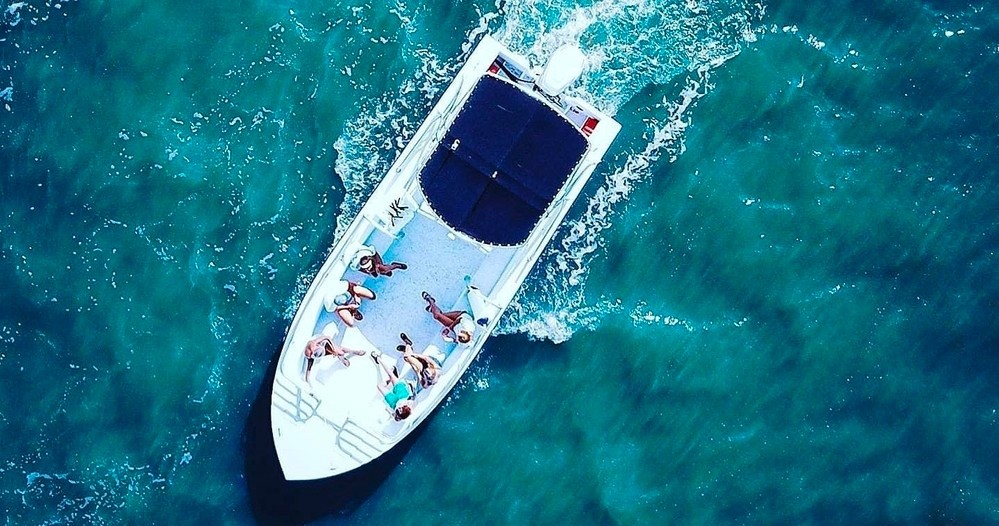
The marsh wakes up first. A silver tide folds into Broad Creek, pushing fiddler crabs up the banks and brushing the spartina like a hand through tall grass. You step onto the dock at Broad Creek Marina, where pelicans patrol like old captains and the breeze carries that clean, salt-tanged promise of a day well spent. A private skiff noses the pier—shade top stretched, coolers stocked—and your USCG-licensed captain grins like someone who knows where the dolphins like to play and where the sandbars sleep at low tide. Four hours. Your day, your mix: dolphins, sharks, shells.
Hilton Head’s waterways are generous, and today they’re yours. Minutes after leaving the marina, the creek widens, and the boat softens to a respectful idle. The surface breaks—the crease of a fin, then another. Bottlenose dolphins slide forward like the tide itself, curious, deliberate, and entirely at home. When they exhale, the breath sounds like a soft laugh. The Lowcountry has a way of inviting you in; here, even the current seems to dare you to pay attention. Watching wild dolphins in their own rhythm feels less like a spectacle and more like a conversation. This is why people come—to see the island from the water, to let the marsh write their afternoon.
One of the special quirks of this coast is behavior you won’t see in many places: strand feeding. In certain tidal pockets around Hilton Head, dolphins work together to push baitfish onto the mud, briefly sliding up after them before wriggling back into the channel. You may or may not witness it on any given outing—no guarantees with wild animals—but knowing it happens here gives every bend in the creek a bit of electricity. When conditions line up, the marsh becomes theater.
Your captain keeps the pace light, letting the day flex between moments. Want to try shark fishing? Easy. The gear appears, rods stowed and ready. You learn the basics fast—how to set a circle hook, how to hold a rod so the fish, not you, does the work. Bonnetheads—the gentle, dinner-plate cousins of hammerheads—cruise these flats, and blacktips ghost the edges of deeper water. The first tap is timid; the second pulls the line like a dare. When the drag whispers, you’re in it, knuckles bright and eyes wide. These are catch-and-release sessions, measured in heartbeats and stories, with the captain handling the fish quickly and cleanly before they slide back into the green.
Some days, the shelling steals the show. The boat idles onto a quiet sandbar or a hush of shoreline, where the beach keeps its secrets close and the tide decides how many to share. Whelk spirals, lettered olives, augers with fine ridges—the sea leaves a signature along the wrack line. In a half hour of slow walking you learn to read it: how the heavier shells linger in the eddies, how fresh tide lines gleam with possibility. The island’s edges are always changing; sand moves, water speaks, and you get to listen.
The setting is classic Lowcountry—marsh braided with creeks, the distant stitch of live oaks and palmettos, osprey shouldering the sky. Beneath it runs a deeper current of history and culture. You’re boating within the Gullah Geechee Corridor, where West African traditions informed language, foodways, and craftsmanship that still define this region. The very engine of the place is the tide: six to eight feet of rise and fall that feeds a salt marsh so productive it’s often called a nursery for the coast. That constant breathing shapes everything—from dolphin feeding patterns to where the best shelling shows up on a given day.
Practicalities here are refreshingly simple. This is a private charter for up to six guests, tailored to your crew’s interests—go all dolphins, all shells, all fishing, or mix them as you like. The captain provides the essentials: life jackets, safety equipment, licenses, fuel, and what’s affectionately called the "Better Boating Package"—drinks, light snacks, sunblock, bug spray, and rain jackets as needed. You walk on, step under the shade, and let the island do the rest. If you prefer to plan ahead, learn more and connect with the local operator via this dolphin tour on Hilton Head resource.
It’s easy to read too much into a perfect day on the water, but Hilton Head asks so little and gives so much: clean horizons, forgiving chop, and the way the light works overtime across the creek. If you want a kid to fall in love with the ocean, show them a dolphin surfacing at eye level. If you want a grandparent to feel like a kid again, hand them a rod when the tip starts to wobble. If you want an afternoon that belongs entirely to your family, put a private boat between marsh grass and sky and let it roll.
What to know before you go: wear sun protection and polarized sunglasses—they cut glare and turn the creek into a window. Apply sunscreen before boarding. Footwear that handles sand and wet decks makes life easier. Bring a small daypack for shells and an extra layer for the ride back; the air cools quickly with speed. Check the forecast but don’t overthink it—showers pass, and captains here read clouds like maps. Shelling improves around lower tides; dolphin viewing plays all day, especially when boat traffic is light. And if anyone in your group is prone to motion sensitivity, plan a morning outing when winds are calmer inside Broad Creek.
End the day the way Lowcountry days are meant to end: with a little salt on your skin, a camera roll full of fins and sunlit smiles, and a story that doesn’t need embellishing. The island will handle that part for you—the current nudging you forward, the marsh waving you back for more.