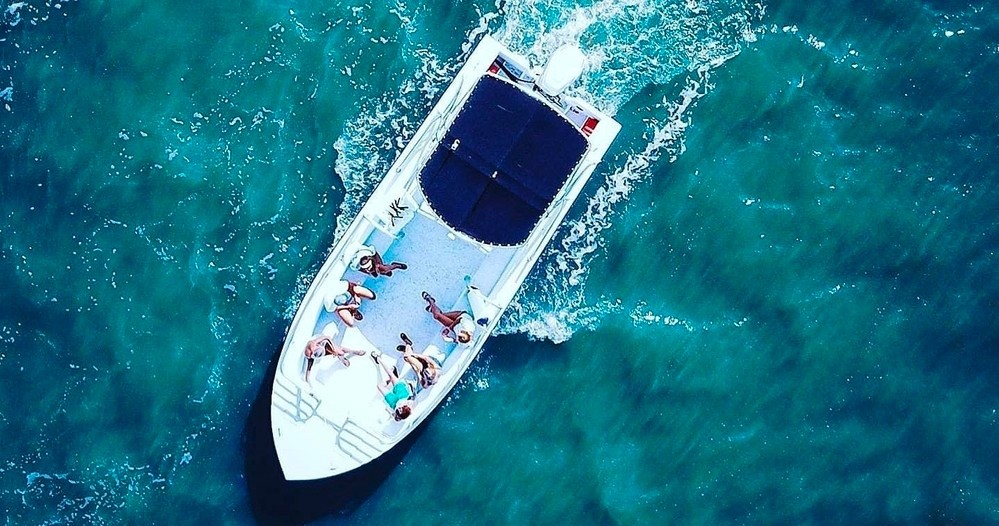
The marsh wakes slowly, yawning out a tide that smells of salt and pluff mud while spartina grass combs the breeze like green piano strings. The 21-foot Parker noses off the dock and into Broad Creek, its hull a quiet heartbeat against the morning. Great egrets patrol the edges. A dolphin surfaces, exhales, and vanishes as if winking you into the day. The captain nudges the throttle, and the creek unfurls—a sinuous water road into the Lowcountry’s working soul. Here, the tide calls the shots. It dares you to read its moods, to find the seams where baitfish funnel and predators wait. That’s the game with Island Head Inshore Fishing: slip into the marsh, listen to the water, and match wits with redfish, speckled trout, flounder, and even small sharks that cruise these tea-colored channels. It’s accessible, exciting, and surprisingly intimate—an adventure where your casting distance matters more than any measure of bravado.
On an Island Head charter, you step into a focused version of the Lowcountry. The gear is ready, rigs dialed, and the hunt begins within minutes of leaving the dock. One moment you’re drifting past oyster mounds that climb like knuckles from the mud; the next, you’re easing into a flat where redfish tail like copper coins turning in shallow water. The current has personality here. It pushes, it whispers, it argues, and then it opens a door—a slick line along a grass edge, a ruffle of nervous bait ticked by speckled trout. The trick is to cast ahead of where the current wants to take your lure. Let the flow do the work while you keep the line tight and the rod ready.
Hilton Head’s estuary network is a living machine. Twice a day, tides flush the marsh, feeding everything from blue crabs to porpoising dolphins. That nutrient-rich churn drives a year-round fishery. In cool months, redfish school on the flats and cluster around structure; in spring, trout slide back onto points and creek mouths; summer brings life to every channel—sharks patrolling, ladyfish aerobatics, and flounder ambushes along the edges. Fall is the sweet spot for many anglers, when bait is abundant and the water turns gin-clear after summer’s bloom. Regardless of season, Island Head adapts. Whether you book a short three-hour primer or stretch into a six- or eight-hour push, the crew sizes up the tides and picks a program: popping corks over oysters, jig heads crawling the bottom, live bait slipping under the grass. No experience is necessary, just a willingness to learn and a good pair of polarized sunglasses.
Beyond the fish, the story here is layered. Hilton Head sits within the Gullah-Geechee Cultural Heritage Corridor—a mosaic of history, language, and traditions shaped by West African descendants who stewarded this coast long before resorts reframed the shoreline. The marsh you glide across is as much a cultural landmark as a natural one. Its creeks once ferried rice, oysters, and story. Today, the same waters give you a front-row seat to bottlenose dolphins practicing strand-feeding, a hunting technique unique to the Lowcountry where they work together to push fish onto exposed banks. Keep your camera ready; the marsh likes to perform without notice.
Geology writes the rules here too. Barrier islands, fickle sandbars, and those vast, breathing marshes create habitat complexity that keeps anglers guessing in the best way. Oyster rakes filter the water and build their own fortresses—fish magnets at every stage of the tide. Spartina glows blonde in late afternoon, and as the sun drops, the world seems to inhale, settling into a twilight calm that makes a speck’s topwater strike feel like a firecracker in your hands.
Part of the charm of an Island Head charter is the clean, practical ease of it: rods, reels, tackle, bait, ice, waters, and all licenses are included. Fish are cleaned and bagged if regulations allow and you want to take dinner home. The team brings regional savvy and a measured approach—quick to celebrate your first cast, but equally ready to talk conservation and the importance of releasing overslot fish to keep the fishery strong. It’s a balanced experience: a primer for newcomers, refined enough for old hands chasing a personal-best red.
To time your trip well, think like a tide chart. Early mornings beat summer heat and boat traffic; late afternoons can be magic when the wind lays down. Fall and early winter bring excellent clarity and cooperative fish; spring sees strong trout action around moving water; summer shines for family trips and mixed-bag fun. However you slice it, choosing a charter length that matches your goals—three to four hours for a family introduction, five to six for a focused session—is smart. For more details or to reserve a spot, tap into the local expertise at Island Head via this guide to Island Head Inshore Fishing. You’ll find a helpful overview of inshore fishing on Hilton Head and what to expect.
What stands out most is the rhythm. The day breathes with the water’s lift. Currents shoulder through oyster breaks; bait showers on the surface; a cork hesitates, then disappears. The rod bends and chatter from the marsh quiets into concentration. You lift, the line sings, and a redfish thumps back in honest disagreement. Here, in the wide Lowcountry light, you are part of the argument—the tide making its case, the fish pushing back, and you answering with a cast. And that’s the real reason to go: not to conquer a place, but to join it, for a morning or an afternoon, and come away with a story that smells faintly of salt and victory.
If you’re ready to chase tails on Broad Creek, let the Island Head crew put you on the bite. They know when the current coyly holds back and when it shouts. Bring your sun sense, your curiosity, and your patience. The marsh will do the rest. Start planning here with Island Head Inshore Fishing.