The air at dawn in Elkmont carries the smell of damp leaves and old timber, a kind of timeworn perfume that makes the ruined porches and tilted chimneys feel less like relics and more like residents taking a long sleep. A mist rolls off the Little River and threads through the broken latticework of the Appalachian Clubhouses, making the peeling paint and sagging roofs glow with a hard, soft light. It is quiet enough that your boots on the old boardwalk sound like punctuation, and close enough to Gatlinburg that the modern world feels an island away.
Elkmont Ghost Town sits in a hollow carved by industry and leisure. In the late 19th and early 20th centuries the Little River Lumber Company set up operations in the valley, felling old-growth timber and building a narrow-gauge railroad to carry logs out of the gorge. Around the same time, Knoxville elites established summer resort communities here, erecting seasonal cottages and a grand clubhouse where an upper-class summer culture gathered under the rhododendron canopy. When the Smokies became a national park in the 1930s, Elkmont began its slow slide toward ruin; some structures were preserved, others left to the forest. Today the ghost town is an uncanny overlay of logging infrastructure and faded leisure, where moss claims a porch rail as readily as it covers a stump.
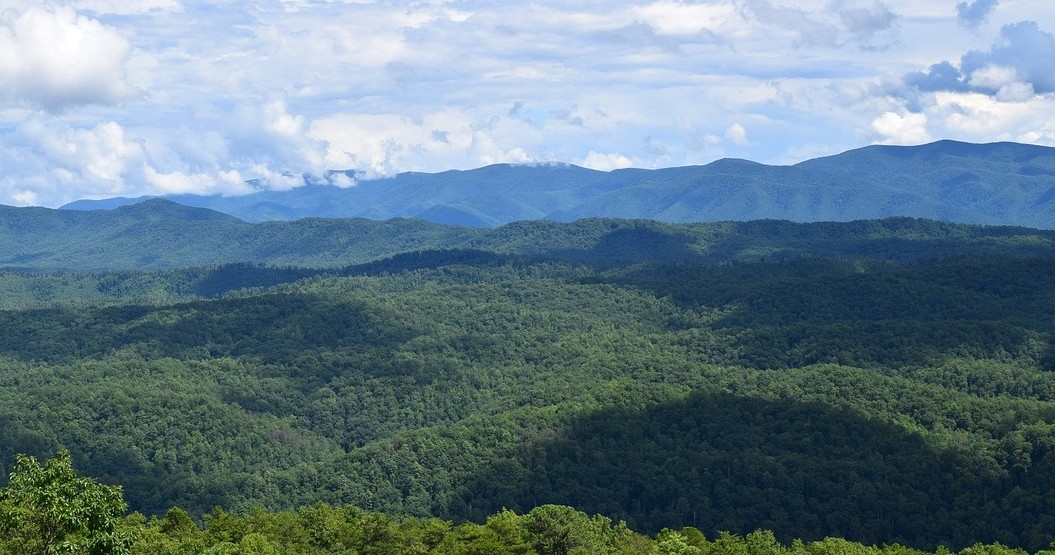
Geologically, Elkmont rests on folded, metamorphosed rocks of the southern Appalachians. The Little River—glacial in temperament, quick through its cascades—carves a corridor of coves and ledges, forcing a path lined with riverside hemlocks and tulip poplars. The park’s famous biodiversity turns up here in understory wildflowers in spring and blazing hickories and maples in fall. You can feel the long timeline: the stumps, the rusting metal, and the slow advance of rhododendron and beech reclaiming foundation stones.
The most straightforward way to meet Elkmont is on a guided outing like the Classic National Park Tour that departs from Gatlinburg. The tour threads through the park in comfortable, eco-friendly vans, combining history and geology with easy stops for photographs and interpretation. On that route you will see both the decaying summer cottages and the broader narrative of the Smokies—how logging, conservation, and community collided and eventually led to the park’s dedication at Newfound Gap in 1940 by President Franklin D. Roosevelt. Expect interpretive stops overlooking the valley, a walk among the old cabins, and an accessible introduction to the Little River and its trails.
For a traveler planning a visit, Elkmont is part hiking, part history lesson. Trails here are generally moderate and family-friendly: the Elkmont Nature Trail threads through old-growth pockets and past ruins, while the Little River Trail follows the riverbed for several miles if you want to lengthen your morning. Trail surfaces range from packed dirt to exposed roots and occasional boardwalk; some sections are level, others negotiate small rises and rock steps. Elevation is forgiving in the Elkmont hollow—most walking involves a few hundred feet of gain at most—but weather and stream crossings can complicate an otherwise gentle day.
Practicalities matter. There is no entrance fee to Great Smoky Mountains National Park, but parking at Elkmont can be limited on summer weekends and peak foliage days. Guided tours are a smart choice if you prefer not to navigate parking or want deeper context from a guide. Footwear should be sturdy and treaded; microspikes are unnecessary most of the year but a closed-toe shoe with ankle support will make the uneven boardwalks and streamside rocks feel secure. Carry water and layered clothing: upland mornings can be cool and the river valley quickly warms as the sun finds the hollow.
Wildlife is part of the rhythm here. Black bears forage the ridgelines; white-tailed deer step out at the edge of the tree line. Practice bear-aware behavior: keep food sealed, make noise on tighter wooded sections, and observe from a respectful distance. Leave fragile ruins alone—do not climb or remove materials from historic structures—and follow posted signs: preservation is ongoing, and the National Park Service has spent decades balancing conservation with visitor access.
Timing matters. Early morning yields the quietest photographs and the best chance of seeing wildlife near the river. Late afternoon softens the light and flatters the textures of rust and peeling paint. Fall is the high note for color; summer offers lush green and full rivers; spring returns wildflowers and migratory birds.
If you go with a guided Classic National Park Tour, take advantage of the interpretive moments. Guides can situate the ghost town within the larger story of the park: how small logging towns fuelled regional economies, how seasonal resort culture shaped the valley, and how the park’s creation redefined stewardship of these mountains. Even without a guide, a short loop and a little reading before you arrive will turn a walk among foundations into a conversation with the past.
Elkmont is not a place of frightful haunted houses or cinematic spectacle. It is quieter: a place where the human past is legible in beams and chimneys, where the river dares you to sit and listen. For the modern hiker and the history-minded traveler alike, it offers a compact, layered experience—an accessible trail, a slow curriculum in environmental history, and the kinds of views that reward patient observation. Pack sensibly, move respectfully, and leave the place ready for the next century of quiet mornings and slow rivers.