You climb out of the jeep at the first overlook and the ridge exhales. Fog that looked like cotton an hour ago has thinned to a blue hush, ridgelines folding into one another like a stack of ocean swells. A guide points out an old logging road below; somewhere a raven argues with the wind. This is not a drive you watch from the highway speed-seat; it is a slow negotiation between sky and stone, and on the Great Smoky Mountains Foothills Parkway Tour you get the benefit of someone who knows where the light looks best and which switchback hides the best views. For three hours you trade the rote vistas of a passing car for curated stops—small, exacted moments of the Smokies set in cinematic panorama. The tour threads Wears Valley, Townsend and the Parkway itself, culminating in a playful paved-terrain ride on private land in family-friendly jeeps that feel part vintage road trip, part off-road thrill. The Parkway is a study in patience and perseverance. Congress authorized the route in 1944; difficult geology and funding stops and starts meant that the final section was not finished until late 2018. That history shows in the road: bridges and cuttings that read like engineering footnotes to the mountains' stubborn geology. The Smokies here are not made of a single stone but a layered history—Cambrian sandstones and shales folded, uplifted and eroded over hundreds of millions of years into the long, smoky ridgelines you now stand above. The human story layers over that deep time. Townsend was a gateway for early settlers and loggers and later a quiet counterpoint to the boom towns of Gatlinburg and Pigeon Forge. Small family homesteads, moonshine tales and the rise of tourism have shaped the valley culture you glimpse at wayside markets and general stores. Guides on this outing are storytellers: they’ll fold that local history into the stops, naming families, pointing out stone walls and the old roads where once the region's economy turned on timber and moonshine. Practical details anchor the tour as tightly as the seat belts. The route begins in Pigeon Forge, making photo stops where the light is best and slowing to let you focus on the views; the total experience runs about three hours. The jeeps are family friendly, so this is the sort of adventure grandparents and tweens can share, which matters—the park’s solitude is fragile and the Parkway benefits from respectful visitation. You will see songbirds skittering along the scrub, perhaps a white-tailed deer in a meadow, and if luck is on your side and timing right, a black bear in a distant clearing. Guides will advise you on wildlife etiquette; you’ll learn why the park pushes for non-intrusive viewing. This drive is also a photographer’s trip. Stops are arranged so you can leave the steering to a pro and focus on compositions: foreground rhododendron framing distant ridges, the way the valley pocket holds fog in the morning, the late-afternoon gold that turns the mountains into a stack of amber plates. For SEO and convenience you can preview the tour pages and local expert profile before you go at the tour link. When you switch from Parkway to the private land portion, the tempo changes: the road tilts toward play, the jeep picks up a little bounce and laughter follows. That section is short, safe and engineered to give a taste of off-road fun without committing to a full-blown trail ride—perfect for families and anyone curious about the region’s backroads. Timing matters. Early morning brings fewer cars and better light; fall delivers the most dramatic color; late spring fills the understory with wildflowers and new leaves. Summer can be hazy and hot, but higher elevations stay cool. The guides know this and structure stops accordingly. Logistics are simple: meeting in Pigeon Forge, three-hour total window, minimal walking at overlooks. It’s an accessible entry into Smokies lore and high-country scenery without the strain of a long hike. Pack water, a wind layer, and a camera, come with eyes ready for detail and the patient pace of the ridge, and you’ll leave with the kind of images and stories these mountains are good at producing: small, stubborn, and unforgettably wide.
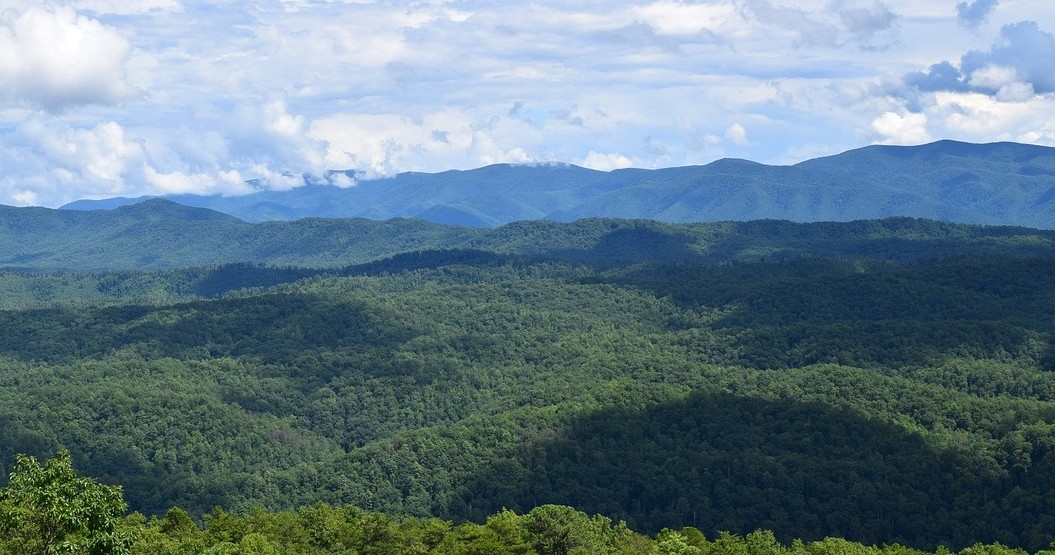
Ridge-Line Revelations: A Jeep Tour Along the Great Smoky Mountains Foothills Parkway
3 Hours! • Most Popular! • Guided Tour
Continue ReadingPlan your visit
Trail Wisdom
Arrive Early for Light
Book a morning departure to beat haze and crowds; the best ridge light is in the first two hours after sunrise.
Layer for Ridge Weather
Temperatures can swing 15–25°F between valley and overlook; bring a lightweight wind layer even in summer.
Hands-Free Photography
Bring a strap or small tripod; guides will stop briefly so you can compose without the car rocking.
Respect Wildlife Distance
Do not approach or feed animals—guides will instruct safe viewing distances for bears and deer.
Local Knowledge
Hidden Gems
- Look for small pull-offs near Wears Valley that frame twin ridgelines for layered shots
- Townsend’s farmer stands for local jams and mountain crafts
Wildlife
Black Bear, White-tailed Deer
Conservation Note
The Parkway skirts protected lands adjacent to Great Smoky Mountains National Park; follow Leave No Trace practices, stay on paved pull-offs, and avoid disturbing roadside vegetation and wildlife.
Seasonal Guide
spring
Spring brings fresh greens and mountain wildflowers; expect occasional rain and mornings with low cloud that can obscure long views.
summer
Summer offers comfortable temperatures on the ridge but plan morning departures to avoid haze and afternoon storms.
fall
Fall is peak season for color and crisp visibility; book early and expect more traffic at prime overlooks.
winter
Winter yields sharp, clear vistas and near-solitude but bring warm layers and check for icy road advisories.
Photographer's Notes
Shoot early or late for the best angle of light; use a short telephoto (70–200mm or phone zoom) to compress ridgelines and pick a foreground—rhododendron or fenceposts add scale. Use a strap and stabilization during jeep stops and bracket exposures if you want both shadow detail and sky.
What to Bring
Layered Jacket
EssentialWindproof layer for changing ridge-top temperatures and gusts.
Water Bottle (1L)
EssentialKeep hydrated during the three-hour tour; guides may not provide water.
Compact Camera or Phone with Strap
EssentialFor framed shots at stops—use a strap to avoid drops during bumpy sections.
Comfortable Closed-Toe Shoes
EssentialNeeded for short walks at overlooks and uneven pull-offs.
Common Questions
How long is the tour?
The experience is approximately three hours from the Pigeon Forge meeting point and includes multiple stops along the Foothills Parkway and a paved-terrain jeep section.
Is this suitable for children and older adults?
Yes; the jeeps are family-friendly and stops are short with minimal walking, though passengers should be able to climb into the vehicle.
Will we see wildlife?
You may see deer, turkey, and occasionally black bears; sightings can't be guaranteed and guides will advise safe viewing distances.
What should I bring?
Bring layered clothing, water, a charged camera or phone, and comfortable shoes; early-morning departures are best for light and fewer crowds.
Is there a lot of off-roading involved?
The private-land portion is a playful paved-terrain section designed to give a mild off-road feel while remaining safe and family-friendly.
Do I need permits or passes for this tour?
No additional permits are required for the guided tour itself; park entrance fees may apply if you plan to spend independent time in Great Smoky Mountains National Park.
What to Pack
Did You Know
Quick Travel Tips
Local Flavor
Logistics Snapshot
Sustainability Note
Topics
More from the Journal
Keep exploring

Townsend, Tennessee
Driving the Edge of the Smokies: Foothills Parkway’s Lookouts, Lore, and Quiet Roads
A paced, panoramic drive along the Smokies’ northern rim—perfect for jeep tours, photo stops and Cades Cove tie-ins.
Read story →
Gatlinburg, Tennessee
Echoes in the Hollow: Exploring Elkmont Ghost Town and the Little River's Ruins
Read story →
Wears Valley, Tennessee