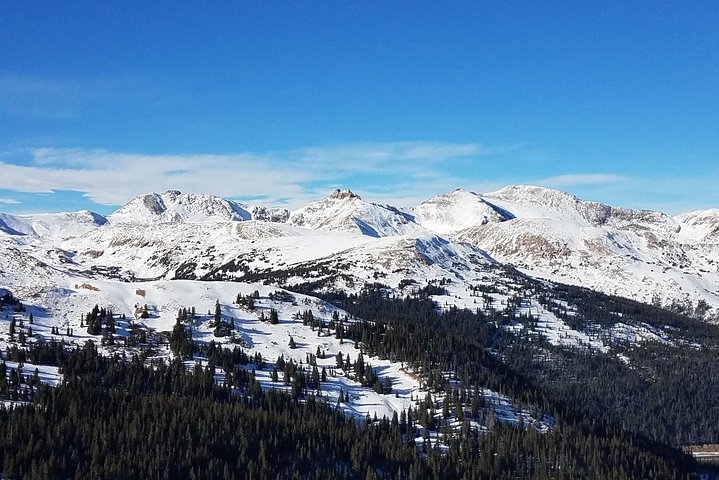
Morning comes thin and bright in Breckenridge, the kind of high-alpine light that feels freshly minted. The town still yawns awake, coffee drifting from Main Street as the Tenmile Range stretches its spine overhead. Gravel crunches under tires at the trailhead, and your coach—steady-eyed, relaxed—walks you through the simple, essential rhythm of mountain biking: body tall and loose, eyes up, brake with feel, let the bike dance beneath you. It’s a three-hour window into a new way of moving through the mountains, a beginner-friendly session that trades intimidation for calm, momentum, and the kind of confidence that lingers long after your wheels stop turning.
This is where riders come to take their first real bite of singletrack. In a place famous for big vertical and legendary loops, the entry ramp is surprisingly welcoming. The terrain just outside town offers a mix of soft forest duff, hardpack benches, and forgiving berms tucked between aspen stands and lodgepole pine. The trail itself seems to coax you forward. Roots whisper under your tires, corners invite a gentle lean, and every short climb negotiates rather than demands. Even the breeze feels like a teammate on your first lap. If you’ve pedaled roads or cruised town paths, this foundation-building session turns the unfamiliar into second nature.
Breckenridge’s trail network sits atop a history that still peeks out from the understory. A gold rush first put shovels in these hills in 1859, and remnants of the mining era linger in French Gulch and alongside quiet side trails. The geology—granites and metamorphic rock thrust to the surface by the Rockies’ uplift—creates the backbone for flowy traverses and grippy granite flecks that keep tires tracking. Long before the boomtown days, the Ute people moved through these valleys seasonally, reading the land the way riders now scan ahead for the cleanest line. In summer, aspens clap encouragement when the wind stirs; in fall, they flash gold and beckon you onward. Even the afternoon clouds carry personality, building with theatrical urgency before letting go in quick, cooling bursts.
The session stays practical from the jump. You’ll work on neutral and ready positions—hips unlocked, heels dipped, chest proud—then practice braking with finesse rather than fear. The coach breaks down cornering into approachable steps: level pedals, soft elbows, eyes scanning to the exit, weight shifting like a quiet conversation with the bike. Obstacles come in bite-sized portions. A shallow roll-down. A low root. A short rock garden that looks busy but rides smooth once you commit to a line. It’s all progressive and well-paced, designed to erase the mystery and reveal the method.
By mid-morning, muscle memory begins to settle. You float a turn you tiptoed through an hour earlier. Speed returns in steadier, more deliberate breaths. The trail, once a string of discrete features, becomes a story with rhythm. The forest seems pleased—shadows pulling you forward, the dirt encouraging a more confident press of the pedals. This is the clean, honest joy of learning a skill you can feel in your legs and lungs.
Breckenridge’s altitude adds both crisp clarity and a practical consideration. At 9,600 feet, even short efforts ask a little more from your heart and head. Hydration becomes a teammate; pacing, a superpower. Your coach will nudge you toward steady breathing and mindful recovery breaks. And the payoff for riding here is immense: you’re learning at elevation, so every future ride at lower altitudes feels that much easier.
Plan the experience with the same simplicity the session teaches. Bring your own mountain bike or secure a local rental ahead of time. A well-fitted helmet is non-negotiable. Gloves help with grip. A small pack with water and a snack bar keeps you fueled. Sunscreen is smart at this elevation, where light is bold even on cooler days. If you’re here in peak summer, aim for an early start to beat afternoon showers. Late spring and fall can be sublime—tackier dirt, crisp air, fewer crowds—but you may need an extra layer. Winter locks most singletrack under snow, though fat biking can still scratch the itch on designated routes.
If you want a deeper primer before you roll, browse this guide to introductory mountain biking coaching in Breckenridge. It covers the basics and sets expectations so your session time is purely about riding. New to the sport entirely? Skim a quick lesson on stance, cornering, and braking—then reinforce it in real terrain with hands-on feedback. Prefer to learn by doing? Sign up, show up, and let the ground teach you—with a coach keeping the learning curve smooth.
The culture around bikes here is inclusive and quietly proud. Coffee shops double as debrief stations, bike racks brim with dusty frames, and evening patios buzz with talk of trail conditions. You might finish your session with a few modest PRs and a phone full of photos—bright aspens, sky-blue trail markers, a grin you didn’t plan on. More importantly, you’ll leave with skills that turn the whole map into possibility.
When you’re ready to keep building, you’ll find plenty of progression routes in town. Gentle green and blue trails offer repetition and comfort. As your confidence grows, add a short climb or a longer descent. The path from beginner to confident rider isn’t about bravado; it’s about consistency. Every lap teaches something new. Every ride is an invitation to play.
If you’re on the fence, consider this: a single well-structured session can shortcut months of guessing and self-correction. Whether you’re preparing for a summer of local trail rides or dreaming of bigger objectives down the line, this is a clean, effective investment in how you move through the mountains. And if you want to keep that momentum rolling, bookmark our resource for beginner mountain bike lessons in Breckenridge—a simple next step that keeps the skill-building going.
By the time you glide back to the trailhead, the forest feels like a friend you’ll meet again soon. The dirt has shared a few secrets. The mountains, once aloof, are suddenly approachable. You’ll brush dust from your shins, take a last pull from your bottle, and feel that quiet click in the brain that says: I can do this. And you can. The trail is right there, patient and ready. When you’re ready to ride again, tap back into intro-level MTB coaching in Breckenridge and keep the learning curve pointed downhill—in the best possible way.