Florida Winter Trail Rides: Saddles, River Shade, and Reclaimed Hills

Florida Winter Trail Rides: Saddles, River Shade, and Reclaimed Hills

See the Different side of Florida!

Continue Reading

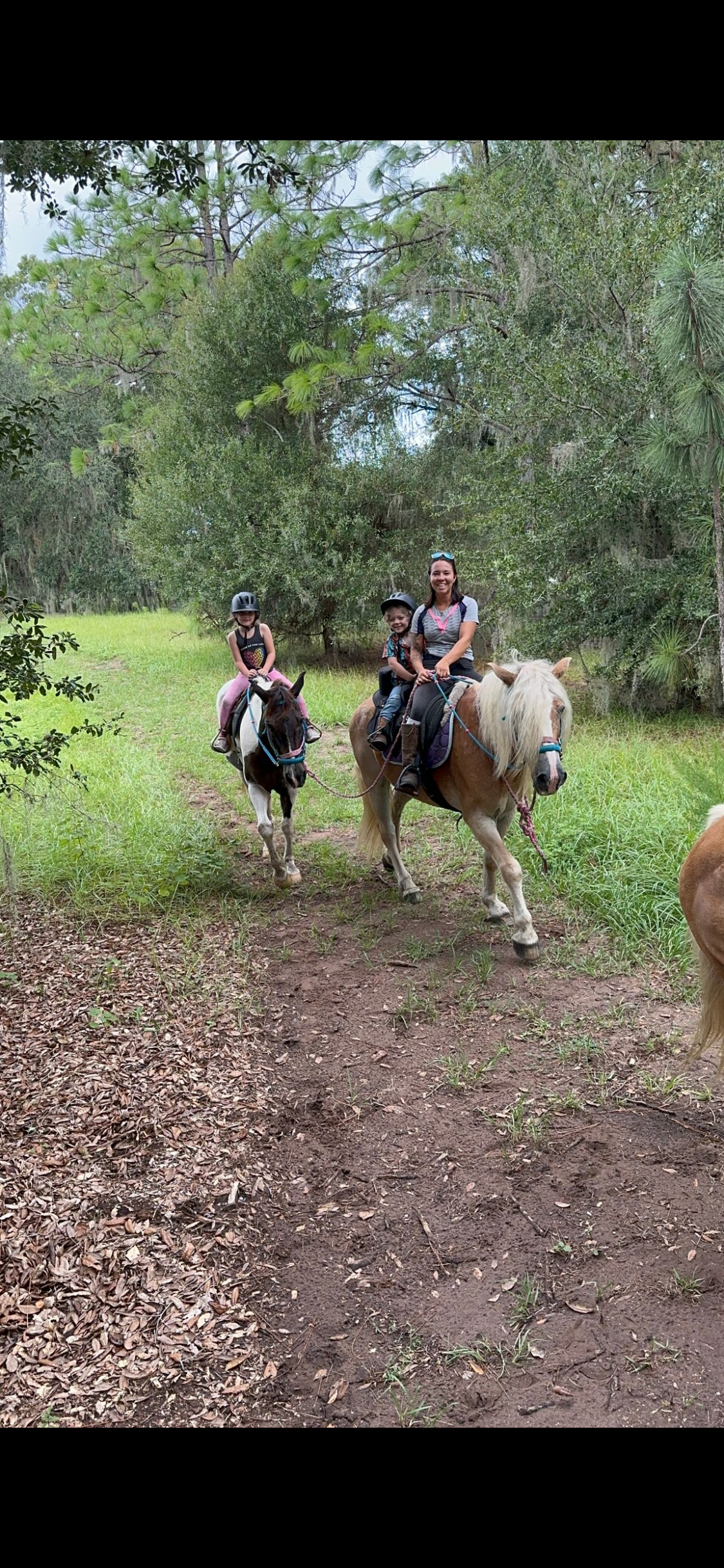
The Alafia River drifts slowly under live oaks and Spanish moss, its tannin-stained surface the color of iced tea. On a winter morning near Tampa, the air is dry and forgiving; you can hear the saddle leather creak before the horses start forward, hooves a steady drum on the sandy path. The river keeps pace like an old friend, whispering as it threads past cypress knees and palmetto fans. It dares you to relax, to let the rhythm take over and trust the animal beneath you. You settle into the sway, winter light filtering through a green tunnel that seems to breathe with the horses.

Florida’s backwoods are not all beaches and boardwalks. Out here, reclaimed hills fold the landscape into surprising contours, relics of an industrial past that nature has softened with a blanket of pines and oak hammock. This 1.5-hour ride stays close to the river and ducks through shaded corridors where barred owls call and the breeze carries the smell of damp earth. It’s a different kind of Florida—quieter, wilder, and deeply at ease with itself.

With an outfitter who prioritizes calm horses and accessible instruction, riders ages 8 and up can join the line and learn on the move. The experience starts with a thorough safety briefing—how to sit, how to hold the reins, how to communicate with your steed without saying a word. There’s an easy camaraderie at the mounting block: the guide checks stirrups, offers pointers, and shares a quick origin story for each horse. Moments later, you’re moving at a walk into the trees, your senses tuned to hoofbeats and birdsong. If you’re ready to plan or book, a detailed rundown of this specific winter experience—routes, timing, and how it all works—lives here: winter horseback ride in Florida.

History has left its fingerprints all over these trails. The rolling terrain near the Alafia River once served phosphate mining operations. When the land was reclaimed and restored, it turned into something unexpected: a network of trails that rise and fall over sculpted berms where sabal palms, longleaf pine, and wiregrass have reclaimed the grid. Mountain bikers know this area for technical rides; equestrians come for the spacious loops, water views, and firm footing that holds up when winter rains move through. The park’s story is one of resilience—industry’s sharp edges softened into a sanctuary where gopher tortoises dig, deer step lightly at dawn, and great blue herons stalk the shallows.

On the trail, the river keeps you honest. Its slow current always nudges forward, reminding you to keep your eyes up, heels down. The oaks arch overhead like a cathedral, and the understory leans in, palm fronds clacking as if applauding when your horse rounds a bend with confidence. The man-made hills add texture: little climbs and dips that wake up your balance without demanding athletic heroics. New riders often feel their shoulders drop by the first mile. Experienced riders settle into the details—soft hands, steady cadence, a small half-halt to coax a perfect turn.

Wildlife sightings are never guaranteed, but winter can be generous. On clear mornings, turtles stack like coins on sun-warmed logs. You might flush a flock of ibises, their wingbeats crisp as paper. Armadillos shuffle the leaf litter, unbothered by your presence. The river talks in eddies and riffles, and the forest answers back with woodpecker taps. The ride has a calm pacing that mirrors the landscape: unhurried, attentive, quietly immersive.

For travelers, this is a smart winter play. Florida’s dry season runs roughly from November to April, and cooler temperatures keep both riders and horses comfortable. Trails drain well here, and the shaded corridors make mid-morning outings feel fresh. The ride itself lasts about 75 minutes in the saddle, bookended by a safety meet-up and introductions. It’s long enough to feel like you’ve truly escaped, short enough to fold into a Tampa weekend alongside fresh seafood and a stroll through Ybor City. If you want a guide who knows which loops are best for the day’s conditions, start by browsing the details and availability here: Florida winter trail ride.

Logistically, it’s straightforward—closed-toed shoes, comfortable pants, and a refillable bottle tucked in a small pack. Most outfitters provide helmets on request; it’s smart to take one. Expect a relaxed pace, with opportunities to pause by the river and listen. The forest has moods, and today it’s talkative: palmettos hushing the wind, riverlight flickering like a metronome along the horses’ necks. You step down at the end with legs a little springy, smile wider than you expected. The river keeps going, indifferent and welcoming at once. You’ve met it on its terms, winter-soft and steady, and it’s already calling you back.

Duration1.25–1.5 hours (including briefing)
Plan your visit

Trail Wisdom

Dress for the saddle

Closed-toed shoes and long pants prevent rubs and protect your ankles from brush along narrow sections of trail.

Hydrate smart

Carry a small, hands-free water bottle or hydration belt—winter is cooler, but Florida rides can still be thirsty work.

Mind your spacing

Keep a horse-length between riders to avoid tail-swishing or sudden stops on rolling, man-made hills.

Sun and bugs

Apply sunscreen and a light insect repellent, especially near the river and shaded hammocks.

Local Knowledge

Hidden Gems

  • Lithia Springs Conservation Park—spring swim area and shaded picnic spots just up the road
  • Alderman’s Ford Conservation Park—quiet river overlooks and boardwalk loops along the Alafia

Wildlife

White-tailed deer, Great blue heron

Conservation Note

Stay on designated routes to protect sensitive habitats, including gopher tortoise burrows and riverbank vegetation. Pack out all trash and give wildlife generous space.

Much of this rolling terrain was shaped by phosphate mining; the land was later restored and transformed into a state recreation area, now prized for equestrian and multiuse trails.

Seasonal Guide

spring

Best for:Wildflowers, Mild temperatures
Challenges:Occasional thunderstorms, Rising humidity

Trails are green and active with birds and new growth. Start early to dodge pop-up rain in the afternoons.

summer

Best for:Dense shade, Early morning rides
Challenges:High heat and humidity, Mosquitoes and biting flies

Stick to sunrise departures and hydrate well. The canopy helps, but expect steamy conditions near the river.

fall

Best for:Dry air, Quieter trails
Challenges:Warm afternoons, Early darkness post-DST

A shoulder-season sweet spot with stable footing and lingering warmth—book weekday rides for more solitude.

winter

Best for:Cool, dry weather, Wildlife sightings
Challenges:Occasional cold fronts, Breezy days

Prime riding season with comfortable temps and fewer bugs. Light layers keep you cozy when fronts move through.

Photographer's Notes

Ride with a compact camera or phone lanyard for safety. Expose for highlights under the oak canopy, then lift shadows in post. Use burst mode when passing through the 'tunnel of trees' and frame riders with the river in the background. Early morning light adds texture to Spanish moss—shoot wide at 24–28mm for the full canopy effect.

What to Bring

Closed-Toe Riding Shoes or Boots

Essential

Protects feet and offers a stable platform in the stirrups on sandy, uneven terrain.

Lightweight Long Pants

Essential

Prevents saddle rub and shields legs from palmetto fronds along narrow corridors.

Refillable Water Bottle (Hands-Free Carry)

Essential

Keeps you hydrated without juggling a bottle; winter rides are still warm by midday.

○

Sun Protection & Bug Spray

A brimmed hat for breaks, SPF for open stretches, and repellent near the river’s edge.

Common Questions

Do I need prior horseback riding experience?

No. This guided ride welcomes beginners and starts with a safety briefing and on-trail coaching.

What is the minimum age and group size?

Riders must be 8 years or older. Standard groups are up to 5 guests; call ahead for parties larger than 3 to coordinate availability.

What should I wear for a winter ride in Florida?

Closed-toed shoes, long pants, and light layers. A breathable top works well; bring sunscreen and insect repellent.

Are helmets provided?

Many outfitters offer helmets upon request. If you prefer your own equestrian helmet, feel free to bring it.

What happens if it rains?

Light rain may not cancel the ride, but thunderstorms or unsafe conditions will. Your guide will contact you with options to reschedule or refund.

Will we see wildlife?

Wildlife is never guaranteed, but winter often brings more sightings—look for wading birds, deer, turtles, and the occasional gopher tortoise near sandy uplands.

What to Pack

Closed-toe shoes for safe footing; Lightweight long pants to prevent saddle rub and brush scratches; Refillable water bottle to stay hydrated in warm winter sun; Sunscreen and insect repellent for river-edge exposure and mid-ride comfort.

Did You Know

Alafia River State Park occupies reclaimed phosphate mine lands and is renowned for its undulating terrain—unusual topography in peninsular Florida that now supports multiuse trails and rich wildlife habitat.

Quick Travel Tips

Arrive 20–30 minutes early for the safety briefing; Bring a valid ID and check your confirmation email for the exact meeting location; Expect limited cell service on some trail segments; Have cash or a card ready for park entry if it’s not included with your booking.

Local Flavor

After the ride, head into Tampa’s Ybor City for Cuban sandwiches at the iconic Columbia Restaurant or a post-ride pint at Coppertail Brewing Co. Closer to the park, grab barbecue or roadside tacos in Brandon and Riverview, then catch sunset along the Tampa Riverwalk to round out the day.

Logistics Snapshot

Closest airport: Tampa International (TPA). Trailhead area: Alafia River State Park, Lithia, FL (about 45–60 minutes from downtown Tampa). Meeting point is provided in your confirmation email; follow guide instructions on arrival. Cell service can be spotty on the trails. Park entry fees may apply; helmets available on request. Riders must be 8+ and wear closed-toed shoes.

Sustainability Note

These trails traverse sensitive river corridors and restored uplands—stay on designated paths, never feed wildlife, and pack out all trash. Choose reef-safe sunscreen to reduce runoff impacts in waterways after your ride.

Topics