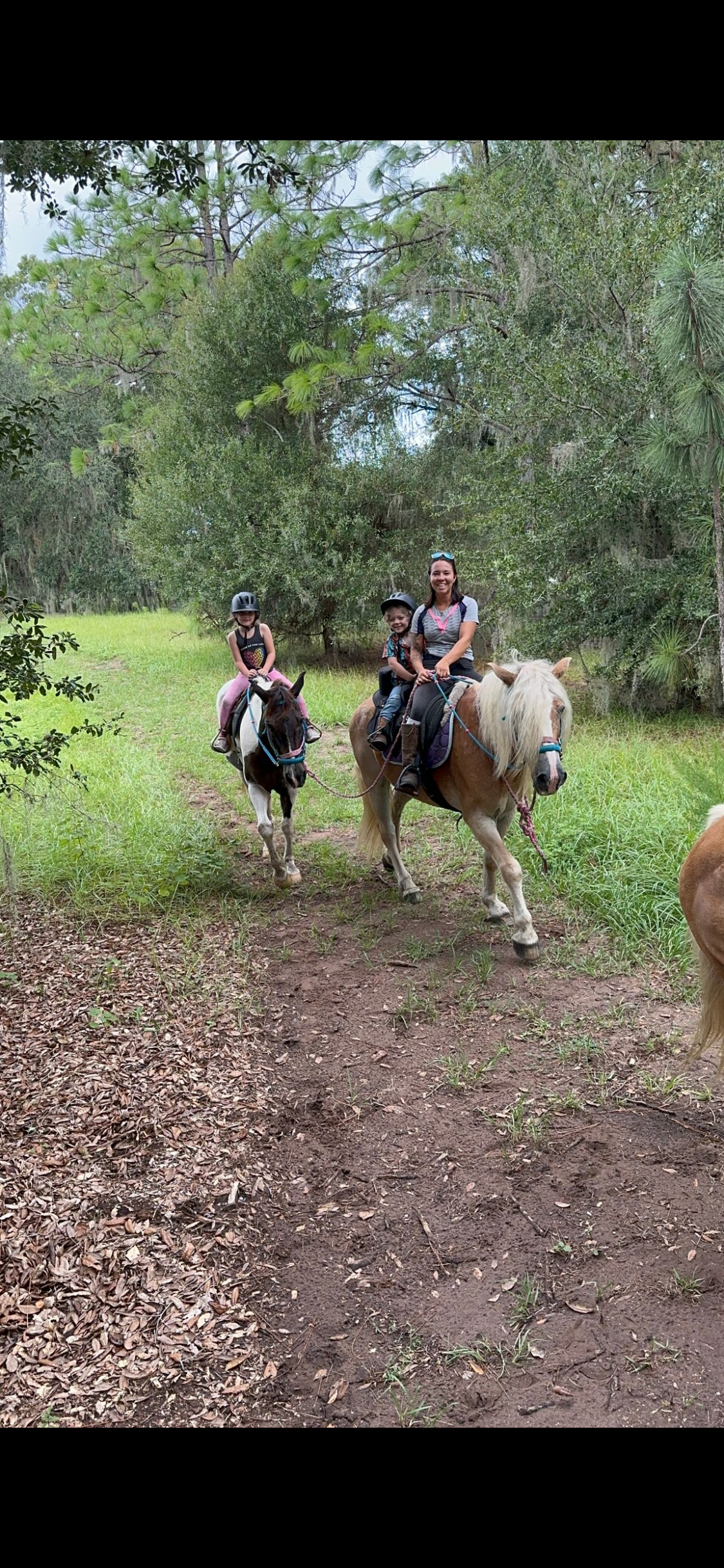
The morning air along the Alafia River moves with intent, cool and steady, carrying the scent of wet oak leaves and sun-warmed pine. A barred owl reminds the forest who owns the dawn, and the trails wake in a rustle of tires and clipped footsteps. Here, 45 minutes southeast of Tampa, Florida breaks character. Hills rise where you expect flatlands, lakes wink from old mining pits, and singletrack slithers across ridgelines that feel lifted from Appalachia. Alafia River State Park is Florida, reimagined—reclaimed land turned into a playground for mountain bikers, hikers, paddlers, anglers, and anyone who likes their adventure with a surprise ending.
The park’s drama comes from its past. For decades, this landscape was a phosphate mine—the Lonesome Mine—where bulldozers carved and moved earth until the terrain looked like a wrinkled map. When mining ceased, Cytec Industries donated the land to the state in 1996. By 1998, Florida Park Service managers and community trail builders had begun shaping something new from the spoils: a state park whose signature feature is elevation—a rare commodity in the peninsula. The result is a crumpled world of steep berms, punchy climbs, and sudden drop-offs, stitched together by more than 20 miles of mountain bike trails and a web of hiking and equestrian routes.
You sense that energy the moment your tires bite into Rollercoaster, a flowing loop that lives up to its name. The trail pumps and weaves, daring you to trust the grade. The forest leans in—sabal palms fanning like a crowd, slash pines standing tall as referees. Black-diamond routes like Gatorback and Moonscape add spice, with technical climbs and tricky lines skirting the edges of old mining pits. It’s Florida’s version of high country riding, built from the bones of industry and softened by decades of growth. For intermediate riders, North Creek offers rhythm and roots under a cathedral of oaks, a place where your cadence finds the park’s heartbeat.
Not riding? Alafia folds open plenty of other pages. The hiking trails keep close to cypress domes and oak hammocks, with boardwalk sections that carry you over tannic water where minnows flick and dragonflies patrol. The river itself—dark with tannins, slow in appearance but leaning forward with momentum—invites a paddle. On a kayak or canoe, you feel the current’s quiet insistence as it pushes past limestone outcrops and sandbars. Herons work the marsh edges with measured patience; an osprey keys on movement, then drops hard. Anglers take to the lakes formed in the mined basins, casting for bass and bluegill beneath the shadow of tall grasses. At camp, nights stretch long and star-pinned, with the chorus of frogs taking over once the day’s last bike hub goes silent.
The human story lives alongside the wild one. Look closely and you’ll read the terrain: spoil mounds turned ridgelines, sinkholes filled to form lakes. The trails are the park’s grammar—carefully built by volunteers, maintained with a mechanic’s eye, and routed to keep the land breathing. It’s an ongoing collaboration between nature and people who care about places becoming their best selves.
The park is compact enough to sample in a day yet layered enough to merit a weekend. A typical itinerary goes like this: hit an intermediate loop like North Creek or Bridges while the dirt is cool, then step up to Rollercoaster or Gatorback once you’re warmed. Break for lunch at the trailhead pavilion, then swap shoes for a mellow hike along the riverside, where you’re likely to spot turtle trails in the sand and the s-curve of a water moccasin slicing away from your footsteps. If you’ve brought a boat, finish with a late-afternoon paddle—gold light settling on the water, the current tugging you into its quiet argument with the Gulf.
Compared to Florida’s beaches, Alafia is unassuming. There’s no glossy surf, no promenade of umbrella pins. The reward is subtler: a sense of surprise, a place that asks for your attention and returns it with texture and motion. The park’s reclaimed terrain teaches you to read the land differently—to see how a hill can be a sentence fragment that still communicates just fine. That lesson continues in the details: a gopher tortoise shouldering its way into a burrow; red-shouldered hawks keying on the edge of a clearing; the hush beneath live oaks stitched with Spanish moss.
Planning helps. Florida summers arrive with volume—heat presses down and afternoon thunderstorms roll hard. Hydration isn’t a suggestion; it’s the ticket. Trails can be sandy in dry spells and slick after rain, each condition demanding a slightly different touch on the bars or boots. Helmets are non-negotiable for riders. Long sleeves or bug repellent make dawn and dusk far friendlier. Keep a respectful distance from alligators, who patrol the lakes and river like old sheriffs. And mind closures: If a trail is signed as wet or off-limits, it’s for the land’s sake and yours.
For logistics, the park sits near Lithia, with Tampa as the most common base. Day-use fees are nominal, and hours run from 8 a.m. to sundown. Camping can book up in the cooler months—reserve ahead. Aim for fall through spring for milder temps and grippy tread, though summer mornings can still be magic if you start early and quit before lightning writes its quick script across the sky.
In the end, Alafia is less about conquering and more about syncing up. Let the trails set your cadence. Let the river decide your pace. The land has memory and momentum; it carries both plainly. Show up ready, ride or hike with intent, and the park meets you more than halfway—Florida, rising, inviting you up the next ridge.