Start Petra at dawn
Beat the heat and the crowds—arrive early to see the Treasury in soft light and to avoid steep midday sun.
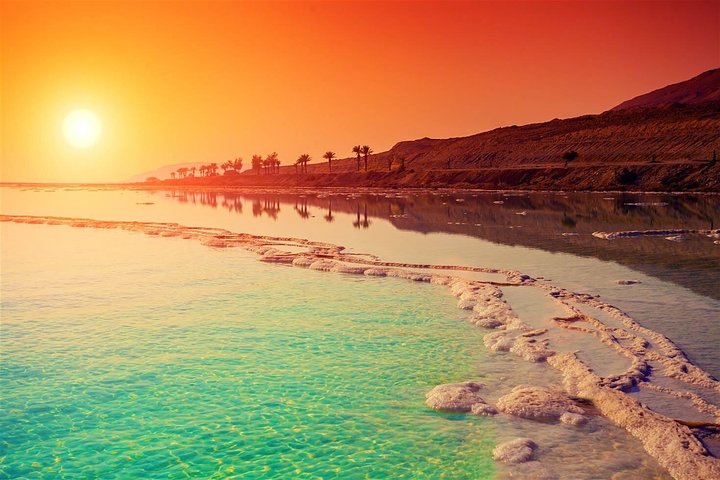
Five days bridging history, desert, and the buoyant hush of the Dead Sea
You emerge from the siq into the Treasury and the desert exhales. Stone, sand and sky conspire to make you feel small in the best possible way: the carved façade is at once human handiwork and geological miracle, its rose-red face lit by a late-morning sun that seems to measure time by color. This is Petra—half-hidden, half-remembered—and over five days you move through layers of history and landscape: Byzantine mosaics in Madaba, views from Mount Nebo, the buoyant hush of the Dead Sea, then the wind-sculpted loneliness of Wadi Rum.
Beat the heat and the crowds—arrive early to see the Treasury in soft light and to avoid steep midday sun.
Carry at least 2 liters per day; the Dead Sea is low and dry while Wadi Rum nights are cool and dehydrating.
Trails in Petra and Wadi Rum are uneven and sandy—sturdy hiking shoes with good tread reduce slip risk.
Choose camps that employ local guides and cooks to ensure your visit benefits the community and follows park rules.
Nubian ibex, Red fox (desert fox)
Tourism impacts fragile desert soils and archaeological sites—stick to marked trails, use registered guides, and support local Bedouin-run camps.
Spring offers mild days and blooming desert flora—ideal for walking Petra and camping in Wadi Rum.
Summer is hottest and best for Dead Sea bathing; avoid midday outdoor exertion and plan early starts.
Fall is arguably the best balance of temperature and light, excellent for photography and hiking.
Winter nights can be cold—pack warm layers—but days are pleasant for exploring ruins and deserts.
Shoot the Treasury at sunrise for warm side light and fewer crowds; use a wide-angle lens for Petra’s canyon vistas and a telephoto for rock details; at the Dead Sea use polarizing filters for cleaner reflections; check drone regulations and consider golden-hour light in Wadi Rum for dramatic silhouettes.
Support and traction for rocky paths in Petra and sandy dunes in Wadi Rum.
Keeps you hydrated across long transfers and dry desert days.
The sun is intense across the valley; protect skin and eyes during outdoor time.
Desert nights can become unexpectedly cold, especially in winter months.