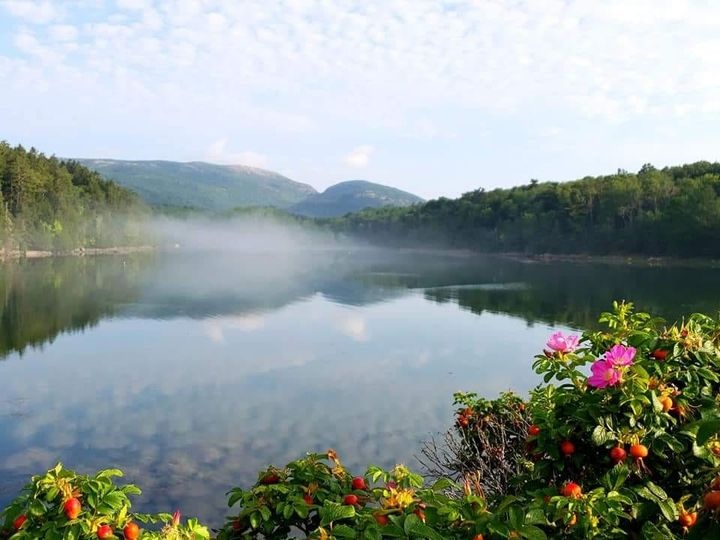
Four Hours to the Edge of the Atlantic: Cadillac Summit and Somes Sound by Park Loop Road

Four Hours to the Edge of the Atlantic: Cadillac Summit and Somes Sound by Park Loop Road

See the Park Loop Road of Acadia including Cadillac Summit, plus famous fjord Somes Sound

Continue Reading

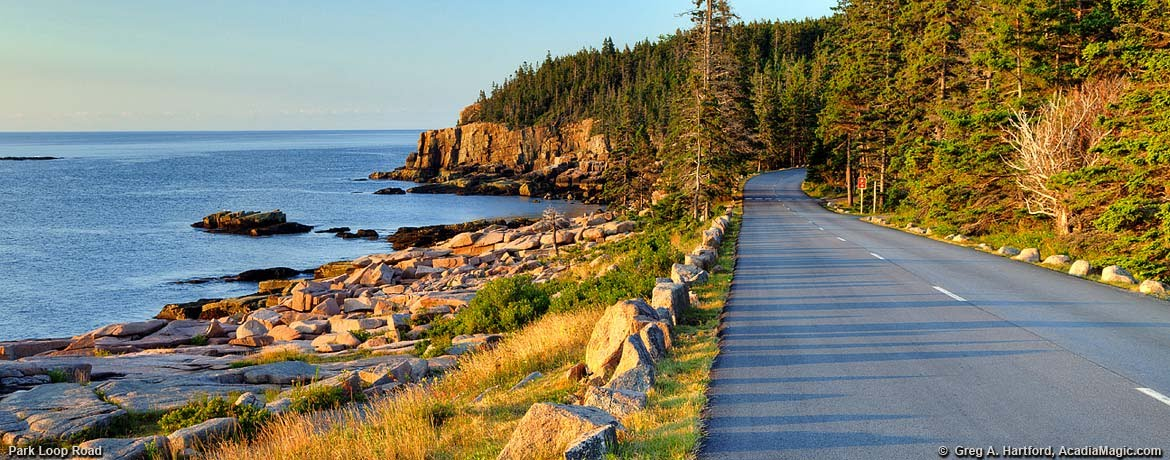
Fog breathes in from the Atlantic, sliding through the spruces like a whisper as the car noses onto Park Loop Road. Granite shoulders rise on either side—pink, old, unbothered—while the ocean flickers blue steel through breaks in the trees. This is Acadia in motion: a ribbon of road that stitches together the park’s greatest hits in one elegant arc. In four hours, you can meet the mountain that greets the first light of winter, stand above a rare East Coast fjard, and let the coastline’s pulse set your pace. The curated rhythm of a guided loop—especially on a dedicated Acadia Cadillac Summit & Somes Sound tour—strips out the logistics and hands you the good stuff: time, vantage points, and the quiet places in between.

The climb begins toward Cadillac Mountain, 1,530 feet of granite dome rising above Frenchman Bay. On clear days the world widens in every direction. Bar Harbor rests at your feet; Porcupine Islands scatter like green coins across the water. Stand at the summit and the wind has an edge, even in July. It nudges you to the railing, dares you to trace the jagged coastline north and the rolling inland hills west. Between October and early March, this is often the first place in the continental U.S. to see sunrise; other mornings, it’s simply a platform for watching light unspool across an island-studded bay. A guide keeps the timing sharp—arriving before the tour buses, reading the cloud deck—and a Cadillac Mountain summit tour saves you the seasonal dance of timed-entry permits and parking hunts.

Down from the heights, the sea takes over. Sand Beach arrives unexpectedly—a crescent of surprisingly cold water held between headlands—and the trail to Great Head pulls like a magnet for anyone itching to stretch their legs. In minutes, the coastline becomes a conversation: waves pushing forward, cliffs answering in a low granite baritone. Thunder Hole, the park’s natural metronome, exhales on an incoming tide. Visit about two hours before high tide and the ocean turns theatrical, punching air from the cavern and hurling sound up the rock. On calm days, it’s quiet—more a throat-clear than a shout—but the place always reminds you that the Atlantic is the real protagonist here.

Keep cruising to Otter Cliffs and the Precipice. When conditions are right, you might see peregrine falcons riding thermals over the ladder-like rock faces—proof that wildness still keeps an address here. This is the part of Park Loop Road where hand-cut granite curbs and elegant bridges hint at the park’s human past. Wealth and stewardship braided together to create Acadia. John D. Rockefeller Jr. built the famous carriage roads, a gift of quiet lanes and graceful stonework that feels both grand and grounded. Earlier, George B. Dorr and Charles W. Eliot championed preservation, laying the foundation for a park that would carry its coastal character intact into the 21st century.

The loop breaks inland at Sieur de Monts, where springs and gardens soften the granite’s stance. It’s an easy place to slow down—boardwalks skimming over wetlands, maples lighting up in fall. With a guide at the wheel, the stops feel deliberate rather than rushed. You can linger where it moves you, then glide on when you’ve had your fill. That freedom is the quiet luxury of a Park Loop Road guided tour: you’re in the scenery, not reading the map.

Then there’s Somes Sound, a rare fjard—a cousin to fjords—etched by glaciers and finished by the sea. It runs like a deep breath into Mount Desert Island, splitting it almost in two. On still days, the water turns reflective and sailboats idle as if painted. The hillsides here are green and ordered; Northeast Harbor and Seal Harbor keep their porches swept and their lawns meticulous. Asticou and Thuya gardens bloom in thoughtful layers, a patient counterpoint to the park’s rugged edges. Window down, you can smell salt and balsam and something faintly mineral. Somes Sound doesn’t shout; it invites. A Somes Sound fjard drive wraps its arms around that quietness, giving you the shoreline angles and garden detours that many miss.

Practicalities matter in Acadia, where tide tables, timed reservations, and parking scarcity can govern your day. Four hours sounds short, but used well it’s a masterclass in coastal Maine geology and culture. Expect brief walks on uneven granite, coastal breezes that cool even hot afternoons, and crowd pulses near headliners like Sand Beach and Cadillac. Good shoes and a wind layer go a long way. Hydration, always. And if you’re tempted to arrive for sunrise, remember seasonal restrictions for Cadillac Summit Road—another logistics wrinkle a guided outing sidesteps.

Beyond the vistas, this route is a primer in how the island breathes. Glaciers bruised this granite and combed out the bays. The Atlantic polishes the edges daily. Spruce and fir hug the margins, stubborn and aromatic. Peregrines patrol the cliffs; harbor seals pop up like question marks in the coves. The road itself is a graceful compromise—threading the best of everything into a single drive, yet leaving large swaths quiet for the carriage roads and footpaths that crisscross the island.

End where you began, back in Bar Harbor with salt in your hair and a better map in your head. If you’ve timed it right, Jordan Pond House is close enough for popovers and tea with a mirror view of the Bubbles. Or keep it simple with a lobster roll and a nap. Either way, you now own a working knowledge of Acadia’s spine and shoreline—enough to steer your next day deeper into a trail system or back along the coast for another pass at Thunder Hole with the tide in your favor.

Four hours won’t exhaust Acadia; it’s not supposed to. It’s a handshake and an invitation, a circuit that teaches you what to chase next. Start with the loop. Let the mountain and the sea make their case. Then come back for the details, the smaller paths, the 6 a.m. fog that rolls in like an old friend. The park will meet you there, same as always, patient and alive.
Duration4 hours
Plan your visit

Trail Wisdom

Time Thunder Hole with the Tide

Arrive about two hours before high tide for the best chance at booming waves and spray—low tide is quieter and often less dramatic.

Layer for Wind on Cadillac

Even in summer, Cadillac’s summit can be 10–15 degrees cooler with gusty winds; bring a light windbreaker or fleece.

Footwear for Granite

Short walks to overlooks often include uneven granite and wet spray; wear sturdy shoes with good traction rather than sandals.

Reservations & Passes

From late spring through fall, Cadillac Summit Road may require timed vehicle reservations and an Acadia park pass—guided tours typically handle this, but confirm your departure time.

Local Knowledge

Hidden Gems

  • Compass Harbor Trail to the ruins of George Dorr’s estate
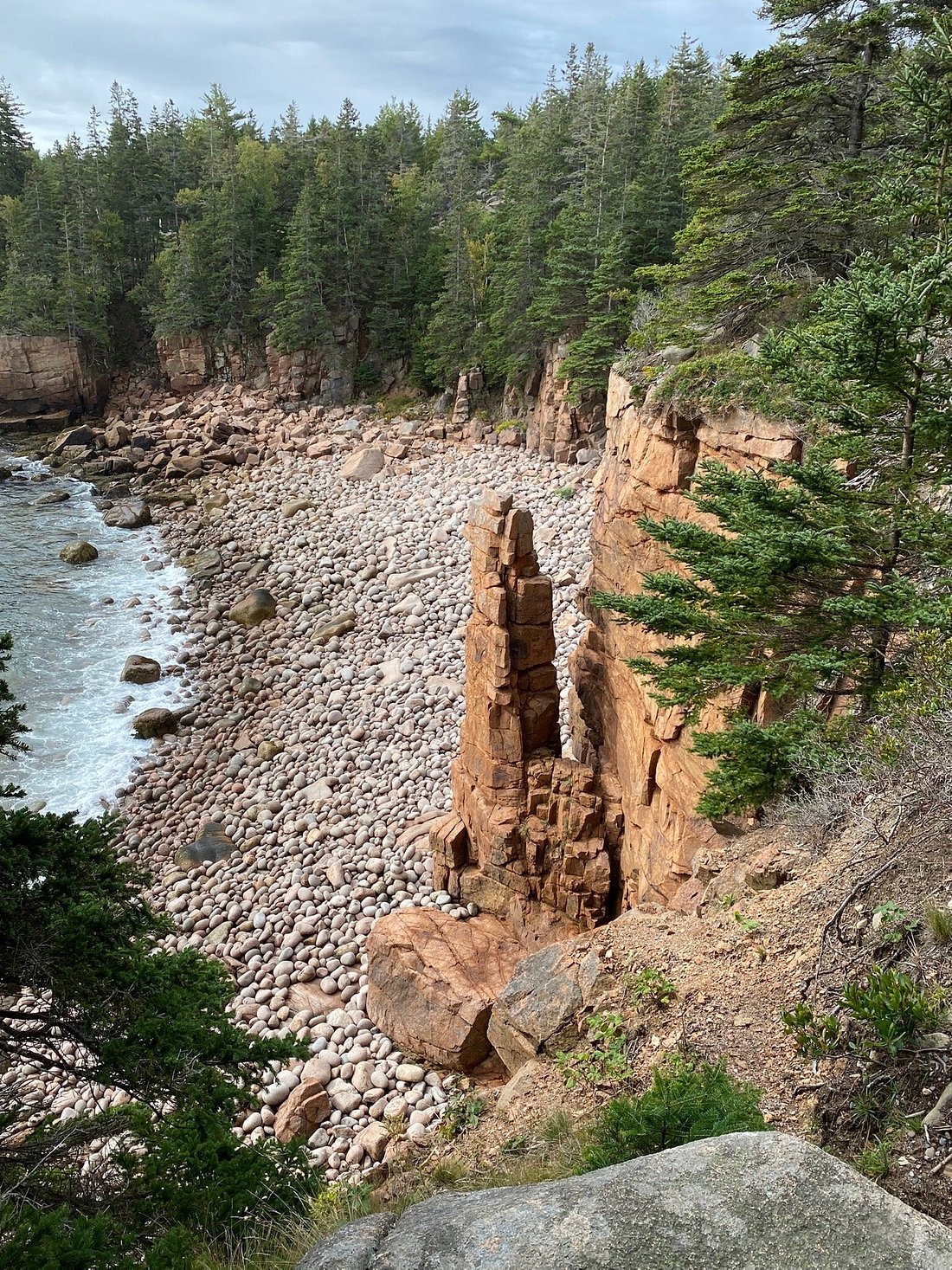
  • Hunter’s Beach, a cobble cove with a small stream and quiet vibe

Wildlife

Peregrine falcon, Harbor seal

Conservation Note

Stay on granite and marked paths to protect fragile lichen and rare plants; observe seasonal closures at raptor nesting sites like the Precipice.

Acadia’s carriage roads, funded by John D. Rockefeller Jr., feature 16 unique hand-crafted stone bridges and were designed to keep motorized traffic separate from quiet lanes and trails.

Seasonal Guide

spring

Best for:Cool hiking and short walks, Wildflowers and garden visits
Challenges:Unpredictable fog, Chilly summit winds

Spring opens the park with fewer crowds and moody light; expect cool temps and changeable weather along the coast and at elevation.

summer

Best for:Coastal vistas and swimming at Sand Beach, Long daylight for exploring
Challenges:Parking congestion, Humidity and biting insects in low areas

Summer brings warm temps and peak visitation—start early or join a guided tour to skip the stress and find parking-free viewpoints.

fall

Best for:Foliage on the carriage roads, Crisp air and steady visibility
Challenges:Shorter days, Occasional closures during storms

Autumn is prime time: brilliant maples, steady weather, and golden light across Somes Sound and Cadillac’s summit.

winter

Best for:Quiet scenic drives where open, Snowy summit views when accessible
Challenges:Limited road and facility access, Icy surfaces and strong winds

Winter strips the crowds and turns Acadia contemplative; check road status and be ready for icy conditions on overlooks and paths.

Photographer's Notes

Bring a circular polarizer to cut ocean glare and deepen spruce greens; arrive early on Cadillac for soft side-light and fewer crowds; shoot Thunder Hole on an incoming tide with a 1/4–1/2 second shutter for silky spray; embrace fog—meter for midtones and use it to simplify busy backgrounds along Park Loop Road.

What to Bring

Light Windbreaker or Fleece

Essential

Wind and cool temps at Cadillac’s summit make a packable layer invaluable in shoulder seasons.

Sturdy Walking Shoes

Essential

Granite slabs and wet spray near overlooks require traction and stability.

Sun Protection (Hat, Sunscreen, Sunglasses)

Essential

Ocean glare and exposed viewpoints amplify UV even on cooler days.

○

Binoculars

Spot peregrine falcons on the Precipice and seals bobbing in sheltered coves along the loop.

Common Questions

Do I need a park pass or Cadillac Summit Road reservation?

Acadia National Park requires an entrance pass year-round, and Cadillac Summit Road typically requires a seasonal timed-entry reservation. Guided tours often secure permits and manage timing—confirm details with your operator before departure.

How much walking is involved on this 4-hour tour?

Expect several short, optional walks to overlooks and coastal viewpoints on uneven granite and boardwalks. The tour is primarily a scenic drive with flexible stop durations.

When is Thunder Hole most impressive?

Aim for roughly two hours before high tide with onshore swell; calm seas or low tide produce smaller, quieter bursts.

Is this tour kid-friendly?

Yes. The frequent stops, short walks, and big views keep children engaged. Keep a close hand near cliffs and surf, and bring layers for variable weather.

Are restrooms available along Park Loop Road?

Yes. There are restrooms at popular areas like Sand Beach, Sieur de Monts, and Cadillac Mountain during the main season; hours vary in shoulder seasons.

Can I bring my dog?

Leashed pets are allowed in many areas of Acadia, but some trails and certain facilities have restrictions. Confirm pet policies with your tour provider and review NPS guidelines before you go.

What to Pack

Layered clothing for swift shifts between sea breeze and summit wind; sturdy walking shoes for slick granite and boardwalks; water and snacks to keep energy up between scenic stops; a compact camera or binoculars for wildlife and sweeping viewpoints.

Did You Know

From approximately early October to early March, Cadillac Mountain is among the first places in the continental United States to see sunrise due to its elevation and eastern position on the coast of Maine.

Quick Travel Tips

Start early to beat crowds and secure the best summit visibility; Check tide charts for Thunder Hole before choosing your departure time; Expect patchy cell service inside the park—download maps offline; Shoulder seasons (May–June, late Sept–Oct) offer cooler temps, good visibility, and lighter traffic.

Local Flavor

Post-tour, try popovers and tea at Jordan Pond House with views of the Bubbles. In Bar Harbor, The Thirsty Whale Tavern pours local drafts and classic chowder, while Atlantic Brewing Company’s tasting room pairs well with a lobster roll from a nearby pound. On the Quiet Side, Thurston’s Lobster Pound in Bernard serves dockside meals that taste like the coast itself.

Logistics Snapshot

Closest airports: Hancock County–Bar Harbor (BHB, ~20 minutes) and Bangor International (BGR, ~1.25 hours). Meet-up/pickup typically in Bar Harbor. Park Loop Road begins minutes from town; Cadillac Summit Road is seasonally controlled via timed entry. Cell service is spotty in the park; download maps. Acadia park pass required; guided tours often manage permits and reservations.

Sustainability Note

Stay on marked paths and granite to protect lichen communities, pack out all trash, and give wildlife space—especially nesting peregrines on cliff faces. Reusable water bottles and minimal idling keep this coastal ecosystem a little quieter and cleaner.

Topics