You step into the shuttle with a gaggle of weekenders, families with sticky-forehead kids, and a few hard-to-impress locals. The driver eases up a ridge, and the town—galvanized brick storefronts, a single blinking traffic light—shrinks behind you. The gorge arrives without ceremony: a cliffside yaw, hardwoods clinging to sandstone, and a steel-arched bridge spanning the canyon like a deliberate dare. By the time the marina slides into view, the river is already doing its usual work—rolling, reflecting, and daring you to keep up.
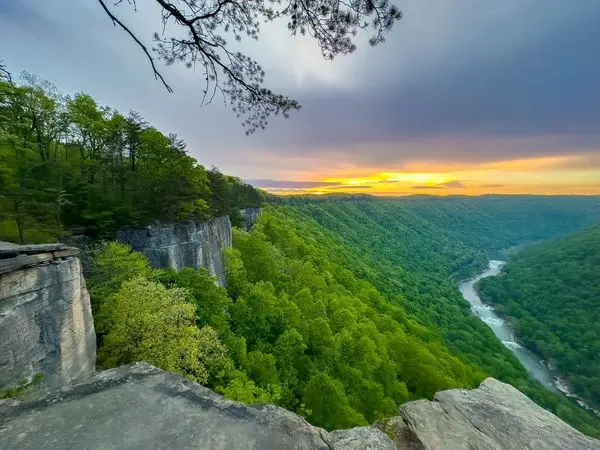
A two-hour jet-boat run on the New River Gorge isn’t just about speed; it’s a way to reframe a landscape you might otherwise only glimpse from overlooks and trailheads. The New River is old in the geological sense—one of North America’s most ancient waterways—its current having carved a canyon that plunges nearly 1,000 feet at its deepest. That slow, patient erosion has created pockets of whitewater, broad pools, and cliff faces scored with coal seams and fossils. From the water, the bridge—completed in 1977 and the long, graceful arch it forms—feels less like engineering and more like punctuation.
Local history threads through the ride. Coal towns once lined the river, their names stamped into railroad timetables; the gorge carried both freight and a tough Appalachian culture forged in steel and shale. Today, the New River Gorge is a quieter economy of climbers, kayakers, and those drawn by the scenic authority of the bridge. The jet-boat tour redesigns that old commercial energy into a pleasure loop—guests get the acceleration and spray of sport, plus a guided primer on how the gorge came to be and the human stories that cling to its banks.
The geology is the real star: sandstone and shale bedrock, river-sculpted alcoves, and the occasional fossil pointing back to tropical seas. On an autumn run the river acts like a mood ring; it burns with maples and oaks, then shifts to cooler blues where the gorge narrows and shadows deepen. In summer, the water is a relief, a concussive element that pushes back heat. Winter flips the script—ice-flourished ledges and a quieter river that seems almost sentimental about the history it keeps.
Practicalities anchor the romance. This Viator-run experience runs about 120 minutes, and the operator provides a roughly 30-minute shuttle from central Fayetteville to the marina—no heavy hiking required. There are no age restrictions, which makes it an easy family outing, but the ride is fast and open to the elements; bring layers and a sense of motion tolerance. Tours run multiple times per day in season and include narration—so you’ll get local lore, geology, and pointers to the best photo angles as part of the price. Booking online is instant-confirmation, and most operators offer free cancellation windows, an essential perk if weather looks marginal.
Safety is straightforward: life jackets provided, crew briefings before departure, and captains who know when to temper the throttle for young passengers or wildlife sightings. Still, you’ll want a waterproof phone pouch and sunglasses with a strap. If you’re hoping for views of the bridge without the boat’s wake, time your trip for early morning or late afternoon when the light slants across the gorge and day boats thin out.
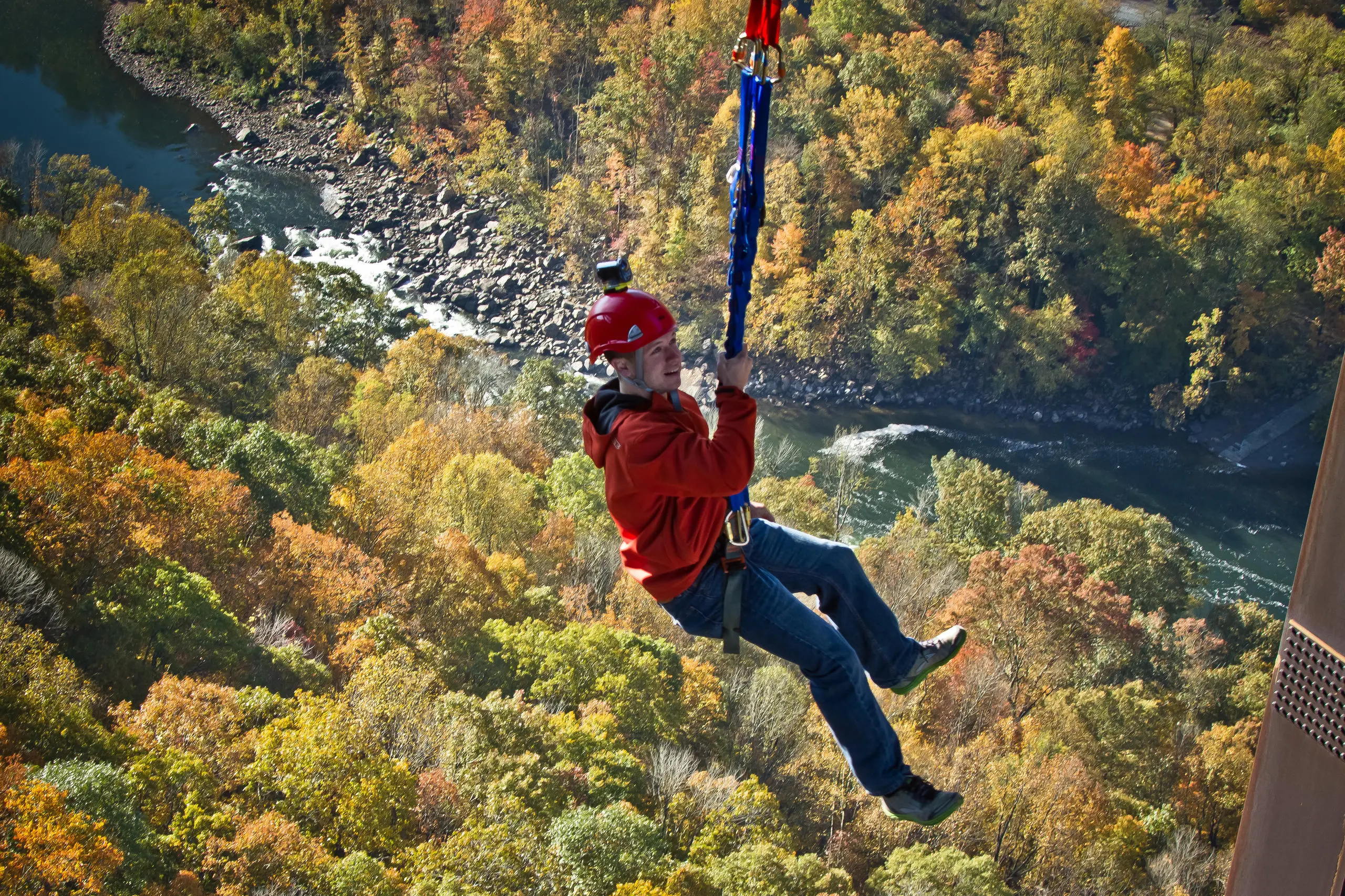
Culture here feels locally curated. Fayetteville’s revival as a gateway town—filled with outfitters, a handful of good pubs, and porch-side cafés—means you can string this trip into a whole-day itinerary: morning climb or a canopy tour, mid-day jet-boat, then a slow local dinner. For photographers and scenic junkies, the eye candy never stops: rock textures, curved bridge lines, and river glass punctuated by ripples.
To plan it right: aim for shoulder season if you want fewer boats and dramatic color—late September into October is especially good. If you prefer warm weather and swimming stops, July is your month. Expect variable cell service once you’re tucked into the gorge; treat it like a digital detox. Finally, pick an operator that emphasizes environmental respect—this is a National Park area, and boating responsibly keeps the shoreline and habitats healthy for the next visitor.
A jet-boat on the New River Gorge is, in essence, a compact, high-visibility way to understand this place’s scale and story. It’s accessible, social, and big on spectacle without asking you to be an expert. Whether you come for the adrenaline or the angles for your camera, you leave with a very clear sense of why this canyon has kept people coming back for generations.