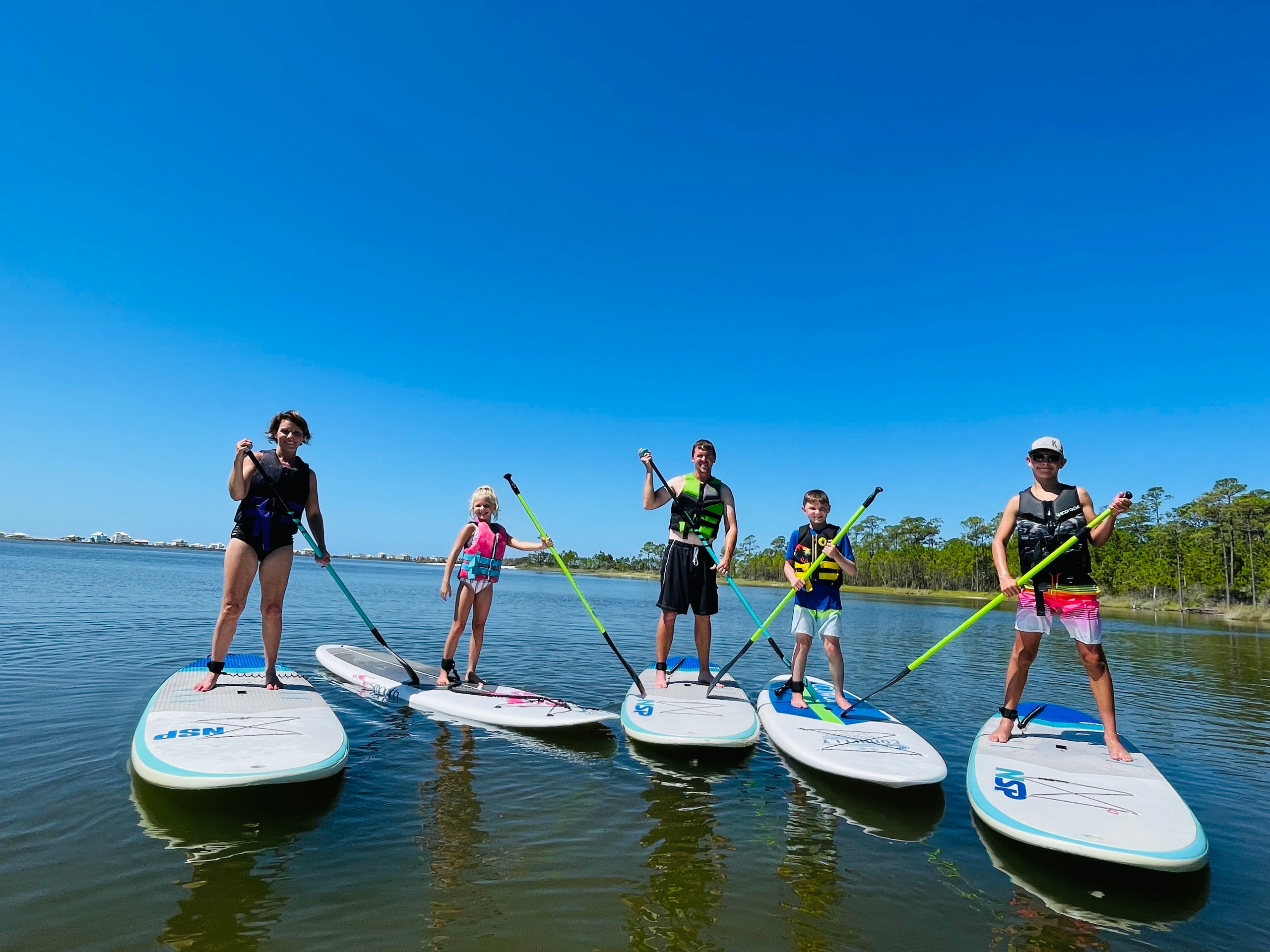
Gliding Little Lagoon: Paddle-Boarding the Calm Heart of Gulf Shores

Gliding Little Lagoon: Paddle-Boarding the Calm Heart of Gulf Shores

Shallow, sheltered, and perfect for beginners — paddle the protected waters of Little Lagoon

Continue Reading

There’s a particular silence on Little Lagoon before the sun climbs fully over the barrier island — a low, marine hush broken only by the slap of a paddle and the sometimes-surreptitious exhale of a dolphin. Step off the sugar-sand ramp and your board flattens the water like a page waiting to be written on; reeds tilt like attentive readers. On mornings when the wind hasn’t learned its way into the day, the lagoon is a mirror that dares you to make the first mark.

This is the kind of place Pure Aloha Adventures steered its permission toward — calm, protected, shallow waters inside the Bon Secour National Wildlife Refuge that reward balance and patience. Their Gulf Shores paddle boarding lessons and tours (bookable here: https://app.advcollective.com/local-experts/gulf-shores-paddle-boarding-lessons-and-tours) are built around that refuge’s quiet geometry: seagrass flats, narrow tidal channels and dunes folded against the blue horizon. It’s not a racecourse; it’s a classroom and a gallery, all at once.

History and habitat here are braided. Little Lagoon is an estuary carved by tides and storms and held in place by the barrier islands of Alabama. For decades locals have relied on these waters for recreation and foraging; today the Bon Secour National Wildlife Refuge protects those same habitats for migrating birds, nursery fish, and the odd curious human. A paddleboard turns you into a small, nonintrusive visitor — high enough to keep your feet dry, low enough that you feel part of the ecosystem.

Geologically, the lagoon is a shallow bowl of sand and silt with interlaced marsh edges that filter nutrients and anchor the coastline. That shallow profile is exactly why stand-up paddleboarding (SUP) works here: no towering swell, very little current, and a visibility that lets you watch juvenile fish spool through seagrass beds like bright threads. Culturally the area is Gulf Coast at its hospitable best: daytime sand play, sunset shrimp boats, and a local pride in fisheries and shoreline stewardship that shows up in small ways — signage asking paddlers to avoid nesting areas, and operators who provide reef-safe sunscreen and strict gear sanitation to limit invasive species.

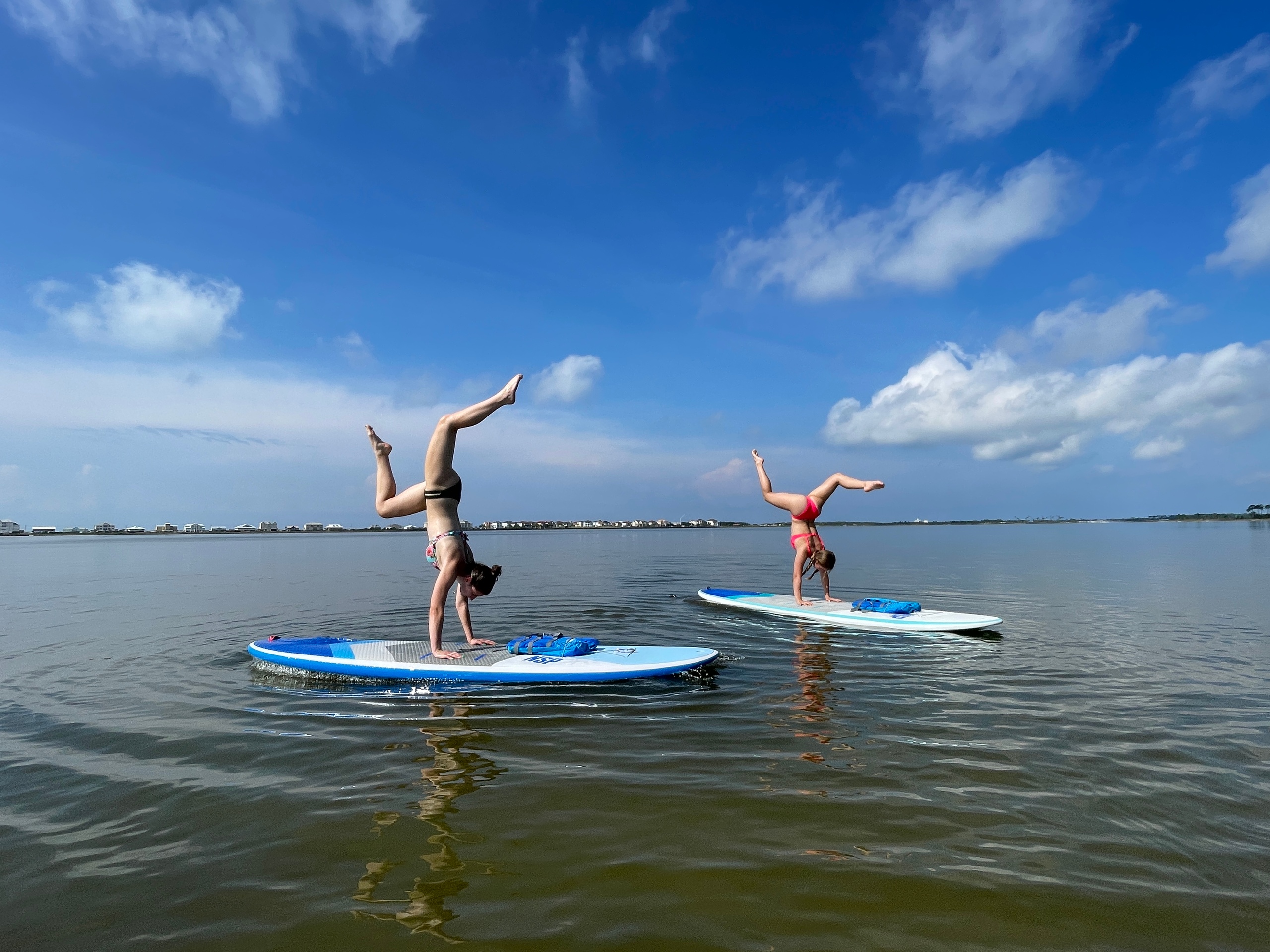
Why you should go: the lessons are designed to convert nervous first-timers into confident paddlers in about 75 minutes. Pure Aloha supplies high-quality, rigid boards, adjustable paddles, leashes, lifejackets and dry bags, so you only need to bring curiosity and a willingness to get a little wet. The tours are beginner-friendly but still satisfying for experienced paddlers who want a relaxed morning paddle or some SUP yoga posed for a social feed — digital photo packages are available for those Instagram-ready moments. Bookings blend instruction and exploration; instructors coach posture, stroke mechanics and tidal etiquette in short, actionable bursts, then send you out into a guided circuit where wildlife and quiet views do the rest.

Practicalities you’ll appreciate: lessons run about 1 hour and 15 minutes, and mornings are best before winds rise and afternoon showers build. Little Lagoon’s shallow profile makes it comfortable for kids, teens and grandparents provided guests are comfortable in the water and can float or do light swimming. If part of your group prefers kayaks, the operator accommodates mixed bookings — just reserve the right craft at the same time and place (link to book: https://app.advcollective.com/local-experts/gulf-shores-paddle-boarding-lessons-and-tours).

Safety and sustainability are part of the pitch. Keep distance from loafing shorebirds and nesting spots, avoid paddling directly through seagrass beds, and anchor any snacks in dry bags to prevent crumbs from leaching into the habitat. The guides carry whistles and life jackets and will brief you on wind, tide and the day’s wildlife notes before launch.

Getting the most out of the experience means thinking like a paddler: a stiff core, relaxed knees, and a low center of gravity make the early learning curve feel manageable. Hydrate before you go; the Alabama sun can climb quickly. Bring reef shoes if you want to step off the board into shallow flats; boards can be a little slippery when wet. And take a moment to let the place work on you — the lagoon’s quiet has a way of tuning out the rest of the itinerary.

Whether you come for the family-friendly calm, the wildlife sightings, or a first look into SUP yoga, Little Lagoon offers a small, precise taste of Gulf Shores that’s both gentle and unforgettable. Book a lesson, stand up, and let the lagoon’s mirror teach you to move with the water: it’ll reflect more than just your silhouette.

Duration1–1.5 hours
Plan your visit

Trail Wisdom

Go Early

Morning sessions avoid wind and produce the calmest water and the best light for photos.

Wear Reef Shoes

Shallow launches and seagrass flats are easier on your feet and give better traction when entering or exiting the board.

Bring a Dry Bag

Protect your phone, keys, and snacks from splash and the occasional intentional submersion.

Respect Wildlife Zones

Keep distance from nesting shorebirds and don’t paddle through dense seagrass beds to avoid habitat damage.

Local Knowledge

Hidden Gems

  • Paddle the narrow tidal channels at low tide to see juvenile fish in the seagrass
  • Walk the nearby Gulf State Park Pier at sunset for a different coastal perspective

Wildlife

Dolphins, Ospreys and Herons

Conservation Note

Commercial operators are permitted to work in the refuge and follow strict guidelines — stay on designated launch areas, avoid nesting sites, and minimize contact with seagrass to protect nursery habitat.

Little Lagoon and the bordering Bon Secour National Wildlife Refuge protect coastal marshes and dunes that have supported local fisheries and migratory bird routes for generations.

Seasonal Guide

spring

Best for:Mild temperatures, Migratory birdwatching, Calm winds
Challenges:Unpredictable showers, Occasional chilly mornings

Spring offers some of the calmest water and excellent bird activity — pack a light jacket for cool starts.

summer

Best for:Warm water, Long daylight, Family outings
Challenges:Higher humidity, Afternoon thunderstorms, Crowds on weekends

Summer is warm and sunny; aim for an early launch to beat storms and heat.

fall

Best for:Clear skies, Reduced bugs, Comfortable temperatures
Challenges:Occasional tropical weather in hurricane season

Fall’s cooler air makes paddling comfortable and the lagoon less crowded after peak summer.

winter

Best for:Quiet water, Off-season rates, Clear light
Challenges:Cooler water temperatures, Colder mornings

Winters are mild by northern standards but bring layers and a windproof jacket for comfort.

Photographer's Notes

Shoot low to the water to capture reflections and depth; use a polarizing filter to reduce glare and bring out seagrass color, and switch to a fast shutter (1/500s or faster) for dolphin or bird action. Golden hour morning light flatters skin tones and the lagoon’s textures — bring a waterproof case or dry bag for your camera.

What to Bring

Reef Shoes

Essential

Protects feet on shallow flats and gives traction on wet boards.

Reef-Safe Sunscreen

Essential

Protects skin while minimizing harm to marine life and seagrass beds.

○

Light Wind Shell

Useful on cool mornings and breezy afternoons.

Dry Bag for Phone/Keys

Essential

Keeps electronics and essentials dry while you paddle.

Common Questions

Do I need prior experience to join a lesson?

No — lessons are designed for beginners and will teach stance, stroke, balance and basic safety in about 75 minutes.

Is this suitable for children and older adults?

Yes — groups often include kids and grandparents; guests should be comfortable in the water and able to float or do light swimming.

What should I wear?

Swimwear or quick-dry clothing is best; bring a hat, sunglasses with a strap, and a light jacket for cool mornings.

Do you provide lifejackets and boards?

Yes — high-quality rigid SUPs, adjustable paddles, leashes, lifejackets and dry bags are provided by the operator.

Can we mix kayaks and SUPs in one booking?

Yes — simply book each craft separately for the same time and launch location so your group can paddle together.

What is the cancellation policy or bad-weather plan?

Operators typically reschedule or offer refunds for unsafe conditions like high winds or storms; check the booking confirmation for specific policies.

What to Pack

Water bottle (rehydration), reef shoes (shore entries), reef-safe sunscreen (skin and environment protection), light wind shell (cool mornings/wind)

Did You Know

Little Lagoon’s seagrass beds serve as critical nursery habitat for juvenile game fish like redfish and spotted seatrout — those grasses are essential to the Gulf ecosystem.

Quick Travel Tips

Book a morning slot, check wind forecasts, bring reef shoes, confirm meeting location and time with operator

Local Flavor

After your paddle, head to The Hangout or Lulu’s at Homeport Marina for fresh Gulf seafood, cold local beers, and live music; if you prefer something quieter, grab oysters and a sunset view near the Gulf State Park Pier.

Logistics Snapshot

Closest airport: Mobile Regional Airport (MOB, ~45 miles). Driving distance: ~5–10 minutes from Gulf State Park. Cell service: Generally OK near launch but spotty in refuge pockets. Permits: Commercial guides operate under a refuge permit; individual visitors do not need a special permit but must follow refuge rules.

Sustainability Note

This experience operates inside or adjacent to a National Wildlife Refuge — pack out all trash, avoid disturbing nesting birds or seagrass beds, and use reef-safe sunscreen to protect marine life.

Topics