Hold On: An 8-Mile Family Whitewater Run Through Jackson Hole

Hold On: An 8-Mile Family Whitewater Run Through Jackson Hole

An eight-mile Snake River run that’s built for family thrills and beginner-friendly rapids

Continue Reading

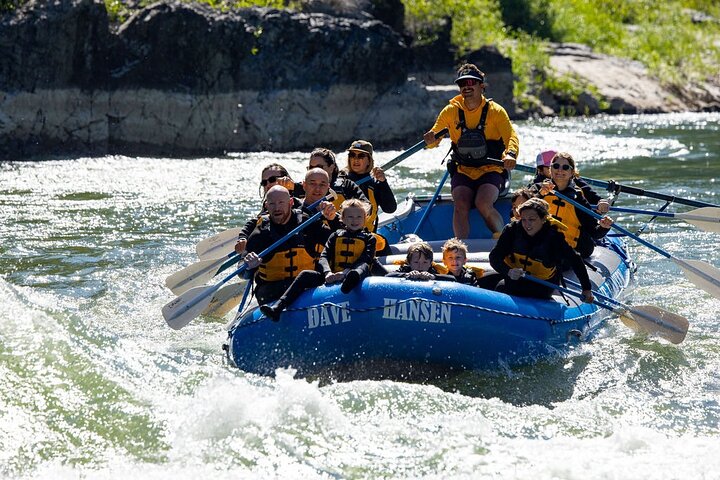
The raft leans into the river like a stubborn animal, skirting a seam of froth that throws water into the air and at us. Kids shriek with the quick, clean joy of being soaked; parents laugh and brace for the next pitch. The guide barks a rhythm—left paddle, right paddle—and the boat surges. On the Snake River, the current seems to be daring you forward, nudging at the bottom of your confidence until you wake up to how simple and satisfying a well-timed stroke can be.

This eight-mile stretch out of Jackson Hole is not a long voyage by any measure, but it squeezes a lot into a single afternoon: water that alternately soothes and hurls, rapids named Kahuna and Lunch Counter that deliver big, wet moments, and quieter pools that let you breathe and look up at the Teton skyline. The "Family Standard Raft" is built for stability—bigger than an inflatable duck but agile enough to read the river. It’s the raft you pick when you want the roller-coaster parts without constant edge-of-your-seat peril, and when you’ve got kids or someone who prefers to be in the middle holding on.

Geology and history are always underfoot here. The Snake River has been carving the valley for millennia, its channel widening and deepening with each glacial pulse. The Teton Range rises like a black serrated line to the west, a reminder that the landscape here is the product of abrupt tectonic lift and patient erosion. Long before modern rafting guides arrived, this valley was home to the Shoshone people and later an artery of fur trappers, ranchers, and settlers. Today the river threads National Park and National Forest boundaries, an outdoor corridor where wildlife and human activity coexist in a managed but lively fashion.

The cultural hum of Jackson is never far away. A short drive from the launch, the town is a compact western postcard—wooden signs, art galleries stacked with landscape paintings, and bars serving hearty elk chili and local IPAs. That local flavor makes the trip feel like more than a morning adrenaline fix; it’s an access point to a place with a working community and a particular relationship with the natural world.

Practicalities are part of the satisfaction. The trip runs roughly four hours from meeting to drop-off, including a safety briefing, short drive to the put-in, and the run itself. Price starts at about $120 per person, which covers guides, safety equipment, and transportation. Expect to paddle—guides ask for participation on most rapids—so you don’t just ride the river, you help steer it. You’ll still get big splashes at rapids with character names like Lunch Counter and Kahuna, but the greater stability and larger tube design of this raft type make it a smart choice for families and mixed-ability groups.

Water here is fed by snowmelt, which keeps temperatures brisk well into summer. That coolness is part of the river’s personality: it keeps algae down, clarity up, and moments of heat-shock refreshment frequent. Guides commonly outfit guests with life jackets and helmets; some operators offer splash jackets or wetsuits when the conditions demand extra insulation. Bring a dry bag, or better yet, mount your camera on a wrist strap; the river is eager to collect loose phones.

For families, the narrative splits into two simultaneous tracks: the whitewater story and the narrative of learning. Kids will often remember the first time they peel a paddle through a boil and feel the boat respond. Parents will remember doing it with fewer frayed nerves than they expected. Guides lean into that learning arc—clear commands, a brisk demonstration, and coaching that dials up confidence without theater.

If you’re planning the trip, aim for mid-morning or early afternoon departures to catch light that flatters the Tetons and avoids the coldest hours. Peak season runs late spring through early fall; snowmelt in May and June brings higher, faster water and bigger rapids, while July and August mellow the river slightly but bring more crowds. A well-timed trip is a balance of flow, temperature, and the kind of rapid you’re hoping to encounter.

Safety and stewardship are practical edges to the romance. Guides are trained in swiftwater rescue and know these miles intimately; they’ll brief you on float position, hand placement, and what to do if you swim. Leave no trace applies as much to rivers as it does to trails—pack out plastics, respect wildlife, and keep sunscreen and pollutants from the water. The river may ask you to loosen your grip on certainty, but it expects respect in return.

At the end of the run, when the last riffle lays you down and the raft nosed into a sandbar or dock, there’s always a collective recalibration: hair plastered to foreheads, sunburn starting on exposed calves, faces split into easy grins. You walk away with wet shoes, better paddling form, and a memory of the Snake’s mood—capricious, inviting, and shockingly immediate.

How to make the day even better? Grab a burger and a local beer back in Jackson, or find an art gallery window that frames the Tetons through someone else’s idealized brushstrokes. Give kids hot cocoa and a story about the river’s older names. Above all, leave some plans loose; this is the kind of trip where a moment of pause—watching a heron lift from a bend, say—becomes a highlight.

This is whitewater as initiation and as family ritual. For four hours, the river takes you somewhere useful: a place of measured risk, teachable moments, and a real, physical laugh when a wave finds its mark. It’s the kind of afternoon that reconfigures how you think about travel—less as ticked-off boxes, more as a handful of loud, wet, and quietly instructive experiences.

Duration4 hours
Group Size1–16 Guests
LanguagesEnglish
Rating4.9 (1011 reviews)
Plan your visit

Trail Wisdom

Dress for cold water

Even in summer the Snake River is glacier-fed; wear quick-dry layers and consider a splash jacket or wetsuit if you run cold.

Secure valuables

Use a waterproof dry bag or leave phones and keys at the meet-up; unsecured items are likely to be lost in a flip.

Listen to your guide

Paddle commands are concise and intentional—following them improves safety and the overall ride.

Timing matters

Mid-morning runs catch better light and slightly calmer crowds than late afternoon; book accordingly.

Local Knowledge

Hidden Gems

  • Sandbars below take-out popular for a quick picnic and wildlife viewing
  • Short hiking spur near the launch with views back toward the Tetons

Wildlife

Bald eagle, Moose

Conservation Note

Operators follow strict Leave No Trace practices and partners coordinate with park and forest services to minimize impacts on riverbanks and wildlife; pack out all trash and use biodegradable sunscreen where possible.

The Snake River corridor has long been a travel route for Indigenous peoples, and later became central to fur trapping, ranching, and western settlement in the Jackson Hole valley.

Seasonal Guide

spring

Best for:High-flow rapids, Watching runoff, Early-season discounts
Challenges:Cold water, Unpredictable weather, Higher technical difficulty

Spring brings powerful snowmelt and bigger rapids—exciting for thrill-seekers but colder and more dynamic; guides may require wetsuits.

summer

Best for:Warmer air temps, Family-friendly runs, Long daylight
Challenges:More crowds, Warmer but still chilly water, Limited last-minute availability

Summer is the most popular time for family trips—air is warm but the river stays cool; book in advance for weekend slots.

fall

Best for:Fewer crowds, Clear light for photos, Crisp air
Challenges:Shorter days, Cold mornings, Lower flows late season

Fall offers quieter launches and dramatic light with cooling temperatures; flows can be lower but still enjoyable.

winter

Best for:Off-season planning, Learning about the region, Lower operator availability
Challenges:Most outfitters closed, Very cold conditions, Limited services

Winter is largely off-season for river running here; most commercial rafting stops by late autumn due to snow and ice.

Photographer's Notes

Shoot from low angles during calmer stretches to capture the raft against the Tetons; use a fast shutter (1/500s+) to freeze splashes and a polarizer to reduce glare on sunny days. Strap cameras securely and avoid removing them during big rapids.

What to Bring

Quick-dry clothing

Essential

Dries fast and keeps you comfortable when you get soaked.

Closed-toe water shoes

Essential

Protects feet on rocky put-ins and provides grip in the raft.

○

Lightweight waterproof jacket or splash top

Adds warmth and wind protection during colder months or high-water runs.

Dry bag and wrist-strap for camera/phone

Essential

Keeps valuables dry and secures them to you if you capsize.

Common Questions

How long is the rafting trip?

The full experience is about four hours from meeting to drop-off, including safety briefing, transport to the put-in, and the eight-mile river run.

Is this trip suitable for kids?

Yes—this Family Standard Raft is designed for families and mixed-ability groups; children should be comfortable following guide instructions and wearing a life jacket.

What should I wear?

Wear quick-dry clothing and closed-toe water shoes; bring a hat and sunscreen. In colder months ask the operator about wetsuit or splash jacket availability.

Do I need prior rafting experience?

No—guides provide instruction and manage technical maneuvers; some paddling participation is expected.

What’s the water temperature like?

The Snake River is snowmelt-fed and remains cool even in summer; expect brisk water and bring layers if you run cold.

Are reservations required?

Yes—this experience often sells out during peak season and requires manual confirmation, so book ahead to secure your preferred date and time.

What to Pack

Water shoes for traction, quick-dry clothing for comfort, sunscreen to protect exposed skin, dry bag to keep electronics safe

Did You Know

The Snake River’s path through Jackson Hole was shaped significantly by Pleistocene glaciations and the uplift of the Teton fault, exposing dramatic vertical relief in a relatively short distance.

Quick Travel Tips

Book morning slots for better light; bring layers for changing temps; inform the operator of any mobility concerns ahead of time; tip guides in cash if possible

Local Flavor

After the run, head back to Jackson for a local elk burger and a craft beer at a downtown pub, or warm up with coffee and a pastry at a bakery. Wander the Town Square for Western art, or visit a local ranch store to pick up a hat as a souvenir.

Logistics Snapshot

Closest airport: Jackson Hole Airport (JAC); Typical meeting point: Jackson, WY; Driving distance to put-in: usually 10–30 minutes; Cell service: intermittent along river; Permits: none for commercial trips, but check park entry rules if combining with other activities

Sustainability Note

This river corridor runs through protected lands—pack out all trash, avoid single-use plastics, and use reef-safe sunscreen to limit chemical runoff into the water.

Topics

Included

  • Personal Floatation Device
  • Fun!
  • Paddle
  • Guide

Good to Know

  • Public transportation options are available nearby
  • Travelers should have at least a moderate level of physical fitness
  • Does not include any food
  • You will get soaked on this trip! So please wear synthetic clothing, no cotton!
  • Bring a backpack and a place to leave dry clothes on the bus while you are out on the water!
  • Guests 16 and over will be charged a $3 Bridger Teton National Forest User fee at check in