Snake River Surge: An 8-Mile Whitewater Run Through Jackson Hole

Snake River Surge: An 8-Mile Whitewater Run Through Jackson Hole

Three hours, eight miles, and a fresh perspective on the Tetons—an accessible whitewater run that rewards attention and curiosity.

Continue Reading

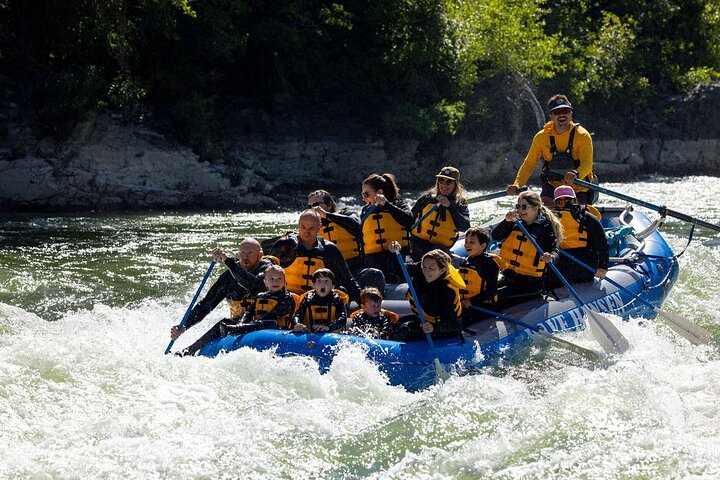
The raft bobs like a living thing against the current, the Snake River tugging and coaxing as the valley opens around us. Pine-scented air hits first, then the sound—water flinging itself over rocks, a nervous orchestra that tightens into whitewater. For three hours you ride that music: quick, powerful Class III drops that surge and settle, quiet eddies that let you breathe and look up at the Teton skyline. It feels immediate and local, a short but concentrated way to know Jackson Hole from the river rather than the road.

This 8-mile, 13-kilometer stretch of the Snake is modest in distance but rich in context. The Snake River carved its path through a landscape shaped by violent geology and patient ice—an uplifted graben at the feet of the Teton Range, then polished and carved by glaciers during the last Ice Age. Indigenous Shoshone and Bannock peoples hunted and traveled these valleys for millennia; later, fur trappers and settlers used the river as both barrier and corridor. Today the Snake is a draw not just for thrills but for perspective: from the middle of the channel you see how land, water, and human story align in a single frame.

The experience balances adrenaline with scenery. Rapids push you hard enough to feel competent and alert without the technical demands of expert river runs—this is Class III whitewater, the sweet spot for families and recreational paddlers who want excitement without overcommitment. Between the rapids, the river loosens into glassy bends where bald eagles wheel and the cottonwoods whisper. Moose occasionally browse the shorelines; otters slip between rocks. The river has an agency here—sometimes playful, sometimes assertive—daring you forward while offering moments to watch and listen.

Culturally, Jackson Hole is as much a frontier town as it is a modern outdoor hub. In town you’ll find antler arches at the Town Square, a cowboy aesthetic that nods to ranching roots; on the river, the landscape recalls that ranching past in long summer light and high mesas. Local guides carry more than safety gear: they share stories about trapping routes, working ranches, and the conservation battles that preserved stretches of the Snake for public use. They also know when to point to small things—the scalloped basalt behind a rapid, the way a cloud moves off the Tetons—that reveal geological timescales to anyone with patience.

Practically, this is an approachable trip. It’s three hours from launch to takeout, priced accessibly with a starting fare around $115 per person, and it’s suitable for families and mixed-ability groups. Guides provide helmets, life jackets, and paddles; you’ll be instructed in synchronized paddling and how to brace for a splash. The river’s temperament is seasonal—higher, faster flows from snowmelt in late spring; more stable, warmer water in mid-summer. Arrive early to avoid midday crowds and to take advantage of cooler air.

What to expect on the water: salty, quick laughter after a rapid; the snap of spray on your face; a sudden hush when the raft slips into an eddy and the landscape leans in. The river is not indiscriminate. It tests your attention and rewards it. Wear water-friendly shoes, bring a small waterproof camera or a dry bag for your phone, and layer for sun and wind. Hydrate before and after—you’ll burn energy and lose water faster than it feels like you should.

Safety and stewardship are built into the rhythm of the trip. Guides brief groups on river etiquette, wildlife encounters, and the importance of leaving no trace. Jackson Hole’s outdoor industry leans heavily on sustainable practices; many operators participate in river cleanups and habitat preservation. That’s part of the appeal: this isn’t a one-off thrill, it’s a piece of an ecosystem that warrants respect.

For planning, Jackson is the logical base: a small town with big-outdoor infrastructure. After a run, you can trade river boots for a local brew at Snake River Brewing, grab a bison sandwich downtown, or drive a short way to Dornan’s for riverside views and hearty lodge food. The sensory arc of the day—from the river’s immediacy to a warm meal in town—wraps the adventure in comfort.

Because the run is short and intense, it’s ideal for travelers who are time-constrained but crave a meaningful outdoors experience. Families with older kids, mixed-skill friend groups, and solo travelers looking to plug into local guiding expertise will all find value. And for photographers, the combination of dynamic water, wildlife, and mountain backdrops yields frames that feel cinematic without long approaches.

If you go: time your visit for July when flows balance warmth and excitement. Bring a sense of readiness rather than bravado—listen to guides, wear what keeps you warm and mobile, and leave space to watch. The Snake River here is a teacher: it nudges you into motion, offers a view of deep geologic time, and, if you pay attention, returns you to shore with a clearer sense of place.
Duration3 hours
Group Size1–14 Guests
LanguagesEnglish
Rating4.9 (438 reviews)
Plan your visit

Trail Wisdom

Wear secure, closed-toe water shoes

Rocks and occasional swim moments make secure footwear essential for safety and comfort.

Bring a reusable water bottle

Hydrate before boarding and refill after—physical exertion and sun at altitude dehydrate quickly.

Listen to your guide

Guides give concise safety instructions that keep the raft stable through Class III sections—follow commands promptly.

Protect electronics

Use a small dry bag or waterproof case for phones and cameras to prevent damage from spray.

Local Knowledge

Hidden Gems

  • Paddle-out viewpoints near Dornan’s for unobstructed river panoramas
  • Short pullouts along Highway 26/89 for quiet river overlooks and birdwatching

Wildlife

Moose, Bald Eagle

Conservation Note

Many outfitters participate in river cleanups and habitat protection; visitors are encouraged to follow Leave No Trace and respect shoreline wildlife zones.

The Snake River corridor was used for centuries by Shoshone and Bannock peoples and later by fur trappers and settlers; Jackson’s ranching history still shapes local culture.

Seasonal Guide

spring

Best for:Heightened rapids, Wildflower viewing
Challenges:Cold water temperatures, Higher flows can be pushier

Spring brings snowmelt-driven flows that make rapids more powerful—great for thrill-seekers but colder and more technical.

summer

Best for:Warmer water, Family-friendly runs
Challenges:Higher visitor numbers, Strong sun exposure

Mid-summer is the most popular time: warmer air and water, more stable conditions, and ideal for families.

fall

Best for:Crisp light for photography, Fewer crowds
Challenges:Early cold snaps, Reduced service availability

Fall offers beautiful light and quieter rivers, though temperatures can drop and some outfitters reduce schedules.

winter

Best for:Scenic contrast from shore, Off-season planning
Challenges:Rafting operations largely closed, Cold and snowy conditions

Rafting trips are generally not offered in winter; the river and valley are at their coldest and least accessible.

Photographer's Notes

Use a polarized lens to cut glare and deepen skies; set a fast shutter for rapids (1/500s+), switch to a slower shutter for smooth-water long exposures, and keep a waterproof camera or case handy for close river shots.

What to Bring

Closed-toe water shoes

Essential

Protects feet on rocky launches and provides grip in the raft.

Quick-dry clothing

Essential

Dries fast after splashes and keeps you comfortable through changes in temperature.

○

Light waterproof jacket

Useful for cooler spring runs or windy afternoons to block spray and wind.

Sunscreen and polarized sunglasses

Essential

Protects skin and reduces glare off water for clearer views and safer navigation.

Common Questions

Is this trip suitable for children?

Yes; the run is family-friendly and designed for mixed-ability groups, but children should meet the operator’s minimum age requirements and be comfortable with water.

What should I wear?

Quick-dry layers, closed-toe water shoes, and sun protection are best—bring a lightweight jacket for cooler mornings.

How physically demanding is the trip?

It’s moderate: you’ll paddle intermittently and need to follow guide commands, but no prior rafting experience is required.

What happens if the weather turns bad?

Guides monitor conditions closely; trips may be modified or canceled for safety with most operators offering free cancellation policies.

Are photos allowed?

Yes—use a waterproof case or dry bag; many guides will stop at calmer sections for photos.

How do I book and cancel?

This tour offers instant confirmation and free cancellation—book online at the operator link and review their specific cancellation window.

What to Pack

Water bottle for hydration; closed-toe water shoes for rocky launches; quick-dry layers for comfort; sunscreen for high-elevation sun protection

Did You Know

Jackson Hole’s valley is a geologic graben formed by faulting along the Teton Range and was heavily sculpted by glaciers during the last Ice Age.

Quick Travel Tips

Book morning departures to avoid crowds; leave valuables in your hotel or a locker; remember Jackson’s elevation (~6,200 ft) affects exertion; tip guides for good service.

Local Flavor

After your run, head to Jackson Town Square for local flavors: breakfast at The Bunnery, craft beer at Snake River Brewing, and steak or elk at the Blue Lion; finish with a cocktail at the Million Dollar Cowboy Bar for a touch of local character.

Logistics Snapshot

Closest airport: Jackson Hole Airport (JAC) / Typical drive to launch: 10–30 minutes from town depending on put-in / Cell service: intermittent along river, reliable in Jackson / Permits: no special permit for commercial runs but check operator requirements.

Sustainability Note

This stretch of the Snake is part of a sensitive ecosystem—pack out all trash, avoid disturbing shoreline vegetation, and follow guide instructions to minimize wildlife disruption.

Topics

Included

  • Local guide
  • Professional guide
  • Transportation from our shop to and from the river
  • Paddles and Splash Gear
  • Local taxes

Good to Know

  • Travelers should have at least a moderate level of physical fitness
  • A minimum of 2 people per booking is required
  • Minimum age is 6 years old
  • All children must be accompanied by an adult
  • Small amount of walking required