Into the Red Silence: Exploring Wadi Rum’s Rugged Desert Heart

Into the Red Silence: Exploring Wadi Rum’s Rugged Desert Heart

A minimalist desert itinerary for hikers, climbers, and campers who want more than a photo-op.

Continue Reading

The wind in Wadi Rum moves like a slow, patient animal — it scours the sandstone faces, lifts ochre dust into small tornadoes, and leaves an echo across a plain that feels older than language. At dawn the valley exhales, and the desert’s palette shifts from bruise-purple to raw copper. A Bedouin tea stand smokes at the edge of the sand, a 4x4 idles like a mechanical camel, and in the distance a slit of sky frames the Seven Pillars of Wisdom, the massif that has anchored travelers for millennia.

There is a cinematic case to be made for Wadi Rum — movies have used it to stand in for Mars — but the place refuses easy metaphors. Its scale is both intimate and enormous: deep gorges cut by ephemeral rivers, monolithic inselbergs of red sandstone and granite that lean like tired giants, and dunes that collect footprints for half a day before the wind erases them. People come for the views, yes, but they stay for the language of the place — the way the desert makes movement itself a kind of conversation.

Wadi Rum is the outcome of time and tectonics. Millennia of wind and intermittent flash floods carved the soft sandstone, leaving ribs and arches where different rock layers meet. The result is a labyrinth of canyons, natural bridges, and sheer faces that have sheltered human passage from the Neolithic through the Nabatean traders and up to the Bedouin clans who still read the landscape as their ancestors did. The Jordanian government protects the area as a UNESCO World Heritage site and a managed protected area; its cultural landscape — including petroglyphs and ancient inscriptions — is woven into modern Bedouin life.

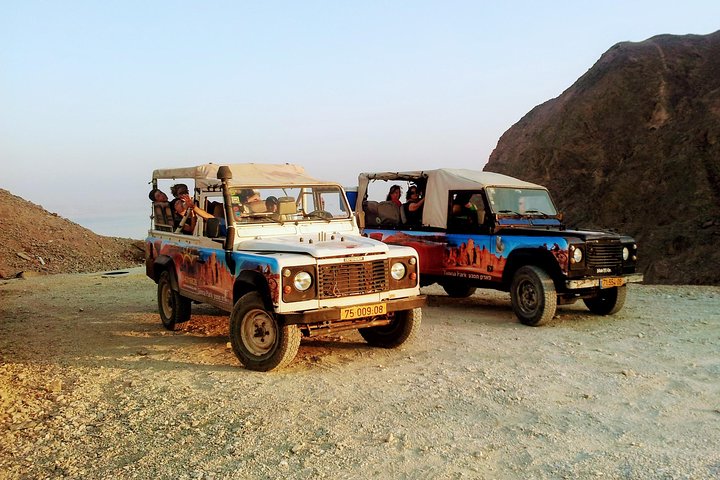
Adventure here is elemental. Day tours by 4x4 thread across the plain, stopping at Lawrence’s Spring, Khazali Canyon with its petroglyphs, and the Martian valley of Um Ishrin. Hikers trade the convenience of a jeep for the intimate rhythms of walking: short scrambles to Burdah Rock Bridge (a popular 3–6 hour outing depending on route), or multiday treks that climb Jebel Umm ad Dami, Jordan’s highest peak, for a sunrise that strips away every pretense. Rock climbers find sustained faces and pockets to test tech and grit; overnight travelers sleep in Bedouin camps where solar lanterns and shared meals replace urban conveniences.

Practically, Wadi Rum suits a range of travelers. If you want panoramic exposure with little fuss, a guided 2–3 hour jeep loop will deliver canyon mouths, rock bridges, and views that are tough to beat. For hikers and climbers looking for challenge and solitude, there are longer routes and technical lines on the granite and sandstone faces. Camping overnight is the default way to extend the day — most camps offer simple but comfortable domes or tents, and the night sky here is a catechism of constellations.

Timing and logistics matter. Summer’s heat can be relentless; the day’s high pushes the sand into a shimmer that blunts appetite and energy. Spring and fall are ideal for hiking, with cooler mornings and calmer winds. Water is non-negotiable — there’s no natural hydration on the ridgelines — and a basic map or a licensed Bedouin guide will keep you off tricky scrambling sections. Footwear should be light but protective: breathable trail shoes with good side-grip, not flimsy sandals. Bring a headlamp for dawn or dusk moves; many of the best viewpoints reward an early start.

The social texture of Wadi Rum is Bedouin hospitality. Staying with a local camp is more than a roof; it’s an entry into stories told over slow tea, into recipes like salted goat with rice, and into the economy of an area where tourism supports families. Responsible visitors pay fair for guiding and camp services and minimize impact by staying on designated tracks, taking waste with them, and avoiding collection of antiquities.

If you boil it down, a trip to Wadi Rum is about translational travel: converting the desert’s stripped-back features into personal experience. A scramble to Burdah Bridge trains you in patience and route-reading; a night under the stars recalibrates your sense of scale. The desert challenges and rewards in equal measure — it asks only that you come prepared, humble, and curious.

For practical planning: allow at least one full day to absorb the main valleys and a night to experience the sky; bring a mix of sun protection and a warm layer (temperatures drop fast after sunset); hire local guides for climbs and multi-hour hikes; and factor travel time from Aqaba (about an hour) or from Amman (three to four hours by road). With that framework, Wadi Rum becomes less a checklist and more a place where pace and presence matter more than kilometers logged.
Duration2 hours–3 days (half-day jeep loops to multiday treks)
Plan your visit

Trail Wisdom

Start before sunrise

Morning light is cooler, shadows add depth to routes, and the best viewpoints reward early starts; aim to be moving by sunrise for hikes like Burdah Bridge.

Carry 2–3 liters of water

There’s no reliable potable water on ridge routes or dunes — hydrate before you go and carry enough for the heat and exertion.

Hire a local guide for technical routes

Guided climbs and longer treks reduce navigation risk and support the local Bedouin economy; guides know safe lines and weather quirks.

Layer for temperature swings

The desert can be hot by day and cold at night; bring a breathable insulating layer and a wind shell for after-sunset comfort.

Local Knowledge

Hidden Gems

  • Khazali Canyon inscriptions — a quieter petroglyph site off the main loop
  • Sunset ridge above the desert plain near Rum Village — great for unobstructed evening light

Wildlife

desert fox (Vulpes vulpes arabica), Nubian ibex

Conservation Note

Tourism supports local livelihoods but also increases resource strain; choose licensed operators, avoid off-track driving, and leave no trace to help preserve the fragile desert ecology.

Wadi Rum has been inhabited intermittently since prehistoric times and bears Nabatean inscriptions; T.E. Lawrence famously used the valley as a base during the Arab Revolt, inspiring the area’s modern mythology.

Seasonal Guide

spring

Best for:hiking, flowering desert plants, cooler daytime temps
Challenges:unpredictable wind, busy weekends

Spring offers ideal temperatures for longer hikes and dramatic contrasts as desert flora briefly greens; expect windier afternoons.

summer

Best for:sunrise photography, nighttime stargazing, short morning scrambles
Challenges:extreme heat, limited midday activity, risk of dehydration

Summer days are very hot and best spent early or late; plan short routes and prioritize shade and hydration.

fall

Best for:multi-day treks, climbing, comfortable daytime temps
Challenges:shortening daylight hours, variable winds

Fall is a sweet spot for longer adventures with stable temperatures, though nights cool earlier than in summer.

winter

Best for:clear skies, cold-weather camping, solitude
Challenges:cold nights, possible rain or flash-flood risk

Winters are chilly after dark but can be excellent for climbing and quiet exploration; bring warm layers and check weather for storm risks.

Photographer's Notes

Shoot early and late for the best light and deep shadows; use a polarizer to saturate skies and cut glare on sandstone; carry a wide-angle for landscapes and a 70–200mm to isolate arches and details; protect gear from sand with sealed bags and change lenses sparingly.

What to Bring

3–4L hydration system

Essential

Keeps you properly hydrated through long, hot sections where no water is available.

Trail shoes with good side grip

Essential

Protective, low-profile footwear handles sand, scree and low-angle scrambles better than sandals.

Light insulating jacket

Essential

Nights get cold quickly; a packable down or synthetic layer is essential for desert evenings.

○

Headlamp with spare batteries

Early starts, late returns, and camp chores benefit from hands-free light.

Common Questions

Do I need a permit to enter Wadi Rum?

No separate visitor permit is required to enter the Wadi Rum Protected Area, but certain activities (e.g., some climbing routes) are best arranged through licensed guides or camps that handle permissions.

How do I get from Aqaba or Amman to Wadi Rum?

Aqaba is about a 1–1.5 hour drive west; Amman is roughly 3.5–4 hours by road. Private transfer, rental car, or tour shuttle are common options.

Is it safe to hike alone?

Short, well-marked hikes can be done solo in good conditions, but for longer or technical routes hiring a local guide is safer and supports the local economy.

Are there accommodations inside Wadi Rum?

Yes — Bedouin camps range from rustic shared tents to luxury bubble domes with private bathrooms; book ahead in high season.

Can I climb in Wadi Rum without gear?

Non-technical scrambles are accessible without specialized gear, but for technical rock routes you’ll need proper climbing equipment and a qualified guide.

What wildlife might I encounter?

Wildlife is sparse but includes desert foxes, ibex in higher areas, and many bird species; nocturnal animals are more active at night.

What to Pack

Sunhat and sunscreen (sun protection), 3L water reservoir (hydration), breathable layers (temperature swings), headlamp (early starts and night tasks)

Did You Know

Wadi Rum was inscribed as a UNESCO World Heritage site in 2011 for its natural and cultural significance.

Quick Travel Tips

Book a Bedouin camp in advance; carry cash for small purchases; refill water in Aqaba or Rum Village before long hikes; rent a 4x4 or arrange transfers through your camp.

Local Flavor

Bedouin hospitality is central: shared evening meals (often rice and lamb), tea ceremonies, and storytelling connect visitors directly with local culture and livelihoods.

Logistics Snapshot

Getting there: 1–1.5 hours from Aqaba; Language: Arabic (English widely spoken in tourism); Money: Jordanian dinar; Emergency: limited cell coverage—carry guide contact info.

Sustainability Note

Prefer licensed guides and camps that employ local staff, minimize single-use plastics, stay on established tracks, and participate in local conservation fees when offered.

Topics