The first pull of the paddle slides you past live oaks and weathered brick, under the steady gaze of Beaufort’s historic waterfront. The river is on the move—always—and this morning it’s cooperative, nudging you east toward the Woods Memorial Swing Bridge. Gulls heckle from the railings. A dolphin exhales close enough to startle a laugh out of the group. The tide dares you to keep time with it. You do, and the Lowcountry rewards you in quiet increments: a glinting surface, a heron balanced like a patient fisherman, the perfume of pluff mud rising with the sun.
This is the "Lowcountry Loop," a guided kayak tour that threads the heart of downtown, slips beneath the iconic swing bridge, brushes the marina, and—if the moon and weather sign off—glides into Factory Creek at high tide or sprawls across a local-favorite sandbar at low. It’s a compact adventure that catches Beaufort in profile, offering waterfront porches, church steeples, and a grid of antebellum streets from a vantage point that feels essential. It’s not just scenic; it’s practical Lowcountry travel. The water is the highway here. If you want to understand Beaufort, start in a boat.
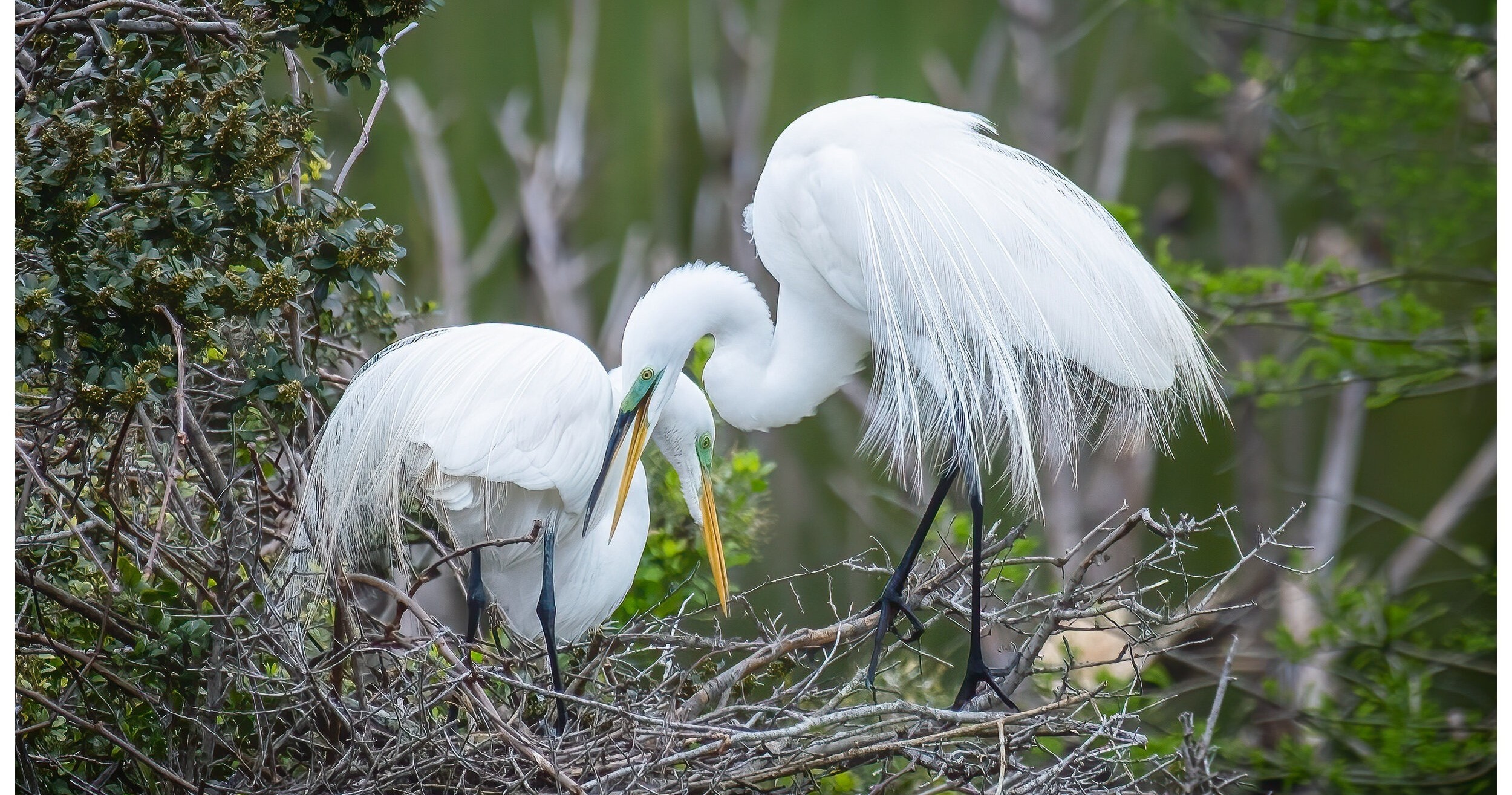
Guides meet you waterside with kayaks, paddles, and Coast Guard–approved PFDs, then give a tidy primer on paddle strokes and tidal etiquette. You don’t need prior experience to enjoy the route, but the river appreciates attention. It pushes; you respond. The group moves as one past the downtown marina, a fisherman’s radio chattering from a center console. Every few minutes, the river shows off—a V-wake of bottlenose dolphins corrals mullet into shallow water; an egret paces the spartina grass, eyes hawk-sharp. The marsh here is alive and opinionated. It breathes with the tide, filters the estuary, and feeds the food chain that feeds the town.
Beneath the Woods Memorial Swing Bridge, you can feel history humming. Opened in 1959, the bridge is as much a personality as a piece of infrastructure—a reminder that the river calls the shots. When a boat needs through, the bridge pivots obediently. Movie buffs might recognize its silhouette from Forrest Gump: in the film’s cross-country run, this was the Mississippi River crossing. Beaufort has a way of doubling as other places on screen while staying unmistakably itself in person.
On a high-tide day, the tour noses into Factory Creek, where backwaters curl behind Lady’s Island, glassy and quiet. Spartina grass stands like green pickets and the current slides you forward like a moving sidewalk. Your guide points out oyster beds and offers a quick primer on why the Lowcountry worships the humble oyster: it filters water, builds reefs, and stabilizes shorelines. On a low-tide tour, the vibe shifts toward beach party. The group hauls out at a sandbar that locals treat like a living room on sunny weekends. You sink an inch into soft pluff mud and laugh at the suction, then rinse off in knee-deep, tea-colored water. It’s a scene, but never loud; the river enforces its own code of civility.
Between strokes, you collect local lore—a thumbnail history of Beaufort (chartered in 1711), a nod to the Gullah Geechee culture that infuses the Lowcountry’s foodways, language, and craft, and a few practical tidbits about where to find shrimp-and-grits worth remembering. The conversation drifts as easily as the kayaks. You’re here for the views, yes, but also to hear the river talk back.
Geology makes the script. The Beaufort River is an estuarine arm of the Port Royal Sound, not a freshwater river at all. Twice a day, the Atlantic breathes in and out, moving millions of gallons through a labyrinth of creeks. That tide sets the tempo for your outing; departure times flex to catch the assist, minimizing hard work and maximizing glide. This is not a sufferfest. It’s a well-timed handoff between you and the water, and it’s surprisingly accessible to first-time paddlers who want more than a lake loop.
From a practical standpoint, the tour keeps it simple: roughly two to two-and-a-half hours on the water with all paddling gear provided. Wear water shoes that won’t bail on you in mud, bring a sun layer, and clip a small dry bag to your seat. Hydrate. Respect the tide’s mood. Dolphins appear often—but never on command. The guides read wind and weather in real time, ready to tweak the route to keep conditions beginner-friendly. If you want to learn to love coastal paddling, this is the gentle on-ramp.
The beauty of the "Lowcountry Loop" is how it knits culture and nature without spectacle. You pass waterfront homes shaded by Spanish moss—live oaks draped like old storytellers—then tuck into a marsh channel where the city drops away. A pelican knifes the water; a crab boat rattles home with the day’s work. The current encourages you to keep moving, but there’s space for small moments. Take them. Line up the bridge in your bow and turn your kayak into a camera slider. Let the scene scroll.
When you’re ready to book or want a local team that understands the tides, consider the experts behind this route. Their guided paddle in downtown Beaufort is crafted for curious travelers more than adrenaline chasers. You’ll find clean logistics, friendly instruction, and a steady stream of wildlife. Prefer a sandbar hangout? The same Lowcountry kayaking tour times departures to catch the best low-tide window. If your idea of a perfect morning blends a touch of history, a little naturalist chatter, and a lot of glide, bookmark this Beaufort kayak tour for your next trip.
Back on shore, the river lets you go. But all that quiet momentum—marsh sighing, bridge turning, tide insisting—follows you to lunch. In Beaufort, the water is never far away.