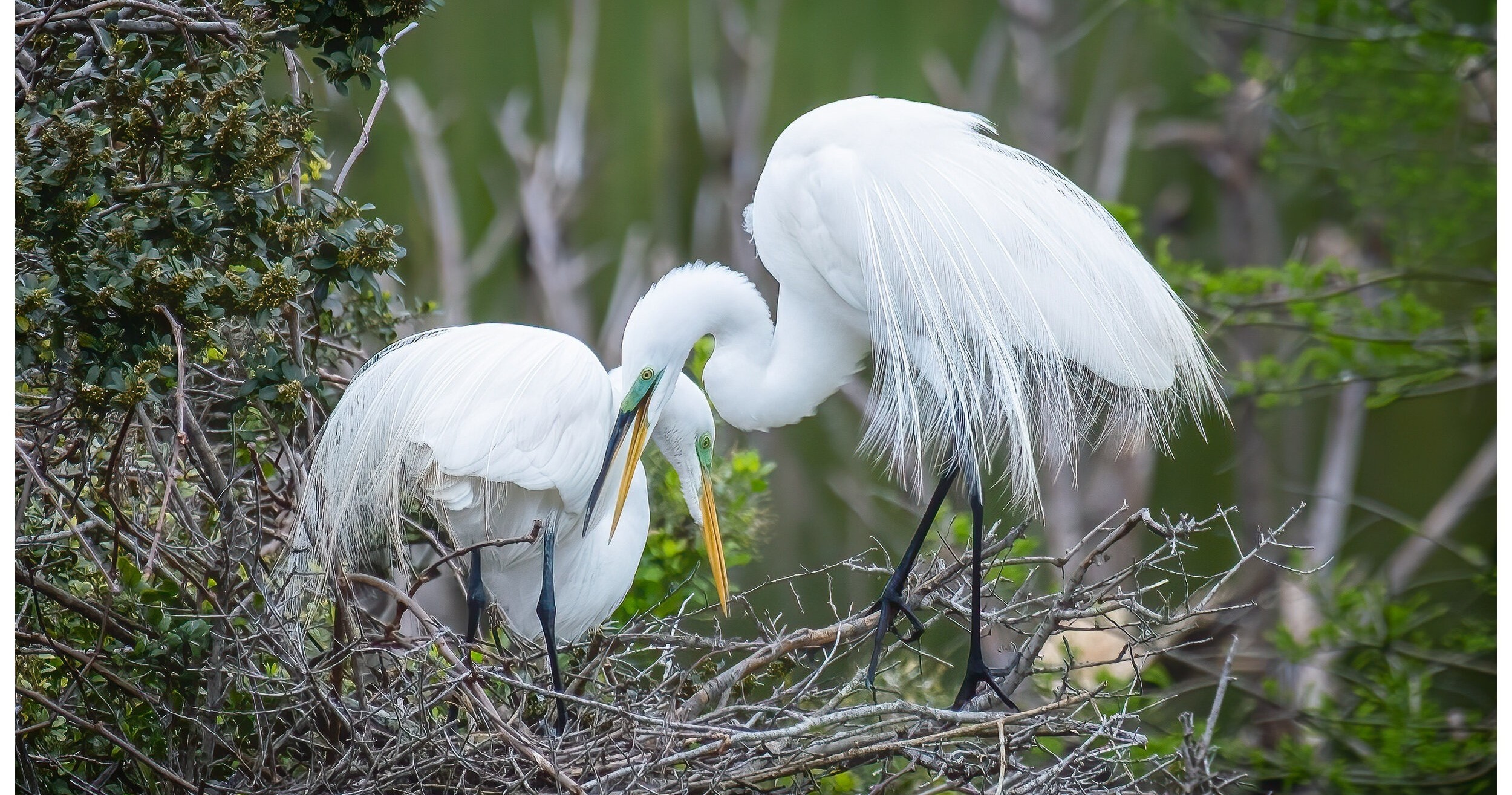
The tide is coming in, and the marsh is waking up. Fiddler crabs clatter at your feet like dropped beads. A snowy egret tiptoes the edge of a pluff mud bank, the wind teasing its lacy plumes. Overhead, an osprey shakes seawater from its wings and levels its gaze on the sound—patient, calculating. This is the Lowcountry’s daily tide-driven theater, and for ninety unhurried minutes you’re in the front row, guided by a local expert tuned to the rhythms of Port Royal Sound.
Beaufort sits in the middle of it all—between barrier islands and blackwater rivers, where spartina grass combs the tide and the salt air keeps time. The land is low but alive, an intricate quilt of maritime forest, oyster reefs, and winding creeks. It’s prime habitat for shorebirds, songbirds, and waders that treat these estuaries like a buffet and a rest stop. On a customized outing—designed around your wish list—you’ll match route and timing to the birds that call these waters home or transit through during migration. Your guide will suggest locations the way a good captain reads water: a quiet impoundment that holds teal at dawn, a shell rake where oystercatchers loaf at mid-tide, or a pine hummock that shelters painted buntings in summer.
This is not a one-size-fits-all loop. Before you lace up, you’ll share your priorities—maybe you’re after roseate spoonbills or you’d like to finally separate a willet from a godwit at distance. With that, a plan forms, and the marsh seems to lean in as if to listen. You might scan from a boardwalk as the tide dares you to follow its push inland, then pivot to a shaded hammock to let warblers announce themselves in the canopy. Along the way, the guide threads in just enough local lore: Beaufort, chartered in 1711, has seen Spanish, French, and English ambitions wash over these shores. During the Civil War, Union forces occupied the town, and nearby plantations transformed under the Port Royal Experiment—an early chapter of self-determination for formerly enslaved people. Today the Gullah Geechee corridor preserves language, foodways, and music that still hum in churchyards and fish shacks. The birds are part of this story, too—migratory routes that long predate any human map.
Geology sets the stage. Port Royal Sound is a drowned river valley with deep channels and powerful tides that breathe life into vast marshes. Twice a day, saltwater surges in, delivering nutrients that fuel oysters, shrimp, and the small fish that draw egrets and herons like white punctuation across green sentences of grass. It’s a living classroom. You’ll learn to read the tide tables the way a birder reads silence: when the flats are exposed, plovers and sandpipers pepper the mud; when water creeps back, waders move to edges and shallow drains. Every minute counts on a short outing, and timing is part of the craft.
The pace is easy but attentive. Expect brief, level walks on packed sand, boardwalks, or sandy trails and plenty of standing as you glass the horizon. Silence matters here—sound carries over marsh, and a quiet group sees more. The guide calibrates the day to what’s moving: a bobbing tern line patrolling the channel, clattering clapper rails in a hidden runnel, red-shouldered hawks that own the maritime forest. If the light is right, you’ll work for detail: leg color, bill length, behavior. If the light is flat, you might chase silhouettes and the way a bird wears the wind. The marsh doesn’t try to impress; it just performs.
Migration seasons turn the dial up. In spring, painted buntings flicker like confetti in the live oaks and warblers stitch color through the understory. In fall, shorebirds ride the flyway south and congregate on quiet sand spits, conserving energy before the next big hop. Summer brings drama in the rookery—herons and egrets commuting like white-caped commuters between feeding grounds and nesting trees. Winter is spare and wide: clearer air, lower humidity, and the subtle satisfaction of picking ducks from a mixed raft or catching a first light kestrel hunt.
Practical matters keep the experience smooth. Wear light-colored clothing; the sun here reflects off water with a stubborn glare. Footing is mostly easy, but closed-toe sneakers or hiking shoes keep you comfortable on boardwalks and sandy stretches. Bring insect repellent; the marsh has its own opinion about who belongs. A brimmed hat, sunscreen, and water are essential year-round. Binoculars elevate the day dramatically—8x to 10x magnification is the sweet spot. If you don’t own a pair, ask about loaners when you book.
For those ready to step into this rhythm, it’s simple to get started. Use this link to book a custom birding tour and coordinate your wish list with a local guide. Prefer to talk habitat first? Read up, then return here to design your perfect 90-minute outing around the tide and season. Once you’re onsite, the marsh will take it from there, nudging the day along with gentle pushes and surprise cameos.
When the session wraps, you’re minutes from classic Lowcountry treats—shrimp burgers, oyster roasts in season, a lazy waterfront where the evening breeze edits out the heat of the day. Birds settle into roost, and you’ll feel it: a simple, durable satisfaction that comes from standing still in a lively place and letting it introduce itself.
Who is this for? New birders curious about the difference between a tricolored heron and a little blue; photographers chasing clean backgrounds and reflected light; families who want to give kids a reason to look up; seasoned listers who know the value of a sharp local eye. Ninety minutes is enough to learn the terrain and find a few anchors—species you’ll remember later by sound, shape, and behavior. And it’s long enough to realize you’ll be back. The tide will make sure of it.
Ready to time your visit to the best window of the day? Check availability and reserve your spot before migration peaks.