Just after the tide turns, the Beaufort River exhales. The current slackens, the marsh inhales its briny breath, and Spanish moss leans down like a host holding the door. You slide a kayak into the water and nudge away from the dock, the swing bridge idling upstream as if deciding whether to yawn open for passing boats. A pelican levels its gaze, then cruises escort across the channel. On calm mornings like this, the river seems to invite you—then dare you—to follow its meanders into history.
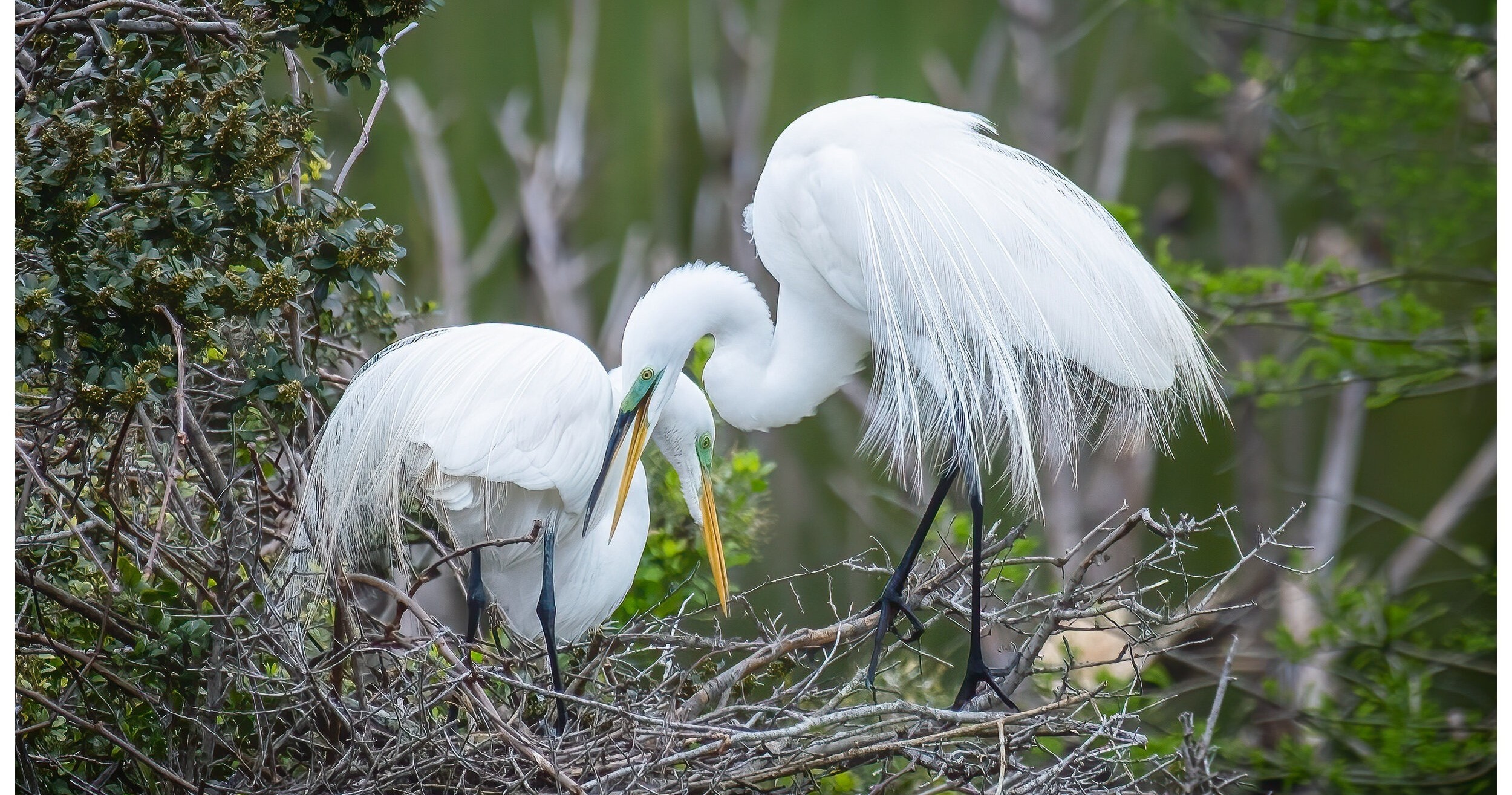
Out here, the Lowcountry’s sense of time is tidal. High water slips you into the quiet backwaters behind gracious homes and mossy live oaks, a side-street version of Beaufort most visitors never see. With Tales & Tides, the pace stays easy, the storytelling steady, and the route tuned to wind and tide. The guide’s paddle whispers along the beam as you pass the riverfront, where porches keep vigil and shrimp boats nod in their slips. When the tide is right, the tour noses into Factory Creek—a calm ribbon where egrets step like careful dancers and the marsh grass shivers with fiddler crabs. At low tide, the river pulls back the curtain on an oyster-studded sandbar, and you can slide ashore to feel the sun on your shoulders and the salt on your lips.
Beaufort’s beauty is not just scenery; it’s narrative. Founded in 1711, the town carries layers of Gullah Geechee culture, Civil War-era Reconstruction history, and maritime traditions shaped by the Port Royal Sound’s broad estuaries. The river you’re paddling once ferried rice, indigo, and later, the hard-won steps of freedom. Names like Robert Smalls—born enslaved in Beaufort, later a Union hero and statesman—surface in the guide’s stories, and suddenly the water under your hull feels like a chapter you can touch. Hollywood noticed, too: Forrest Gump, The Big Chill, and The Prince of Tides all borrowed Beaufort’s light and geometry. You’ll glide past waterfront angles that feel familiar even if you’ve never set foot here, each bend a scene stealer.
The marsh itself has a voice. At flood tide it hushes and lets you pass; at ebb it insists you respect the channels, as oyster rakes bristle above the surface like a stern teacher. Dolphins sometimes arrive without preamble—a dorsal fin arcs like punctuation, then another. If they show, you keep your distance and watch the current do its work. They’re the river’s resident actors, and you’re here to observe, not upstage. On breezier afternoons, the Beaufort River pushes forward with more energy; the guide varies the line, working in the lee of spoil islands and marsh banks where the wind can’t get a good grip.
What makes this paddle sing is its balance. It’s well within reach for first-time paddlers yet still rewarding for experienced ones. Expect roughly 2 to 4 miles on the water over 2 to 2.5 hours, adjusted to keep you traveling with the tide more often than not. That detail matters here. The tide is the quiet engine of your day, deciding which creeks open like secret doors and which carry you effortlessly back to the dock.
For practical travelers, this is a classic half-day adventure: no elevation gain, just a rhythm of paddle strokes, marsh light, and well-timed breaks. Kayaks, paddles, and Coast Guard–approved life jackets are included. You bring the essentials—water, sun protection, shoes that can handle oysters and docks—and a camera if you’re quick on the draw. If you crave more, the guide threads in local intel as you go: where to walk the waterfront afterward, which porch seat catches the best sunset, where to sample she-crab soup worth planning dinner around. Consider it a floating orientation to Beaufort’s soul.
Geology and ecology fans will appreciate the setting as a living lab. These are drowned river valleys fed by the Broad and Beaufort rivers into one of the most intact estuarine systems on the East Coast. Spartina alterniflora marshes breathe in twice daily, feeding nurseries of red drum and shrimp and filtering the water you’re skimming across. Oyster beds sit like fortifications, building reef by reef, and you learn to read them fast—sparkle means shell, and shell means steer clear.
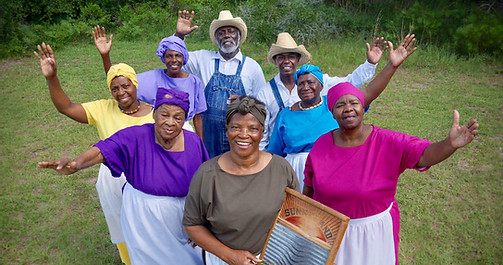
Culturally, Beaufort sits within the Gullah Geechee Cultural Heritage Corridor, a reminder that the tides that shape this place also shaped the lives and lifeways of communities across the Sea Islands. Respect begins with awareness: give shorebirds space, keep your wake low around docks, and leave the sandbar better than you found it. The river returns the favor with light that photographers chase and a calm that lingers long after you’ve hauled out.
Back at the marina, the swing bridge winks into motion and a trawler hums by. You step onto the dock with salt on your forearms and a map of Beaufort sketched in water. Downtown is a short stroll away, but a part of you still moves to the river’s meter—the measured pull of the tide, the steady push of a paddle, the feeling that you just read a story written in currents. If you’re thinking of booking, look to Beaufort Lands End Paddling through Tales & Tides. The tides will do their part. You just have to show up at the right moment.