Paddles and Pedals: Sea Kayaking and Rail-Biking the Ancient Coast of Salamina

Paddles and Pedals: Sea Kayaking and Rail-Biking the Ancient Coast of Salamina

A full-day pairing of sea kayaking past Salamis’s storied waters with a coastal rail-bike ride—history, geology, and active fun within reach of Athens.

Continue Reading

You push off from a small concrete ramp as the sun warms the stone of the quay. The sea exhales salt and light; the water around the kayak answers with a steady lap that feels almost conversational—sometimes encouraging, sometimes insistent. Ahead, low limestone cliffs and scrub slope into scattered coves. Behind, Athens’ skyline is a distant whisper. For the next six hours you will trade the city's noise for the noise of water, wind, and a two-part itinerary that pairs sea kayaking along the Megara–Salamina coastline with a playful rail-bike ride along a disused coastal line.

The route threads through a landscape where geology and history occupy the same conversation. These waters stage the memory of the Battle of Salamis (480 BCE), when triremes and strategy turned the tide against the Persian fleet. You paddle over sedimentary shelves cut from ancient seabeds; pebbled coves reveal cross-sections of a coastline shaped by slower forces—tectonics nudging the Aegean, the wind shearing at scrub. The sea, here, feels like a storyteller. Currents have personality: they test your strokes on exposed points, flirt with your bow in narrow channels, and cradle you in protected bays.

Sea kayaking on this stretch is accessible but honest. Expect 8–12 kilometers of paddling—roughly 2.5–3 hours including stops—along a mosaic of open water and sheltered inlets. The water is mostly calm in the lee of Salamina and the Megara coast, but Meltemi gusts can rouse short chop in summer afternoons. Your guides will brief you on basic strokes, bracing, and group formation; they read the water like a map of microclimates and will choose lines that match wind and skill levels.

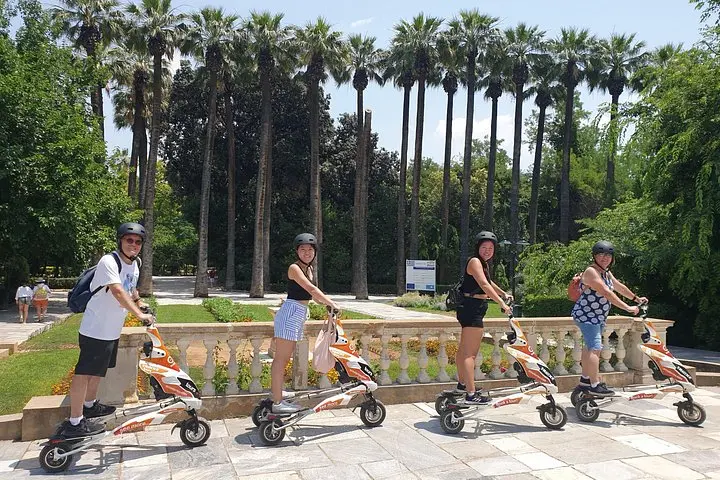
After salt and sun comes something unexpectedly joyful: a rail-bike pedal along a dormant coastal railway. Imagine two-person pedal rigs clicking along a low embankment with sea views to one side and olive groves and scrubby hills to the other. It's mostly flat—an easy cadence that lets you chat, take photos, and feel a pleasant burn in the legs. The rail-bike leg typically covers 10–20 kilometers at a leisurely 8–12 kph, offering a different pace and a view of linear coastal geology: terraces, old stone retaining walls, and small fishing hamlets that rarely appear on guidebook maps.

This combo is a reminder that Greece’s best outings mix natural beauty with layers of human history. You’ll pass markers of the modern coastal economy—small fish farms, boatyards, and family-run tavernas—alongside invisible traces of the classical world. Guides often point out local names, small chapels clinging to headlands, and the particular slate-gray of the shoreline rocks that fishermen prize.

Practicalities matter. The full experience runs 6–8 hours (420–480 minutes), usually leaving Athens mid-morning and returning by late afternoon. Pack light but smart: a dry bag for electronics, sun protection, a refillable water bottle, and comfortable footwear for getting on and off boats. The sea leg requires focused but basic paddling skills; you don’t need to be an athlete, but a moderate level of fitness and comfort in open water will make the day easier and more fun.

Timing can define the trip. Spring and early autumn have the best combination of winds, water temperature, and light—cool mornings, warm afternoons, and fewer day-trippers. In summer, start early to avoid the heat and the brunt of midday winds. Winter trips are possible but expect choppier seas and fewer services onshore.

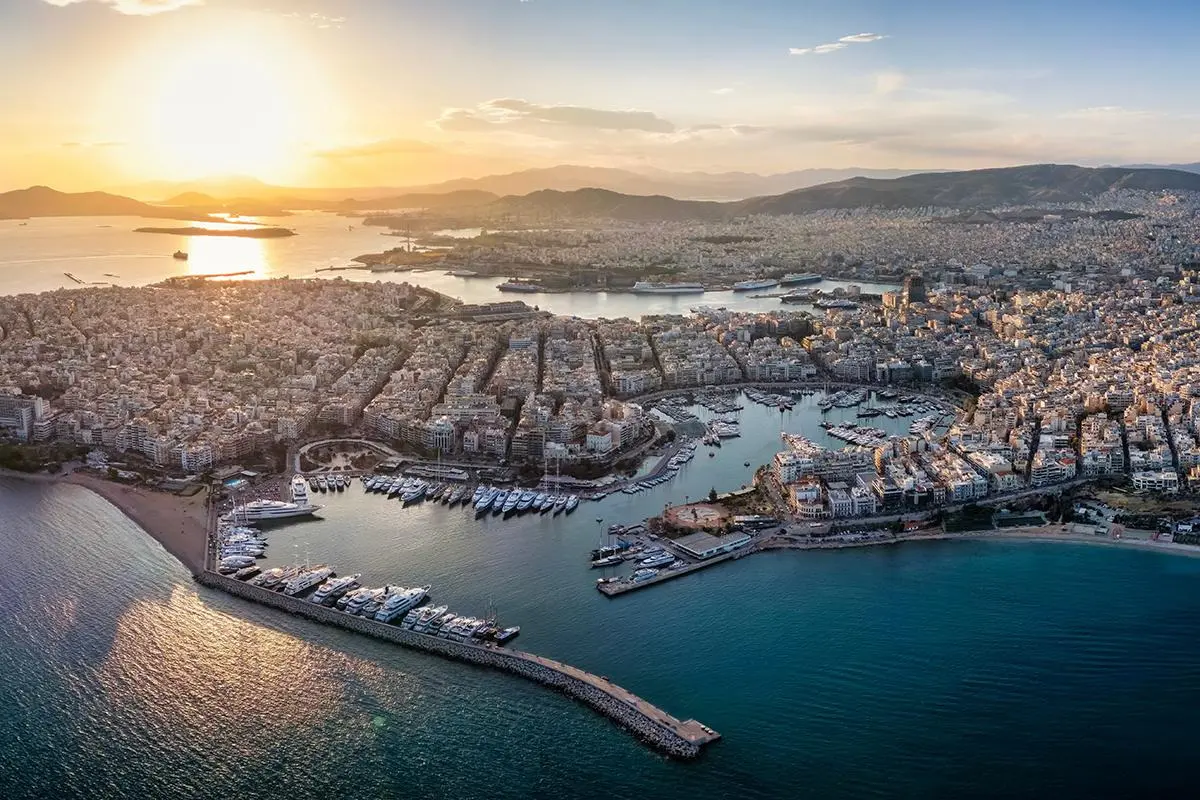
On the cultural side, plan to extend the day. Salamina and nearby Megara offer simple seaside tavernas with grilled fish and citrus salads—food that feels like the natural conclusion to an ocean-fresh day. Piraeus, a short return ride from the meeting point, has a lively fish market and waterfront bars where you can toast sweat and salt with ouzo or local wine.

Safety is straightforward when you plan ahead: follow the guide’s instructions, monitor wind and sun exposure, hydrate frequently, and choose footwear that can handle rocks and a little shell grit. The sea encourages a respectful posture; it rewards patience and good seamanship.

For anyone who wants a day where gear and rhythm match the coastline—paddles dipping in measured time, pedals turning in friendly competition—this combo offers satisfying variety. It’s a day that opens the senses and compresses history: you experience a naval theater with the ease of being part of it rather than studying it from afar. Whether you’re chasing maritime history, a different kind of cardio, or simply a coastline that still feels honest and local, this tour gives you both velocity and viewpoint.

At its best, the tour leaves you quietly pleased: sore in the right places, salt on your lips, and a new map in your head of where the city ends and the sea begins. It’s the sort of day that turns an ordinary visit to Athens into a coastal memory—one you can return to in the quiet hours, long after the expended muscles have settled into contentment.
Duration6–8 hours
Plan your visit

Trail Wisdom

Check Wind Windows

Morning and late-afternoon winds differ—ask your guide about the day’s Meltemi forecast and plan paddling accordingly.

Layer for Spray and Sun

A light waterproof shell and a sun shirt together beat both wind chill and harsh UV exposure.

Footwear That Grips

Beach shoes or lightweight approach shoes protect feet on rocky ramps and shore landings.

Hydrate and Snack

Bring a refillable water bottle and compact snacks—electrolytes help on longer summer days.

Local Knowledge

Hidden Gems

  • Small pebble coves west of Salamina town for a quiet swim
  • A cliffside chapel visible from the rail line that makes a scenic photo-stop

Wildlife

Cormorant, Occasional Mediterranean monk seal sightings (rare)

Conservation Note

Avoid anchoring or beaching on Posidonia meadows and pack out all waste; local marine habitats are sensitive and recovering.

The waters between Salamina and the Attica mainland were the theater of the Battle of Salamis in 480 BCE, a decisive naval victory for the Greeks against Persia.

Seasonal Guide

spring

Best for:Cool paddling conditions, Wildflowers and fewer crowds
Challenges:Occasional strong winds, Variable water temperatures

Spring offers mild temperatures, steady winds, and some of the clearest light for photography—ideal for paddling and cycling before the summer crowds arrive.

summer

Best for:Warm water swims, Long daylight hours
Challenges:Stronger afternoon Meltemi winds, Higher temperatures and sun exposure

Summer delivers warm seas and full-day light but plan early starts and sun protection to avoid midday heat and gusty afternoons.

fall

Best for:Calmer seas after summer, Pleasant cycling weather
Challenges:Shortening daylight, Unpredictable autumn storms

Fall mirrors spring with calm water and comfortable temperatures; it's a strong alternative window for this combo trip.

winter

Best for:Quiet shorelines, Off-season pricing
Challenges:Cool water and air temperatures, Rough conditions possible

Winter trips are quieter but require robust rain and wind protection; sea conditions can be rougher, so book only if the operator confirms safety.

Photographer's Notes

Bring a small waterproof camera or a phone in a dry bag; shoot wide on the kayak for coastal panoramas, use a low angle for foreground water texture, and save portraits for golden hour or shaded coves to avoid harsh mid-day light.

What to Bring

Personal Flotation Device (PFD)

Essential

Required for safety during sea kayaking and often provided by the operator—bring your own for best fit.

Water Shoes

Essential

Protect feet on rocky landings and provide grip on wet surfaces.

Sun Shirt / SPF Layers

Essential

Light, long-sleeve protection reduces sunburn and wind chill on open water.

○

Small Dry Bag

Keeps phone, keys, and snacks dry during the paddling sections.

Common Questions

Where does the tour meet and what time does it start?

Most departures meet in central Athens or a pre-arranged nearby marina—confirm pickup details when you book; typical departure is mid-morning to fit both activities comfortably.

Do I need prior kayaking experience?

No advanced experience required—guides provide basic instruction and route selection is adjusted to group skill, but comfort in open water is important.

What is included in the price?

The tour usually includes guide fees, kayak and rail-bike equipment, safety gear, and transport between activity sites—check the operator page for exact inclusions and any meals.

Is the rail-bike portion easy for beginners?

Yes, the rail-bike is low-impact and mostly flat; it’s designed for people with basic cycling ability and offers rest stops for photos and water.

Can this tour be done in bad weather?

Operators monitor sea and wind conditions—if weather is unsafe the sea leg may be modified or the trip rescheduled; cancellation policies vary so check in advance.

Are there restroom or food stops?

There are short stops at coastal villages and tavernas where restrooms and snacks are available; bring cash for small purchases.

What to Pack

Water bottle (hydration), Sunscreen and hat (UV protection), Light waterproof layer (wind/spray), Beach shoes (shore landings)

Did You Know

The Battle of Salamis (480 BCE), fought in the straits near Salamina, was a pivotal naval clash that helped stop the Persian advance into Greece.

Quick Travel Tips

Book morning departures to avoid afternoon winds; bring cash for small tavernas; confirm pickup/meeting point the day before; pack a spare shirt for the return ride.

Local Flavor

After paddling, head to a seaside taverna in Salamina town or the Piraeus waterfront for grilled fish, lemony greens, and local wine—follow the locals’ lead for the best small-plate finds.

Logistics Snapshot

Closest airport: Athens International (ATH); Typical drive/ferry from Athens center: 45–75 minutes depending on meeting point; Cell service: generally good on main islands but intermittent on some coves; Permits: none required for recreational day use.

Sustainability Note

These coastal waters host sensitive Posidonia seagrass beds—avoid trampling or anchoring on seagrass, pack out all waste, and support local operators who follow low-impact practices.

Topics