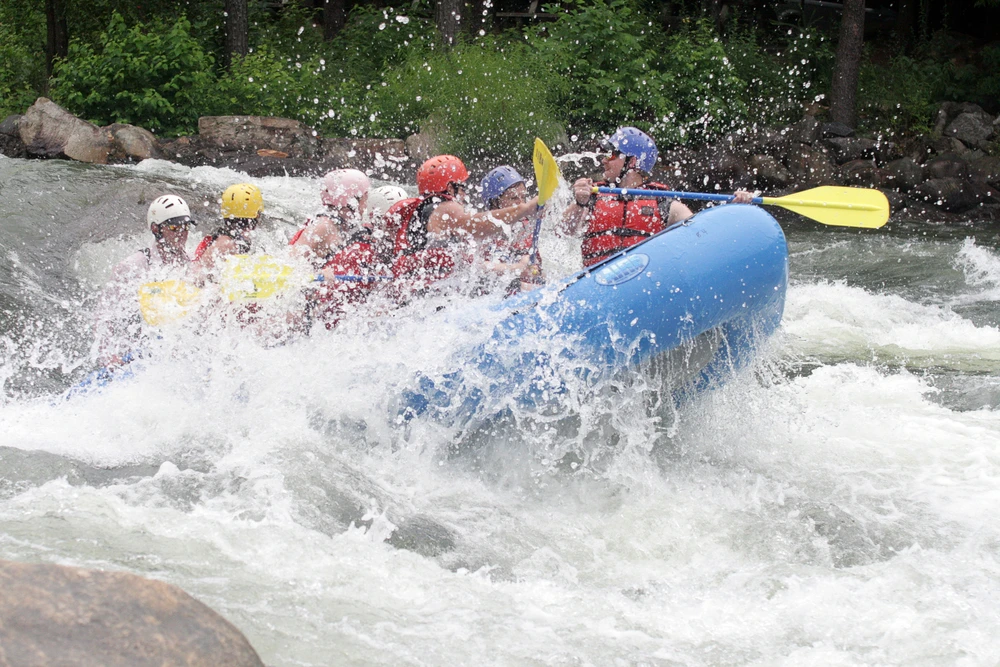
By late morning the canyon tightens and the river voice gets loud — a succession of short, angry roars, each answering the one before it. You feel the sound through your shoes as the raft picks up speed and the guide barks a command that becomes choreography: paddle hard, lean in, brace. The water here is not polite; it dares you to match its tempo. This is the Ocoee River, a compact, canyoned artery in southeastern Tennessee that delivers some of the most sustained whitewater in the eastern United States, framed by steep, forested slopes and the blunt evidence of the region’s mining past.
The Ocoee wears more than one face. There’s the narrow, engineered corridor where the Tennessee Valley Authority releases controlled flows and commercial outfitters stage runs that have made the river famous. There’s the quieter, wooded rim of the Cherokee National Forest where hikers and anglers find their own rhythms. And there’s the history written in copper-stained rock and abandoned mining roads — a reminder that human hands have altered this watershed for more than a century.
Geologically the Ocoee slices through ancient metamorphic rock, the whole landscape shaped by streams that gnawed into the Appalachian uplift. That hardness is part of why the river runs fast and furious; there are few places for water to spread, so it funnels, accelerates, and drops. The region’s more recent history is equally potent: the Upper Ocoee was the site of the 1996 Olympic whitewater slalom, a moment that put this canyon on the global map and left behind the Ocoee Whitewater Center — now a network of trails and interpretive exhibits that anchor river culture and stewardship.
Most commercial trips run the Middle Ocoee, a concentrated canyon stretch where dam releases turn an otherwise tame creek into continuous Class III–IV rapids. For paddlers looking for a sporting day, it’s a perfect fit: adrenaline without expedition logistics, scenic canyon exposure, and reliable runnable windows dictated by TVA releases. The Upper Ocoee, above the Olympic course, is steeper and shorter — more of a technical playground for experienced kayakers when water is allowed through the gates.
How to approach the Ocoee depends on appetite. For a family-first introduction, book a guided raft run with a vetted outfitter. Guides know where the river pushes and where it lets you breathe, and most outfitters provide the necessary safety gear and shuttle service. If you’re an experienced paddler, timing and permits matter more: sections are runnable only during scheduled releases, and river etiquette is strict; boats don’t run the Ocoee independent of these windows.
Planning matters. The raft trip itself is compact — expect a few hours from meeting your outfitter to the takeout — but the experience is shaped by timing, weather, and water release schedules. In spring, the air along the canyon bites with coolness and runoff adds raw power; summer brings the most consistent commercial season and warm shorelines for post-raft beers; fall paints the slopes in color and drops air temps, accentuating the contrast between warm sun and cold river; winter is quiet and often frozen out for commercial runs but vivid for hikers who don microspikes on icy ridge trails.
Practical prep is straightforward but nonnegotiable: a snug pair of river shoes or sandals with straps, quick-drying clothing (or a wetsuit in spring), a dry bag for car keys, and a trusted guide. Hydration and sunscreen are essential—this canyon can heat quickly. For multi-day adventurers, the surrounding hikes in Cherokee National Forest offer easy-to-moderate loops and viewpoints that stitch together well with a raft day.
The Ocoee’s appeal is also cultural: the valley is a patchwork of Appalachian mountain life, mining towns, and modern outdoor entrepreneurs who run guides, cabins, and small eateries. Post-raft, drive the short distance to the Ocoee Whitewater Center to walk the trails, inspect rusted tailings, and learn about the miners who once laid claim to this landscape. On the palate, expect Southern staples: smoked meats, fried sides, and regional craft beer that tastes like accomplishment.
Safety and respect are themes here. Dam-controlled rivers demand discipline: follow your guide, keep hands and feet inside the raft when instructed, and never assume a calm eddy will remain so. The river has a memory for people who underestimate it. Likewise, practice Leave No Trace on the shorelines and trails — the ecology here is resilient but not invincible.
When to go depends on priorities. If you want consistent raftable flows and a full-service outfitter scene, late spring through early fall is best. If you prefer vivid color and cooler air without crowds, early October is compelling. For photographers, low-angle light in the shoulder seasons sculpts the canyon and freezes motion beautifully.
At its heart the Ocoee rewards combination travelers — those who want hard water and soft land in one trip. It’s an accessible, short-run whitewater playground with real teeth and a landscape that remembers both natural time and human impact. Paddle-ready or curious, the Ocoee delivers a day that feels earned and a canyon that insists you pay attention.


