Dusk starts soft in San Diego Bay. The city’s glass spires pick up a faint blush, and the Coronado Bridge stretches like a lazy arm toward the Pacific. On the mono-hull’s deck, lines hum and the mainsail rises, catching an onshore breeze that nudges the bow seaward. The bay breathes in long, steady pulses; the current urges you forward, and the rigging answers with a low, confident chatter. As the keel bites into the water and the boat leans into its line, the skyline slides past like a parade—USS Midway to port, the Point Loma peninsula standing guard to starboard, and gulls writing quick notes across the sky.
This is a small-group sail—no more than six passengers—and that changes everything. The experience becomes tactile, a conversation with wind and tide. With less crowd and more horizon, the boat feels nimble and intimate, the crew attentive yet unhurried. They point out a pod of bottlenose dolphins slipstreaming toward the channel, gray backs glinting before vanishing like thrown coins. A California sea lion barks from a buoy, as if daring you to pick up speed. You do, easing farther from the Embarcadero’s bustle toward open water, where Point Loma’s bulk meets long, rolling swells.
San Diego’s maritime story is stitched into this water. The Kumeyaay people first paddled these sheltered coves for millennia. Spanish galleons, American naval ships, and later, the sleek predators of America’s Cup campaigns all carved their wakes here. The Coronado Bridge—2.12 miles long with 200 feet of clearance for Navy carriers—arches overhead as both landmark and threshold. Sliding beneath it, you feel the scale of the bay: a working harbor, a wildlife corridor, and a playground for anyone willing to meet the wind halfway.
Geography is the quiet architect of this sail. The bay’s protected waters keep chop modest, even when the afternoon wind sharpens. Point Loma’s headland blocks the heaviest swell, making it possible to chase sunset without chasing seasickness. Yet the ocean is never far away. On a day sail, you might aim beyond the breakwater where seabirds line up on kelp rafts and the Pacific sighs in long, even sets. On a sunset cruise, the western sky throws down a color card—saffron melting into apricot, then a clean cobalt as the first stars test the darkness.
This is the kind of outing that works for romantics and realists alike. It’s easy to book—instant confirmation, clear meeting instructions, and a tidy 2.5-hour window that leaves plenty of day for brunch in Little Italy or tacos in Barrio Logan. On deck, you can do as much or as little as you like. Learn how apparent wind shifts with your heading, or simply settle into a cockpit cushion and let the bay do the talking. The crew handles trim and helm, and they’re quick with context: why pelicans dive headfirst while terns hover and sip; how to spot a naval hovercraft by the low, rumbling thrum; when the tidal push will help you thread the bridge.
Small touches add range. The mono-hull rides like a proper sailboat—heel, balance, and glide—so you feel each puff arrive before it crosses your face. Seating is close to the water, where the bay’s temperature is a degree or two cooler and the air smells faintly of brine and eucalyptus blown off the hills. You’ll want a windbreaker, even in summer. Polarized sunglasses turn the surface from glare to detail: the sharp V of your wake, the quick silver flash of baitfish, the shadowed underbellies of cormorants torpedoing after dinner.
The practical side is refreshingly straightforward. You’ll board near downtown San Diego, a few minutes from the airport and a short stroll or rideshare from most waterfront hotels. Wear non-marking shoes that won’t skate on fiberglass. Bring a hat with a tether or cord—the wind has a habit of collecting tips. If you’re sensitive to motion, take precautions an hour beforehand; the bay is friendly, but motion finds everyone eventually if you’re unprepared. The crew monitors weather and will reroute or reschedule if conditions turn uncooperative.
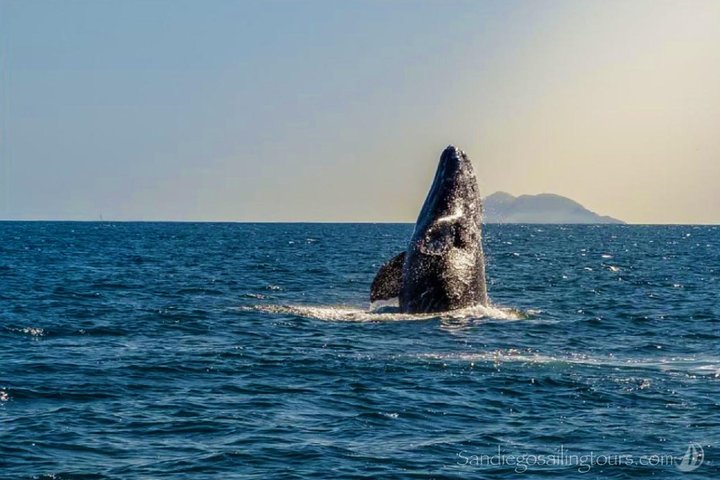
San Diego is famously mild, but it has its rhythms. Spring and early summer carry a marine layer locals call May Gray and June Gloom—cool mornings that burn into blue afternoons. Fall is the sleeper hit: clear air, calm seas, sunsets that linger as if reluctant to leave. Winter can be sublime on the right day, with crisp views from the bridge to the Coronado Islands and migrating gray whales cruising past Point Loma like ancient metronomes. Each season adds its own texture, and the bay plays along.
It’s the simple details that stay with you. The soft snap as the jib fills. The way the city lights blink awake, one building at a time, as you gybe toward the skyline. The Coronado ferry’s horn, deep and genial, rolling across the water like a handshake. In the cockpit’s easy chatter, you hear stories from other travelers: anniversary sails, first-time visitors, a sailor relearning the feel of a telltale after years inland. On this boat, strangers share the same horizon. The wind writes the itinerary.
And then the moment you came for: the sun hesitates at the sea’s edge, the bay turns to mercury, and the bridge becomes a silhouette line drawn by a careful hand. The boat noses into the glow. The breeze cools, the sail’s belly softens, and the day exhales. You’re still moving, but you hardly notice; the bay does the carrying now. It’s calm, but not quiet—the water keeps its small language, a percussion of ripples tapping down the hull. You could be anywhere the wind meets an edge. Instead you’re exactly here, held by tide and time and a boat that knows how to make the most of both.
If you’re coming to San Diego for beaches and tacos (good plan), add this to your short list. A small-group sail folds the city’s best angles—skyline, bridge, Point Loma, Coronado—into one clean arc. It’s unpretentious, efficient, and deeply memorable. You step off back at the dock a little windblown, a little salt-dusted, carrying that subtle ease only an evening on the water can grant. The bay keeps moving, but it leaves you steadier on your feet.