The tide slips in like a whisper, lifting your kayak an inch, then two, as the marsh grass nods in approval. A brown pelican patrols the channel like a stern harbor master; an osprey clutches a mullet and carves a clean line across the sky. Ahead, Skull Creek stretches in a pewter ribbon between Hilton Head Island and Pinckney Island, its surface shivering with wind and possibility. Then comes it—the soft whoof of a bottlenose dolphin exhaling on your beam, as casual as a neighbor saying hey. This is the Lowcountry at water level, where the creek invites you to match its rhythm and the marsh dares you to notice more.
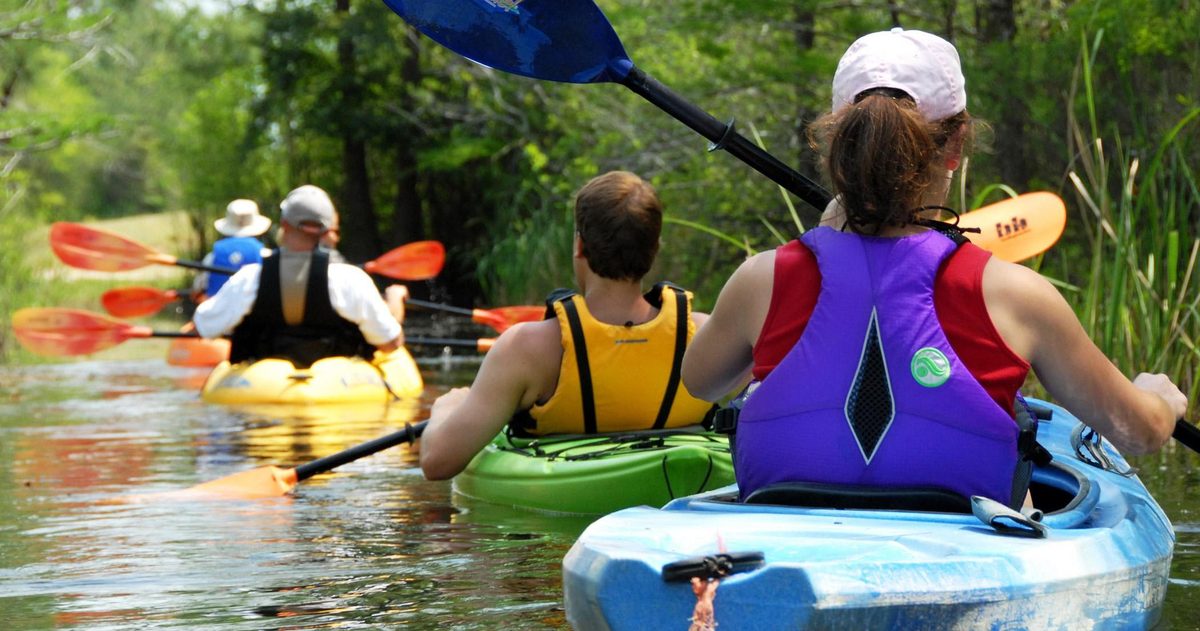
A guided kayak tour on Skull Creek is equal parts nature lesson and gentle workout—an hour and a half of easy paddling across a living estuary that feeds South Carolina’s coast. You push away from the dock and slip into a maze of Spartina alterniflora, that knee-high grass that rescues the coastline from storms and nourishes the food web from the mud up. The creek is brackish and alive, a conveyor belt for plankton, crabs, shrimp, and bait fish that turn the water into a restless mirror. Your guide keeps an eye on the tide and the breeze, reading the water like a seasoned librarian scanning a card catalog. The creek’s current will do some of the carrying; you do the steering and the seeing.
This part of Hilton Head is a stage where history and tide trade lines. In the 1860s, just a few paddle strokes away from where you’re gliding now, Mitchelville became the first self-governed town of formerly enslaved people in the United States. The creeks fed families then too, and the marsh still remembers. Oyster shells fringe the banks—rakes of calcium where new reefs are building and old dinners were tossed. The Gullah Geechee heritage is woven into these waters: nets, tides, and storytelling, a culture sustained by what the marsh offers and what the sea permits. Paddle long enough and you start to hear the place in the sounds that fold in—egret croaks, wind that presses its palm against your shoulders, the tidal clock ticking.
The geology here is movement. Twice daily, the Atlantic flexes, and Skull Creek answers with a tidal range of roughly six to eight feet, exposing oyster beds in the morning and swallowing them again in the afternoon. On a calm day, the creek lounges; when the sea breeze arrives, it asks for your attention. Your guide sets the tour to match the clock—aiming for friendlier currents and softer headwinds. The route threads along the edge of Pinckney Island National Wildlife Refuge, where roseate spoonbills sometimes paint surprise onto summer mornings and bald eagles slide along the thermals. In winter, the light turns glassy and clear; in summer, it warms like honey, and the dolphins get playful.
Hilton Head’s resident bottlenose dolphins are local characters—curious but not careless, watchful but not shy. You might see a glistening back roll next to your bow or a tail slap that announces a sandwich break. While strand feeding—the dramatic team effort where dolphins chase fish onto mudflats—tends to happen more frequently in nearby creeks like the May River, Skull Creek often hosts the quieter moments: a mother and calf ghosting past the marsh edge, or a solitary hunter working a bank. Your guide will remind you of the respectful distance that keeps encounters safe. The dolphins don’t need you; you’re the grateful guest.
The beauty of a Skull Creek kayak tour is its accessibility. No experience needed, and the boats—single or tandem—are stable and forgiving. Life jackets are standard, and your guide will demo strokes that make the paddle pull smooth and efficient. Families book tandems, friends take singles, and everyone finds their throttle. If you’re new to kayaks, the first few minutes are for learning how the boat wants to turn, which is always a beat slower than you expect—like the creek insisting you match its tempo. Soon your stroke settles, shoulders relax, and the miles add themselves quietly behind you.
Go early for a gentler wind and a better shot at wildlife in motion. Afternoon paddles lean bright and social, with the sun laying gold on the grass and pelicans dropping like anchors after baitfish. Spring and fall are postcard-perfect—warm, low humidity, migrating birds staging through the refuge. Summer sweats, but water breezes help, and dolphins love the long light. Winter is crisp and spacious; you’ll have the creek’s hush nearly to yourself.
Practicality rules here, and that’s part of the charm. Hydrate well. Wear a sun hoodie or long-sleeve rash guard. Slip on water shoes that shrug off oyster shell. Respect the tide; it’s the quiet engine under this entire experience. Expect to paddle at a conversational pace with light effort—enough to feel like you’ve earned your seafood later. The reward? That moment when the marsh opens like a theater curtain and the horizon makes room for you.
If you’re chasing the mix of easy adventure and real connection with place, a Hilton Head kayak tour on Skull Creek is a smart bet. It’s hands-on without being heavy, and the lesson is the landscape itself. The creek sets the flow; you learn to listen. By the time your bow nudges back toward the dock, the wind has told you its plan for the evening, the dolphins have crossed your path like friendly punctuation, and the marsh—always patient—has edited your pace down to something sustainable. You’ll step out of the boat with salt on your forearms and the Lowcountry’s rhythm under your skin—enough to last until dinner, and probably into your next trip.