The boat nose parts the tannin-dark water as mangrove roots loom like cathedral pillars—black-barked fingers splayed into the river’s slow current. A kingfisher zips past, a flash of cobalt that has clearly seen the tourist boats before; a croc’s eye glints on the bank, sunning itself like an old sentinel. You feel the river’s deliberate pace press against the hull, daring you to slow down, to listen. That hush is the point. On the Black River Day Adventure Tour you’re not just passing through scenery; you’re moving through an ecosystem that still runs by its own rules. The day starts early in Montego Bay and stretches into a long, restorative afternoon: a 1–1.5 hour safari-style cruise through stands of red mangrove, weaving under low canopies and past channels where over 100 bird species gather. The wider excursion is a five- to eight-hour affair—time enough for door-to-door transfers, a stretch of shore-side walking, and a lunch of fresh seafood in Black River town after the boat docks. The river itself is a study in contrasts. Geologically, it drains the south-central part of Jamaica, carving through alluvial flats and feeding wetlands that buffer the coast. The mangroves are architects here: stilt-like roots trap silt and slow tides, creating the shallow lagoon the American Crocodile prefers. Historically, the river anchored commerce—logwood and sugar once rode its channels—and its mouth became a modest port. Today its value is ecological and cultural, providing livelihoods for local fishermen and boatmen who double as guides and storytellers. Your guide will point out the telltale signs of an estuary at work—the crab holes that dot the mud, the spectacular buttressing of red mangroves, the old cedar and buttonwood trees that lean toward the current. Birdlife is a running chorus: egrets and herons stalk the shallows; frigatebirds and osprey scan the air; and smaller, chattier warblers flit through the tangles. The American Crocodile is the headline act—rare, cautious, and territorially complex. You’ll often see juveniles darting near roots and larger adults half-submerged along shaded banks. Respect and distance are non-negotiable; good operators keep boats back, use long lenses for photos, and brief guests on safety. Practicalities matter as much as poetry on this trip. The safari is designed for casual travelers and birders as much as for seasoned adventurers; physical demand is low, but the day is long if you’re traveling from Montego Bay—which is why pickup, drop-off, and clear departure times are part of the booking. Wildlife is most active in the cooler early morning and late afternoon, so plan your camera battery and breakfast accordingly. Expect intermittent cell service once the boat leaves the main channel and bring cash for small street-side stalls in Black River town—local cooks plate up fish fritters and escovitch fish that taste of sea spray and smoked coconut oil. Conservation threads through the day. The mangroves you glide past are living carbon sinks and nursery habitat for fish; the crocodile population here is monitored by conservation groups that work with guides to limit disturbance. Your best contribution is simple: keep noise down, don’t feed animals, and follow your guide’s approach-and-distance rules. Gear and timing will shape how much you get out of the experience. Binoculars and a 200–400mm lens bring birds and crocodiles into cinematic focus; a light rain shell covers unexpected squalls during the island’s wet months; reef-safe sunblock and insect repellent keep you comfortable while protecting local waters. And if you can, choose a dry-season day—December through April—to avoid heavy rains and higher river turbidity. The tour economy is local: boat captains, drivers, and small eateries all benefit directly when tour operators bring steady business. That means a well-run tour is ecological and economic stewardship rolled into one—local guides who know where wildlife basks also know which sectors of the mangrove need protection. At the end of the day you’ll have more than photos. You’ll have a sense of a place where slow water shapes everything: culture, livelihoods, and a peculiar kind of patience. Whether it’s your first trip to Jamaica or your fifth, the Black River Day Adventure Tour offers a focused, low-key way to see one of the island’s most vital wetland systems without the trappings of mass tourism—just a boat, a guide, and the river daring you to pay attention.

Sunning Crocodiles and Silent Mangroves: A Black River Safari from Montego Bay
A slow-boat exploration through mangrove cathedrals to meet Jamaica’s elusive crocodiles
Not recommended for travelers with poor cardiovascular health
Plan your visit
Trail Wisdom
Go early for wildlife
Birds and crocodiles are most active in the cooler morning hours—schedule the earliest boat if possible.
Bring binoculars and a telephoto
A 200–400mm lens or good binoculars are essential for respectful, close-up wildlife photos from the boat.
Dress for bugs and sun
Combine reef-safe sunscreen with insect repellent and a light long-sleeve shirt to balance both threats.
Keep distance from wildlife
Follow crew directions and never attempt to touch or feed crocodiles—let the guide manage approach distances.
Local Knowledge
Hidden Gems
- Walk Black River town’s waterfront to find family-run fish shacks and local rum shops
- Ask guides about small tributaries for quieter birding and photography away from the main channel
Wildlife
American Crocodile, Great Egret and other shorebirds
Conservation Note
Local NGOs and guides monitor crocodile populations and mangrove health—respect buffer zones and avoid feeding wildlife to reduce human-wildlife conflicts.
Seasonal Guide
spring
March–May brings comfortable temps and a mix of resident and migratory birds; pack a light rain shell.
summer
June–August is verdant and warm—expect sudden showers and plan for sun protection.
fall
September–November can be quieter but carries increased storm risk—check weather forecasts.
winter
December–February is the driest, with excellent visibility and comfortable mornings for cruising.
Photographer's Notes
Use a 200–400mm lens for croc and bird portraits; shoot in the morning or late afternoon for softer light; a polarizer reduces glare and deepens water color; keep ISO moderate and shutter speed fast (1/500–1/1000s) for birds in flight; protect gear with a lightweight rain cover.
What to Bring
Binoculars (8x–10x)
EssentialBrings birds and distant crocodiles into clear view without approaching them.
Telephoto lens (200–400mm) or zoom camera
Allows detailed wildlife photos from the safety of the boat.
Reef-safe sunscreen & insect repellent
EssentialProtects skin from sun and mosquitoes while avoiding harm to the estuary.
Waterproof phone case or dry bag
EssentialKeeps electronics safe during river spray or sudden rain.
Common Questions
How long is the boat portion of the tour?
The boat safari lasts about 1–1.5 hours; the entire excursion, including transfers from Montego Bay, runs 5–8 hours.
Will I see crocodiles on every trip?
Sightings are common but never guaranteed; guides know habitual basking spots and plan routes for the best chance to observe them safely.
Is this trip suitable for children?
Yes—children are welcome but must be supervised and follow safety briefings; life jackets are provided.
Can I swim in the river?
No—swimming is not advised due to crocodiles, currents, and boat traffic; enjoy the views from the boat and shoreline only when permitted.
Is there shade on the boat?
Most safari boats have a covered section; bring a hat and sunscreen for times you’re in the open bow or on the shore stops.
Do I need cash on the day?
Yes—small local vendors and lunch shacks in Black River town often accept cash only, so bring Jamaican dollars or small USD notes.
What to Pack
Did You Know
Quick Travel Tips
Local Flavor
Logistics Snapshot
Sustainability Note
Topics
Included
- Round Trip Transportation
- Bottle Water
Good to Know
- Infants and small children can ride in a pram or stroller
- Infants are required to sit on an adult’s lap
- Specialized infant seats are available
- Not recommended for travelers with poor cardiovascular health
- Suitable for all physical fitness levels
More from the Journal
Keep exploring

Black River, Saint Elizabeth Parish
Soak in the Secrets of Bubbling Spring Mineral Bath
A pocket of warm, effervescent water tucked into the Black River lowlands—soak, listen and learn.
Read story →
Montego Bay, Saint James
Between Cascades and a Sandbar: A Day at YS Falls and Floyd’s Pelican Bar
Read story →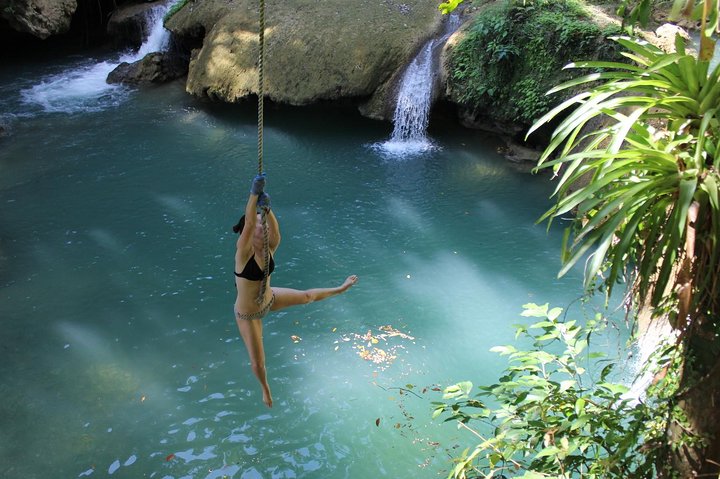
Kingston, Saint Elizabeth