Throttle the Rim: Two Hours on the West Rim UTV in Greater Zion

Throttle the Rim: Two Hours on the West Rim UTV in Greater Zion

An accessible, high-adrenaline spin along Greater Zion’s West Rim—big vistas, technical sand, and two hours of red-rock adventure.

Continue Reading

You climb into the UTV and the desert exhales. The engine's low rumble folds into the canyon air as tires find traction on sandstone and windblown sand. Within minutes the town grid gives way to a horizon that keeps returning your gaze—red mesas, a serrated skyline of Navajo sandstone, and the distant, impossibly green ribbon of the Virgin River carving through canyons. On a two-hour West Rim UTV tour out of Greater Zion, motion is the lens through which the landscape reveals itself: sudden gulches, broad overlooks, sculpted fins of rock that seem to hover like theater sets above the valley floor.

There’s a reason people come here with their hands on a throttle. The West Rim sits where high desert meets canyon edge—an intersection of geological time and modern restlessness. The sandstone tablelands are the work of ancient seas, sandstone deposits later upended and sculpted by wind and water into the ridges and cliffs you now drive along. Local Southern Paiute tribes, and later Mormon settlers, moved through these same passes; today the terrain is shared with recreationists drawn to Zion’s dramatic vistas and Sand Hollow’s dune-and-reservoir playground.

West Rim

This is a motorized tour, but it’s not a racetrack. Guides shepherd small groups across a mix of sandy washes, packed dirt two-tracks, and rocky inclines. Expect roughly 10–20 miles of varied trail in a 120-minute loop, with short climbs that lift you a few hundred feet above the valley floor for panoramic views back toward Zion National Park. The tour threads into places that regular vehicles can’t reach—shelf-like ledges that demand patience and tires, open bowls of sand where you’ll feel the UTV settle and then surge, and cliffside pullouts that let you stretch your legs and take the kind of photos that make it look like you walked an hour to get there.

For travelers, the appeal is immediate: accessible adrenaline without specialized skills, big desert vistas without the hours-long approach. Guides provide the quick rundown—how to handle inclines, when to throttle back, and how to read soft sand. The ride is tactile; the landscape will feel like an active participant, pushing, resisting, revealing. You’ll pass scrub pinyon and juniper, watch raptors circle thermals, and find yourself scanning the far horizon for the vertical slabs of Zion’s main amphitheater.

Toll Booths

Practicality sits next to poetry here. Two hours is enough to feel you’ve earned the view and to appreciate the variety—dunes, redrock slicks, and wash crossings—but not so much that fatigue dulls the experience. Morning or late-afternoon departures are best: light is kinder and temperatures are cooler. Summer can roast the desert; spring and fall give you the sweet spot of comfortable air and resilient light for photos. Guides typically handle permits and staging logistics, and most operators provide helmets and vehicle orientation so riders new to UTVs can feel confident quickly.

That said, this is still the desert. Hydration matters—pack a liter or two, and bring sun protection. Footwear should be sturdy and closed-toe; you’ll be moving across uneven ground at stops. If you want to shoot photos, a small, fast lens and a strap are ideal: you’ll move between viewpoints quickly and wind can be an issue when the UTV is rolling.

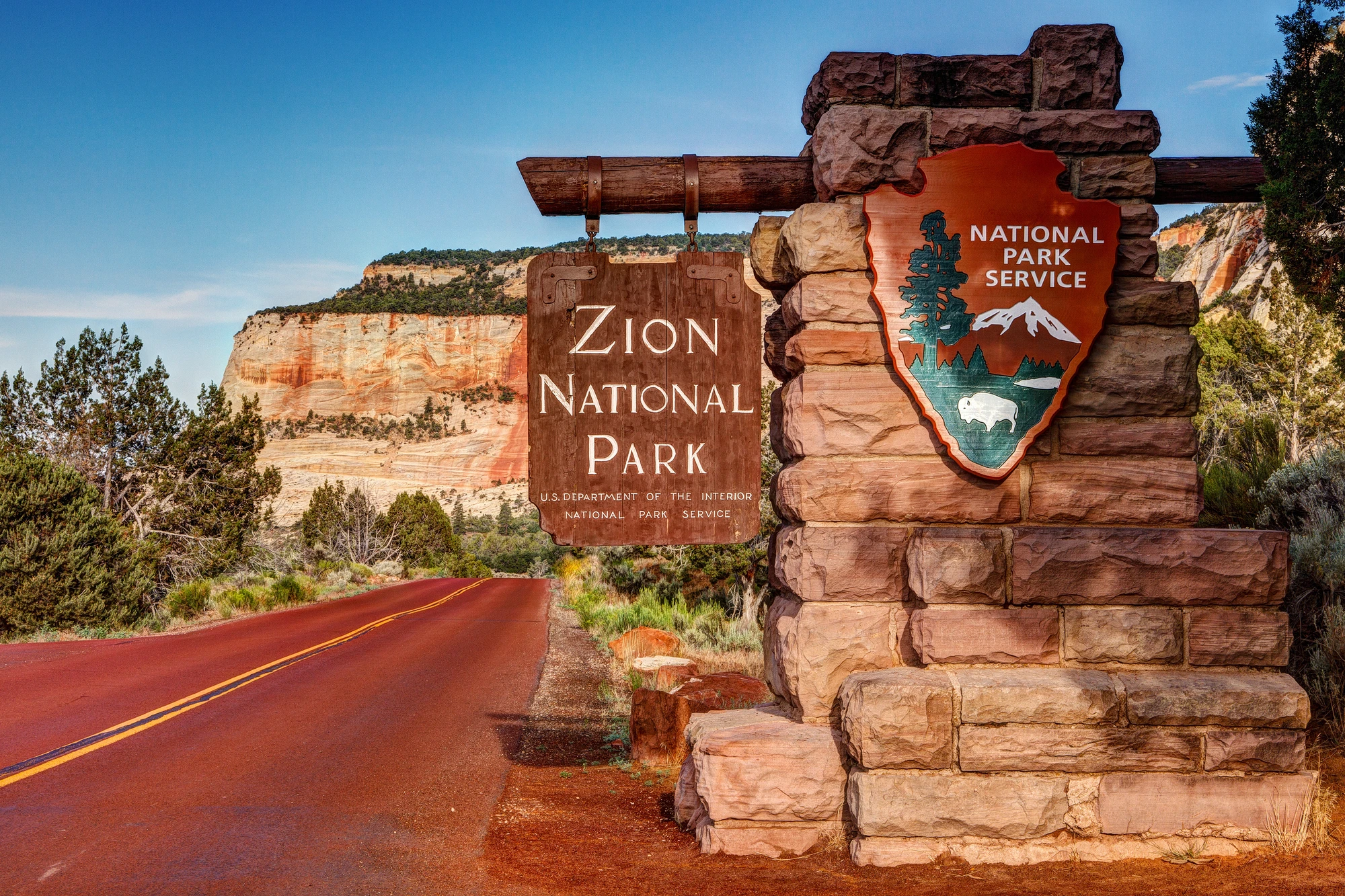
The cultural and natural context matters as much as the trail map. Greater Zion sits on ancestral Southern Paiute lands; the region’s place names and early routes reflect that presence. Zion National Park itself was established in 1919, preserving dramatic examples of Navajo sandstone and the carved canyons that draw visitors from around the world. The area’s soils—particularly the cryptobiotic crusts—are fragile; off-road vehicles can cause long-lasting damage if routes are strayed from. Good operators minimize impact by staying on established tracks and educating riders.

For most travelers, the West Rim UTV tour is a compact, high-return outdoor experience: minimal hiking required, maximal exposure to landscape. It’s family-friendly for teens and older kids with some supervision, but there’s real terrain and technical driving involved, so listen to your guide and ask questions. After the ride, it’s typical to head back to town for a late lunch, recount the best moments in a café, and plan the next outing—maybe a river float, a rim hike, or a sunset at a viewpoint.

The Maza

If you’re booking Greater Zion for the first time, aim for spring or fall and plan for a mix of sun protection, layered warmth for cooler desert evenings, and a camera that won’t slow you down. In two hours you’ll feel how the desert shapes both the land and the people who come to test its edges. The West Rim UTV tour isn’t just a way to get to a view; it’s a direct line into the red-rock story of Utah—fast, physical, and honest about what the desert wants from you: respect, attention, and the humility to leave it as you found it.

Duration2 hours
Group Size1–30 Guests
LanguagesEnglish
Rating5.0 (9 reviews)

Not recommended for travelers with spinal injuries

Not recommended for travelers with poor cardiovascular health

Not recommended for pregnant travelers

Plan your visit

Trail Wisdom

Hydrate Before You Start

Drink at least 16–24 oz before departure and bring an additional 20–32 oz; desert heat and wind dehydrate quickly.

Closed-Toe Shoes Only

Wear sturdy, closed-toe footwear—sandals and flip-flops are unsafe during stops and walkouts.

Ride Light for Photos

Bring a compact camera or phone with a strap; bulky gear is unwieldy on moving UTVs.

Listen to Your Guide

Follow throttle and braking tips from the guide—many tricky sections are about technique, not speed.

Local Knowledge

Hidden Gems

  • Sand Hollow reservoir overlook—an easy detour for mirrored water reflections against red rock
  • Quiet shelf trails on the West Rim that offer sunrise views without crowds

Wildlife

Desert bighorn sheep, Red-tailed hawk and other raptors

Conservation Note

Stay on designated trails to protect fragile cryptobiotic soils and desert vegetation; reputable operators minimize impact and follow access rules.

Greater Zion sits on ancestral lands of the Southern Paiute; the national park was established in 1919 to protect iconic sandstone canyons.

Seasonal Guide

spring

Best for:Wildflowers at lower elevations, Comfortable riding temps, Clear photo light
Challenges:Occasional mud after storms, Variable daytime temps

Spring offers mild temperatures and green contrast on the redrock, though short wet spells can make sandy tracks sticky—check conditions.

summer

Best for:Long daylight hours, Dune play at Sand Hollow, Late-afternoon golden light
Challenges:High heat, dehydration risk, Midday glare

Summer provides long days but hot afternoons; morning and evening departures are strongly recommended.

fall

Best for:Crisp air with lower temps, Stable weather, Excellent late-afternoon light
Challenges:Cooler mornings, Higher demand—book early

Fall is the optimal season—comfortable temps, steady trails, and dramatic light make it ideal for photography and comfort.

winter

Best for:Quiet trails and lower crowds, Crisp, clear visibility
Challenges:Cold temps, possible slick rock from frost, Shorter daylight hours

Winter rides can be spectacularly clear but require warmer layers; freezing mornings and icy patches on shaded rock are possible.

Photographer's Notes

Shoot in the golden hours for richer color on red rock; use a polarizer to reduce glare and deepen skies. For moving shots, use a fast shutter (1/500s+) and keep lenses protected from sand—bring a lens cloth and secure straps to avoid drops.

What to Bring

Hydration Pack

Essential

Keeps hands free and provides continuous access to water in hot, windy conditions.

Closed-Toe Trail Shoes

Essential

Protects feet at stoppages and provides traction on slick rock and sand.

○

Light Wind Shell

Blocks wind on exposed rim sections and is easy to stow.

Sunglasses + Wide-Brim Hat

Essential

Reduces glare and protects skin from intense desert sun.

Common Questions

Do I need a driver's license to operate a UTV?

Most operators require a valid driver's license for primary drivers; passengers do not need a license but must follow safety rules—confirm with your operator.

Is this tour suitable for beginners?

Yes—guides provide instruction and the route is chosen for varying skill levels, but you should be comfortable following direction and handling uneven terrain.

What is the minimum age for passengers?

Minimum ages vary by operator; many require passengers to be at least 12–16 years old—check booking details before you arrive.

Are helmets provided?

Most tour providers supply helmets and basic safety gear; bring your own if you prefer a personal fit.

What happens in high heat or storms?

Operators may reschedule or modify routes during extreme heat or bad weather—contact them in advance and follow guidance on hydration and timing.

Is the tour accessible year-round?

Tours generally run year-round, but seasonal conditions may affect route availability—fall and spring are the most consistent windows for trail quality.

What to Pack

Hydration pack (continuous water), Sunscreen + sunglasses (sun protection), Closed-toe shoes (foot safety), Lightweight layers (temperature swings)

Did You Know

Zion National Park was officially designated on November 19, 1919—protecting dramatic Navajo sandstone cliffs and slot canyons.

Quick Travel Tips

Book morning or late-afternoon tours to avoid heat; bring a physical ID for driver verification; expect limited cell service on rim trails; confirm helmet and waiver requirements with your operator.

Local Flavor

After your ride, head into Hurricane or nearby Springdale for hearty, casual fare and local brews—seek meals made with regional ingredients and stop by a local market for snacks and water before your next outing.

Logistics Snapshot

Closest airport: St. George Regional Airport (SGU) ~35–45 minutes; Driving from Hurricane staging area: typically under 30 minutes to Sand Hollow access; Cell service: patchy on rim and in washes; Permits/Passes: tour operator typically manages access—confirm at booking.

Sustainability Note

Stick to established tracks to protect cryptobiotic crust and fragile desert habitats; carry out all trash and avoid disturbing wildlife.

Topics

Included

  • Premium Damage Waiver
  • Licensed Guide
  • Bottled Water & Ice
  • Off-Road Vehicle (2 person minimum per vehicle)
  • Helmets & Goggles

Good to Know

  • Not recommended for travelers with spinal injuries
  • Not recommended for travelers with poor cardiovascular health
  • Not recommended for pregnant travelers
  • Service animals allowed
  • Public transportation options are available nearby
  • Travelers should have at least a moderate level of physical fitness