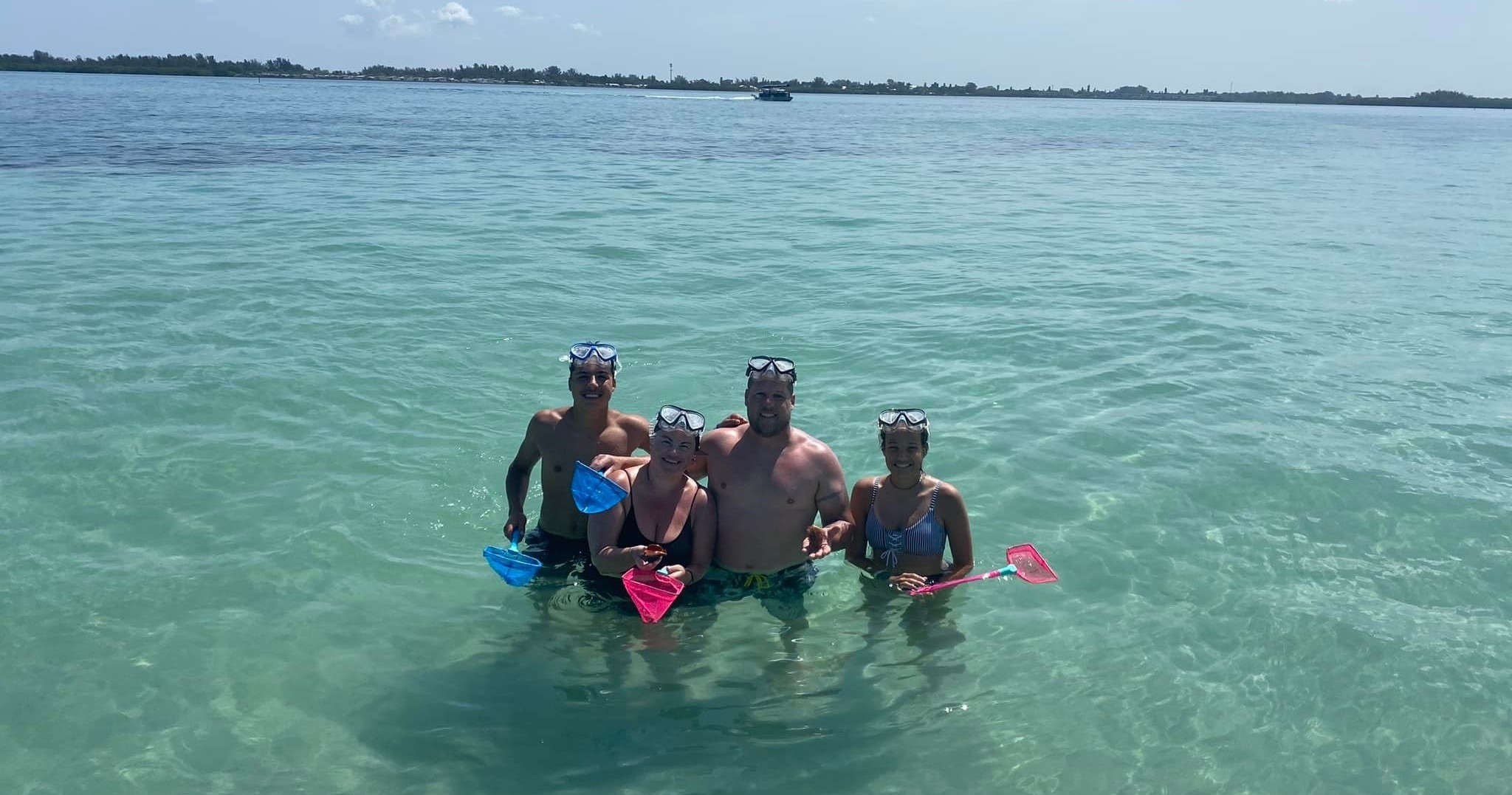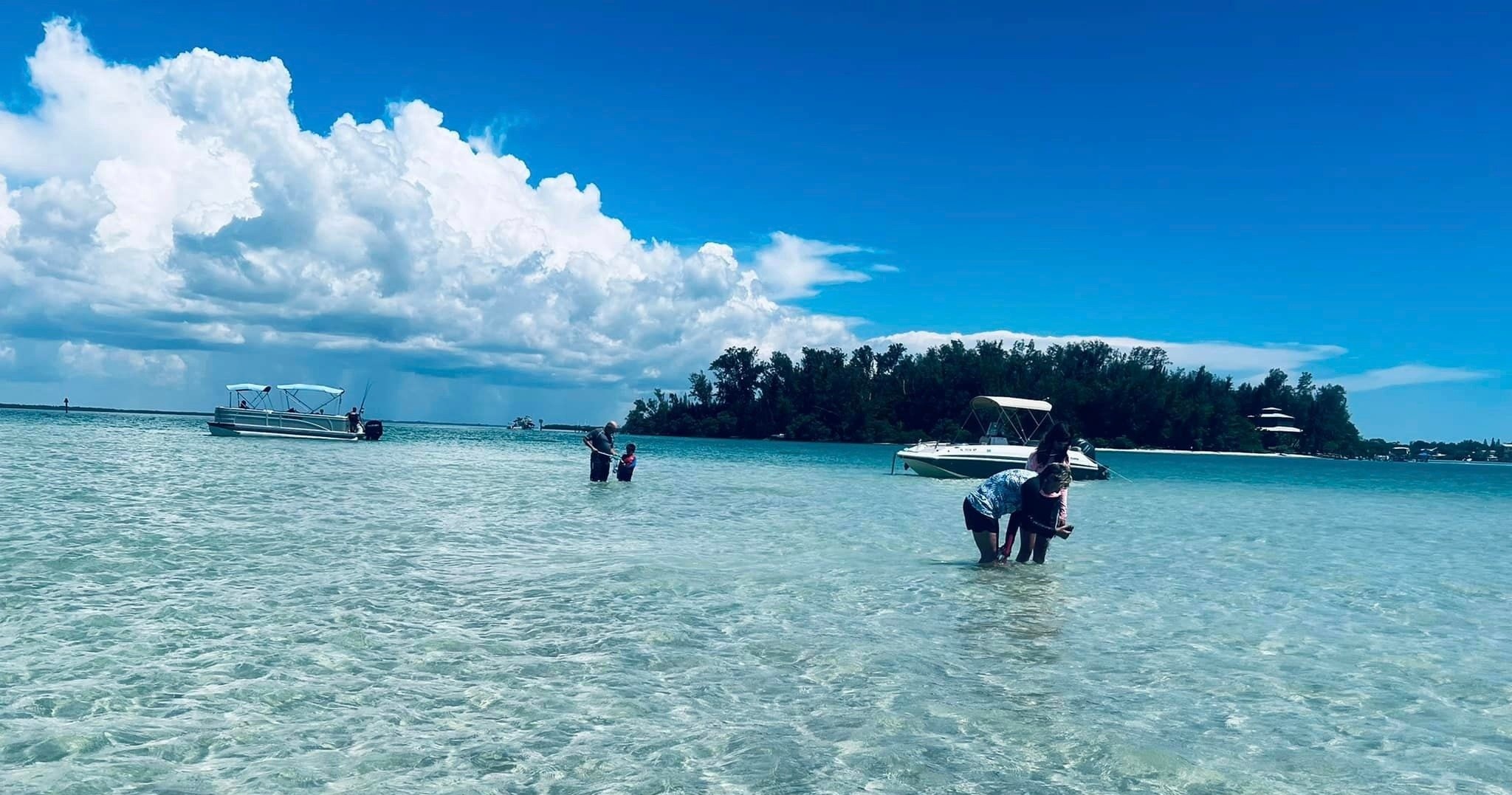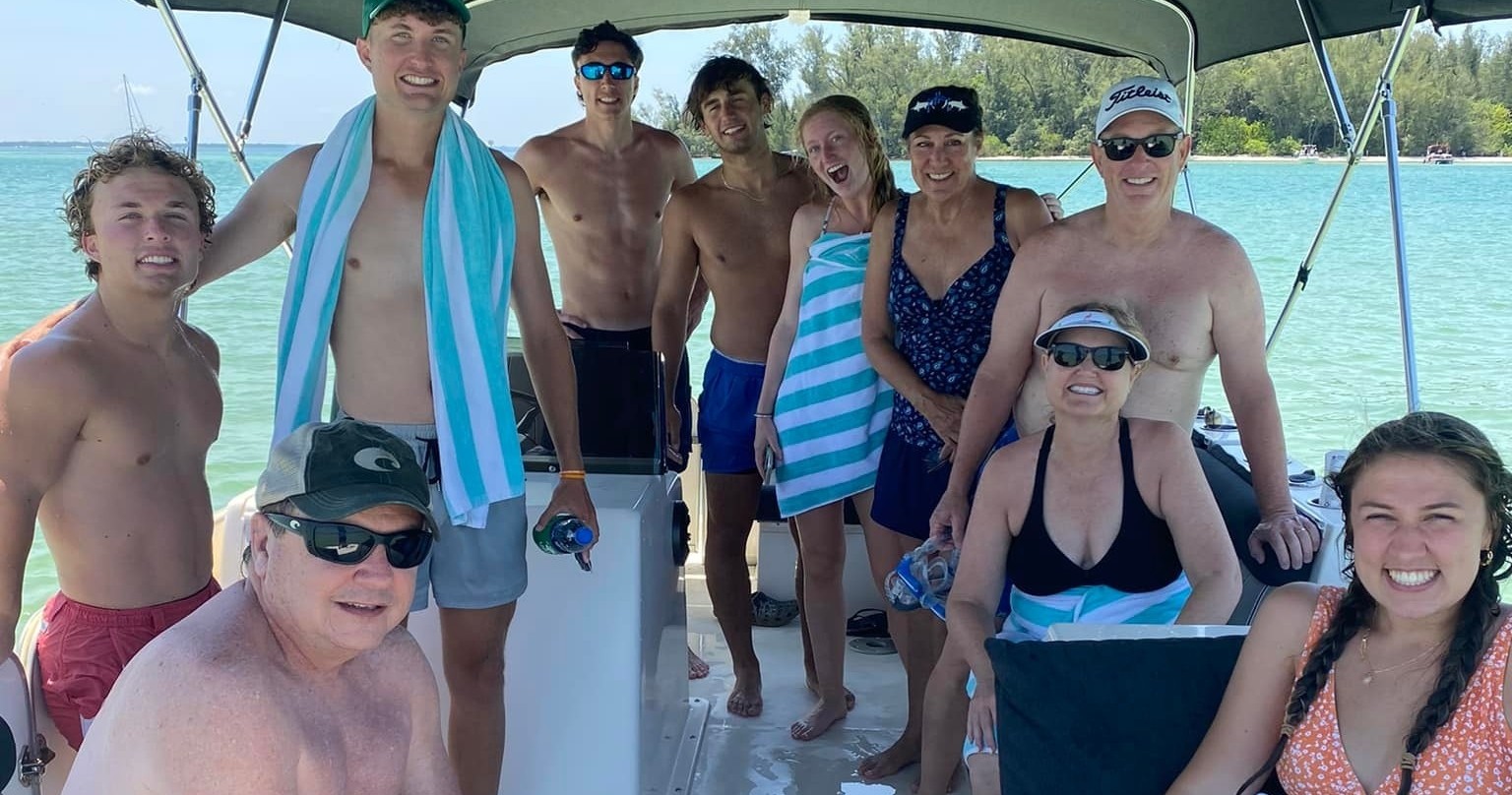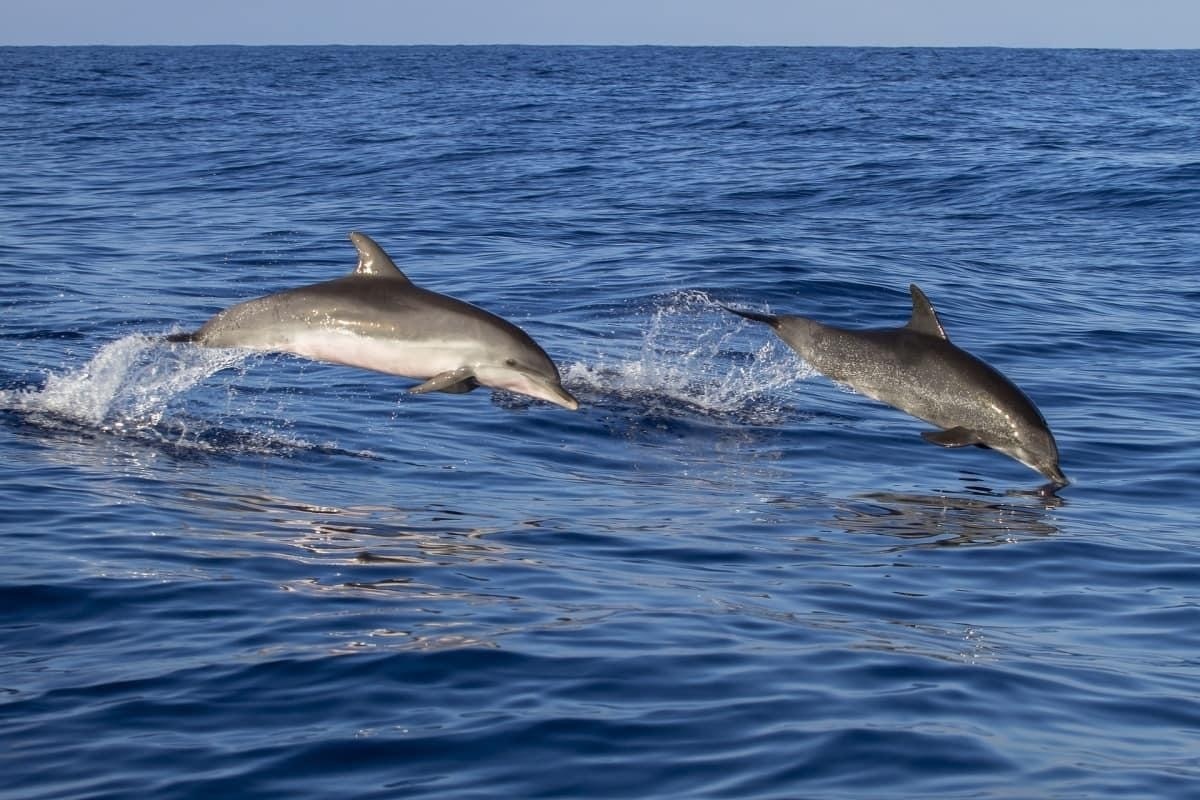
Morning comes easy on Anna Maria Island. The Gulf hums, the sky pulls on a silver-blue shirt, and the wind moves like a local—unhurried but sure of every shortcut. You step aboard a small, open-deck boat near Longboat Pass, where North Sarasota Bay breathes behind the barrier islands. The captain eases the throttle, and the wake unwinds like a ribbon into water so clear you can see turtle grass combed by the tide. Osprey circle with the confidence of regulars. Then, a gray arc breaks the surface—bottlenose dolphin—and the bay seems to smile with you.
This is the rhythm of the Anna Maria Island Eco Dolphin Tour, a two-hour exploration of an estuary that never stops introducing itself. The boat threads into the protected backwaters that shelter manatees, sea turtles, and shorebirds, skimming past sandbars bright with terns and the mangrove edges of Jewfish Key. You’re not racing to a checklist; you’re reading a living coast that rewrites itself with each tide. The captain points to the V of a dorsal fin sliding behind the boat’s shadow and slows. Dolphins draft the pressure wave, surfing with a casual grace as if the bay itself were pushing them along.
What makes this stretch of water special isn’t only the wildlife—it’s the story beneath the surface. Sarasota Bay is a classic Gulf Coast estuary, where Gulf water and freshwater meet over seagrass meadows that power the whole food web. Those meadows shelter juvenile fish, feed manatees, and filter the water into that crystalline palette photographers chase. Barrier islands like Anna Maria and Longboat sculpt this lagoon into a quiet refuge, even when the Gulf runs choppier. And just across the drawbridge, the historic fishing village of Cortez still mends its nets and serves grouper fresh enough to warrant a detour after your ride.
Dolphins are year-round residents here—locals, not guests. The captain explains how to read their behavior: tight, purposeful arcs when they’re hunting mullet; languid rolling breaths when they’re traveling; exuberant leaps when the current dares them to play. You learn the rules too: we observe, never pursue; we give space; we let the pod choose the encounter. It’s not a theme-park performance. The bay sets the terms. That respect frames the entire experience, and it’s what makes this eco-tour feel grounded, not canned.
On warm days, the bay flickers with sea turtle shadows, and in late spring manatees motor by like gentle blimps. In winter, the light goes clean and sharp, migratory birds pack the shoals, and the breeze adds a salt-crisp edge to the ride. No matter the season, the captain’s running commentary is the connective tissue—how to spot a cormorant’s slick profile, why turtle grass regrows slowly after prop scarring, what the tide is whispering about where dolphins will be. These guides are the kind of patient instructors who elevate a simple cruise into an education, and it shows. If you want to preview or book, the Anna Maria Island Eco Dolphin Tour page lays out times and details.
The practical side is straightforward. Tours top out at six passengers—a U.S. Coast Guard limit for small, uninspected vessels—which keeps the experience intimate and nimble. Bring a soft-sided cooler with water and snacks; adult beverages are allowed, and a small toast when the sun burns through the haze feels right. Polarized sunglasses are a must to cut the glare and spot fins and turtles below the surface. Expect a light sprinkle of spray, especially when the wind lines up with the channel, and pack a windbreaker in spring and fall when the air can carry a bite. If your group is larger, ask ahead; the operators often coordinate bigger boats. Local knowledge goes a long way—check with the local experts for availability and the best window for calm water.
Timing matters. Mornings usually serve up the smoothest water and the most consistent wildlife activity, before the sea breeze strolls in and summer clouds build into afternoon theatrics. The bay will talk to you if you listen: pelicans rafted and diving near a cut often mean baitfish, which often mean dolphins. The current tugs you toward passes, then releases you into broad grass flats that glitter in slabs of turquoise. Even on a relaxed circuit, the boat covers a lot of microhabitats, each with its cameo—mangrove crabs tightrope-walking prop roots, needlefish streaking like thrown silver, an egret that looks like it’s considering your life choices.
You don’t need hardcore gear or specialized skills for this trip; it’s welcoming to families, grandparents, and anyone who can step on and off a stable boat with light assistance. Still, this is the coast, and it rewards a bit of preparation. Hydrate. Respect the sun. Keep your phone in a small dry bag and switch to burst mode when fins show. And give yourself time after the tour to linger on the island: wade at Coquina Beach, climb the lookout at Leffis Key Preserve, or drift across the bridge for fresh catch in Cortez.
In the end, the best measure of a water day is how you feel when you step back onto the dock. Here, you feel rinsed in a simple kind of wonder. The current nudged you forward. The dolphins decided to meet you. The bay did what it does—go about its business while generously letting you watch. If you’re chasing a Florida experience that’s both easy and elemental, this is your lane. Check schedules and reserve through the Anna Maria Island Eco Dolphin Tour, bring a cooler, and let the tide set your pace.