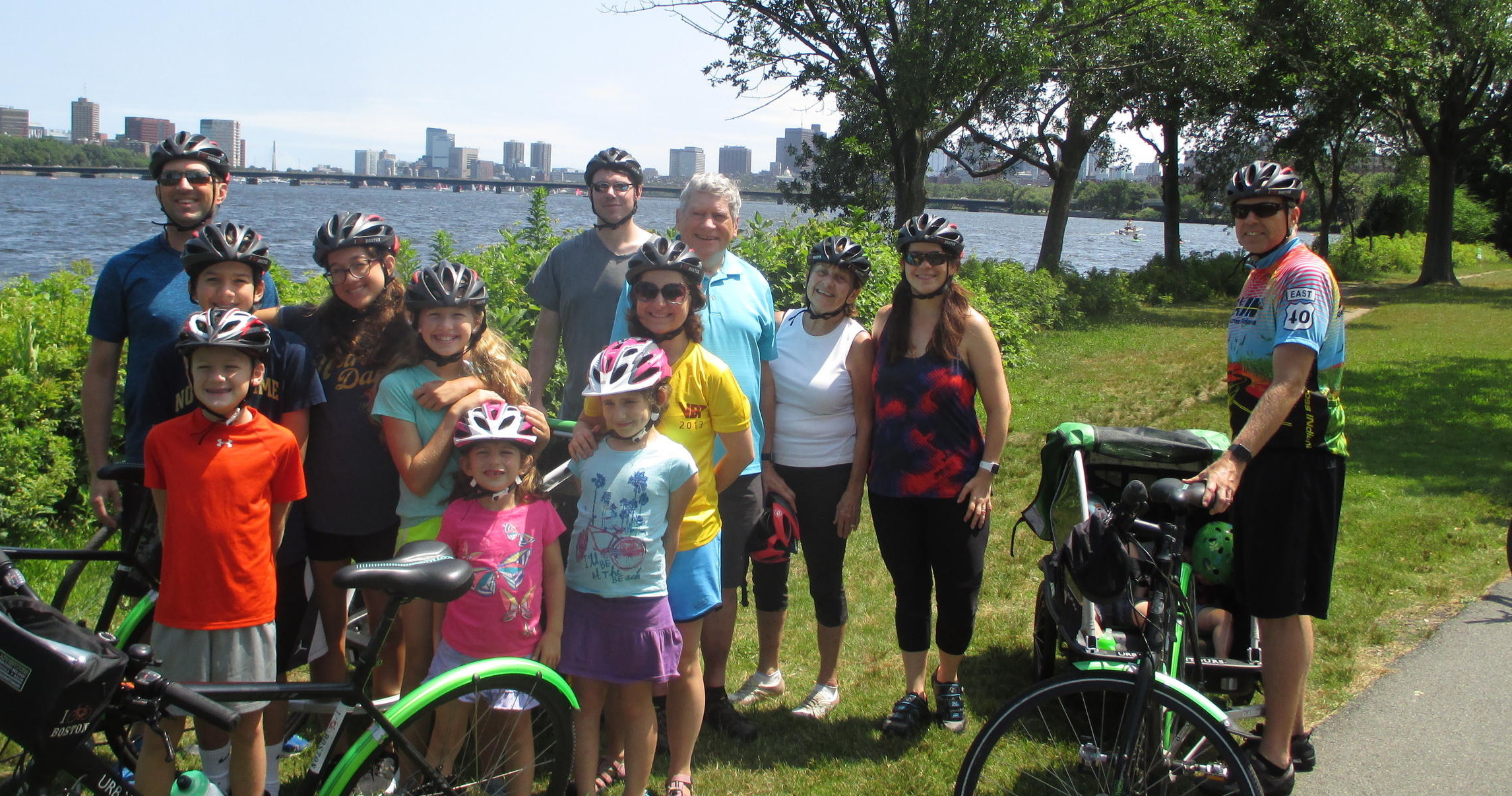
Morning leans bright over Boston Harbor as you clip your helmet and kick off from 103 Atlantic Avenue, where the smell of salt and roasted coffee threads through the North End. The Charles River is already awake, glinting like a metronome as rowers pull past the Esplanade. Wheels hum, a small chorus on asphalt, and the city answers—gulls heckle, crosswalks chirp, and the river breeze urges you west, daring you across the Longfellow Bridge into Cambridge.
This is the Tour de Cambridge, a 12–14 mile, 2.5–3 hour loop that trades skyscrapers for spires and labs for lecture halls. It’s a ride designed to show the city’s brainy twin, where quads buzz with ideas and bike lanes braid the streets. About half the route drifts along separated paths, letting you breathe in the wide-open sweep of the Charles and its skyline mirrors. The other half flows through city lanes—predictable, calm when you follow a guide’s wheel—reminding you that Cambridge learned to make space for cyclists long before it was trendy.
On the Longfellow Bridge, the granite towers keep watch like stoic sentinels—locals call them the salt-and-pepper shakers—and the wind pushes at your shoulders, playful one moment, insistent the next. From midspan, Boston stacks itself in clean angles: the Custom House clocktower, the glassy ribs of the Seaport, the domes and cornices that anchored this port when tall ships filled the harbor. Pivot north, and the river widens like a smile. Cambridge, Boston’s left bank, beckons.
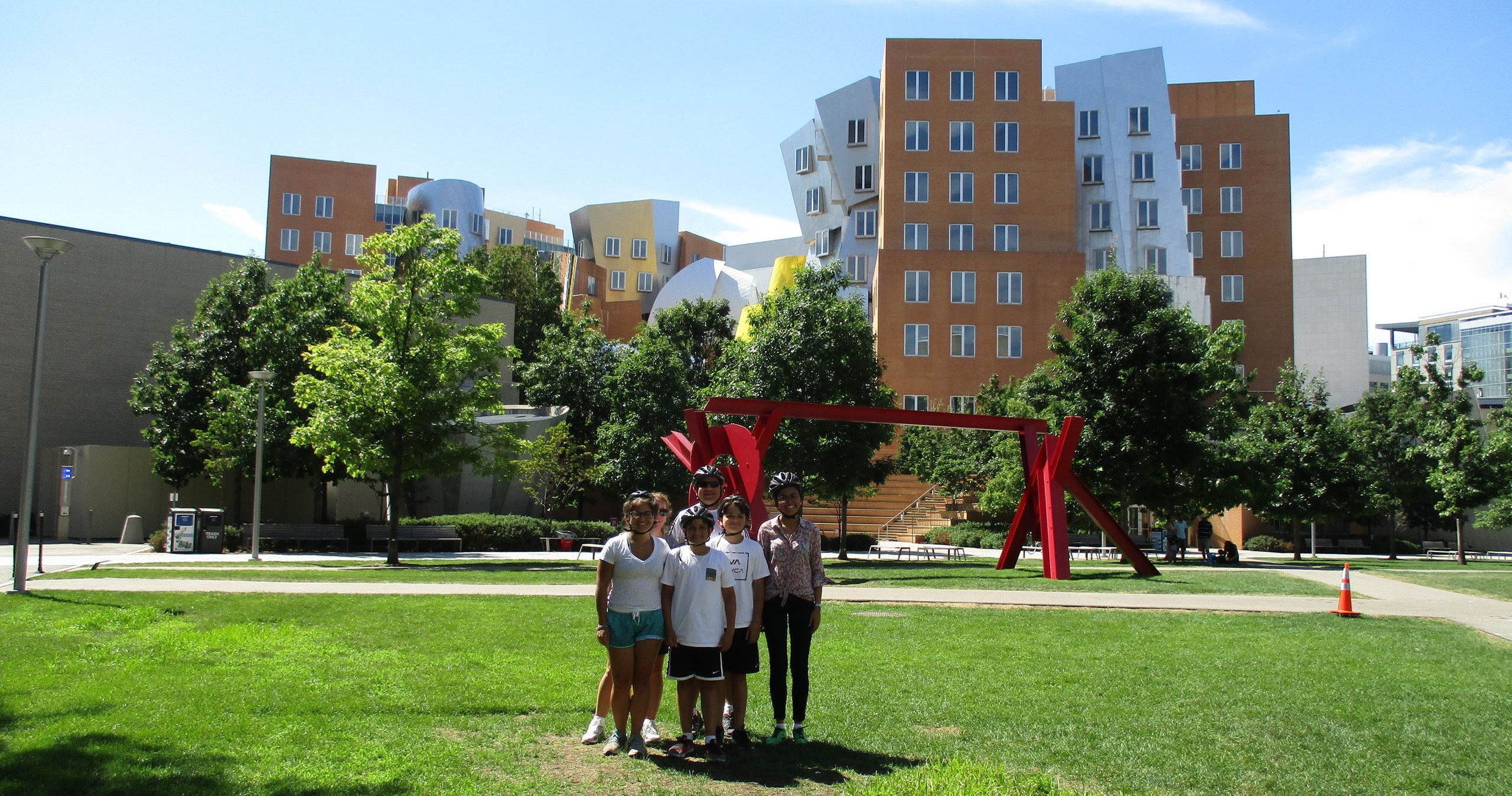
The rhythm changes in Kendall Square. Cafés shake off sleep, biotech campuses wake up, and your guide points to a brick corridor where the Infinite Corridor at MIT lines up with the sun twice a year—a perfect architectural eclipse. You roll into the Frank Gehry–designed Stata Center, all slants and sly reflections that refuse to sit still. The building seems to grin back at your bike, a geometry problem you can ride through. Cambridge’s sense of play feels tangible here; this is a city where curiosity has a permanent address.
A few easy turns and the campus thins into riverbank again. The Charles is in a helpful mood today—glassy and steady—urging your group downstream as runners and strollers drift by. At Harvard Square, the century-old red brick closes in, and history lifts its chin. Harvard Yard sits quiet, a place where 17th-century roots still hold. The bike lane threads past bookstores, street musicians, and morning lectures where a dozen languages mingle at crosswalks. The ride doesn’t linger long, but it lingers just enough—time to feel the cadence of America’s oldest university before returning to the river’s open stride.
What makes this ride special isn’t just the marquee names; it’s how the city and river share the work. The current pushes forward, the paths invite, and the bridges—Longfellow, Weeks, maybe the BU Bridge shimmering in the distance—connect everything with graceful intent. No part feels rushed. The route is gentle on elevation, varied in texture, and steady in discovery. You roll, you look, you learn.
Guided by an expert who carries both route knowledge and neighborhood lore, you’ll hear how Memorial Drive closes to cars on summer Sundays, ceding pavement to walkers and wheels. You’ll learn when to ring your bell, where the Esplanade willow trees curtain the water, and why Kendall’s startups turned old brick into new ideas. If you want a preview or to book with confidence, tap into local expertise at the official page for the ride: Tour de Cambridge. You’ll find the essentials and the little details that make a city ride smooth.
Practical edge, meet pedal strokes. A few facts help set expectations. The distance—12 to 14 miles—suits confident riders who are comfortable sharing city streets and navigating intersections with a guide. About half the ride is on protected bike paths, the rest on well-marked lanes and calm roads. The surfaces are mostly paved and smooth, with enough bridge ramps and river breezes to keep things lively. Tours run at 10 a.m. and 2 p.m., sweet spots for soft light and softer traffic. The operator supplies an individually-fitted bike, helmet, water, and a guide; you bring closed-toe shoes, a layer for the river wind, and a sense of attention that keeps group riding safe and easy.
As the hours warm, the city leans into the flow. By the time you roll back to the waterfront, quads feel awake, not spent. This is sightseeing with agency—you’re part of the city’s choreography, not just watching it. If you want more, upgrade to an e-bike and add a touch of glide to every bridge ramp; or extend your wheels for a full-day rental to keep exploring the Harborwalk, Castle Island, or the Emerald Necklace after the tour. For planning help and in-depth booking info, check the ride’s profile here: Tour de Cambridge.
A note on seasons: spring brings blossoms along the riverbanks and a gentle breeze that nudges you into corners. Summer can turn the Esplanade into a vibrant parade of picnics and sailboats. Fall is the winner’s circle—cool air, crisp light, and elms painting the river in copper and gold. Winter riding, when offered, demands real layers and careful tire checks, but the river’s quiet is unmatched.
This tour works because Cambridge knows how to welcome bikes—and because the river knows how to tell a story. The Charles doesn’t just frame the ride; it animates it, pressing forward with the sort of momentum that makes cities possible. By the last turn, when the skyline stacks up again and the harbor’s brine reaches you before the dock does, you realize that you’ve ridden a narrative arc as much as a route—brainy, breezy, and balanced. And you’ll know exactly where to send the friend who asks for the best way to see Harvard, MIT, and the river in one go: right here, with the Tour de Cambridge.