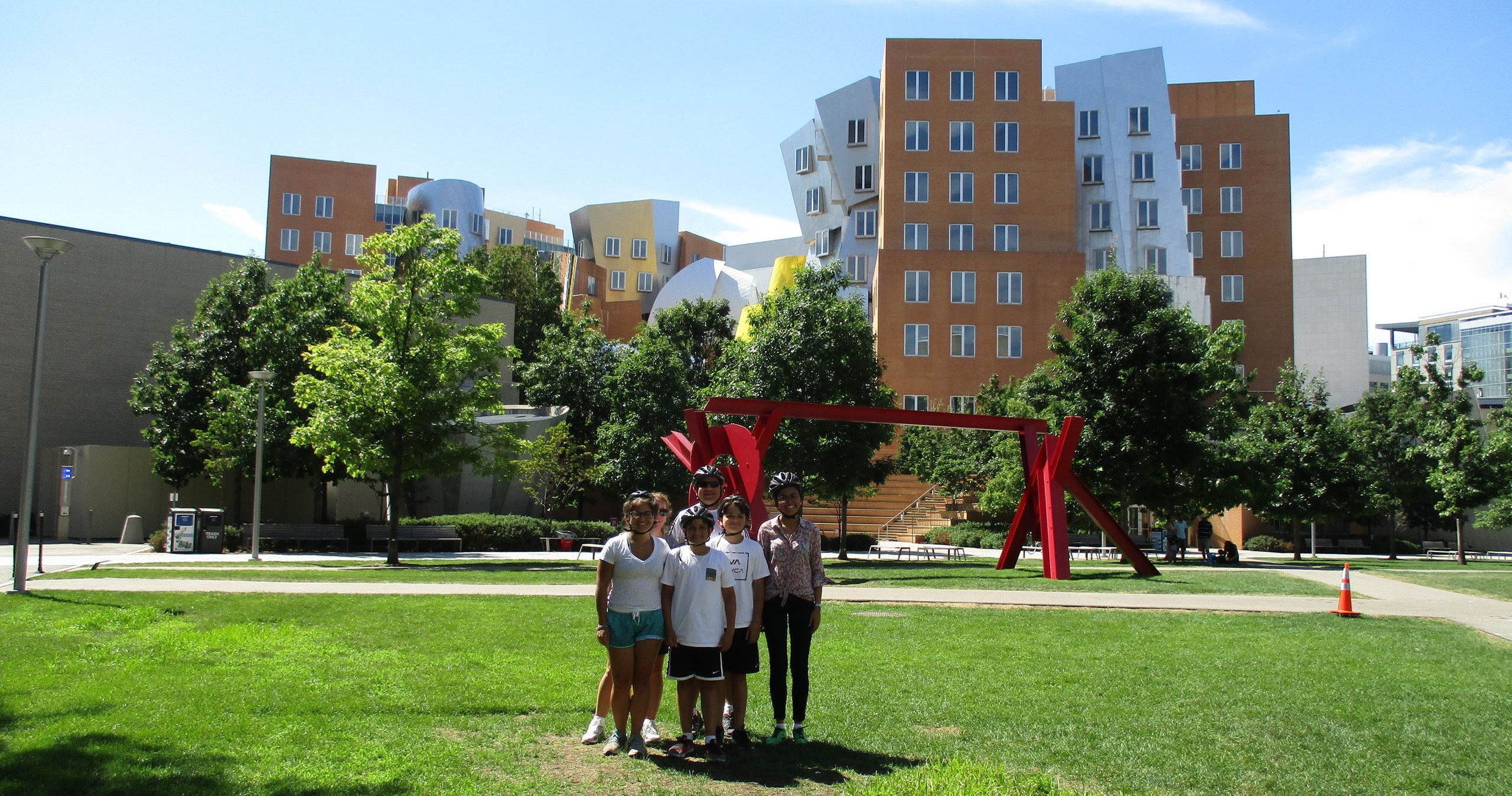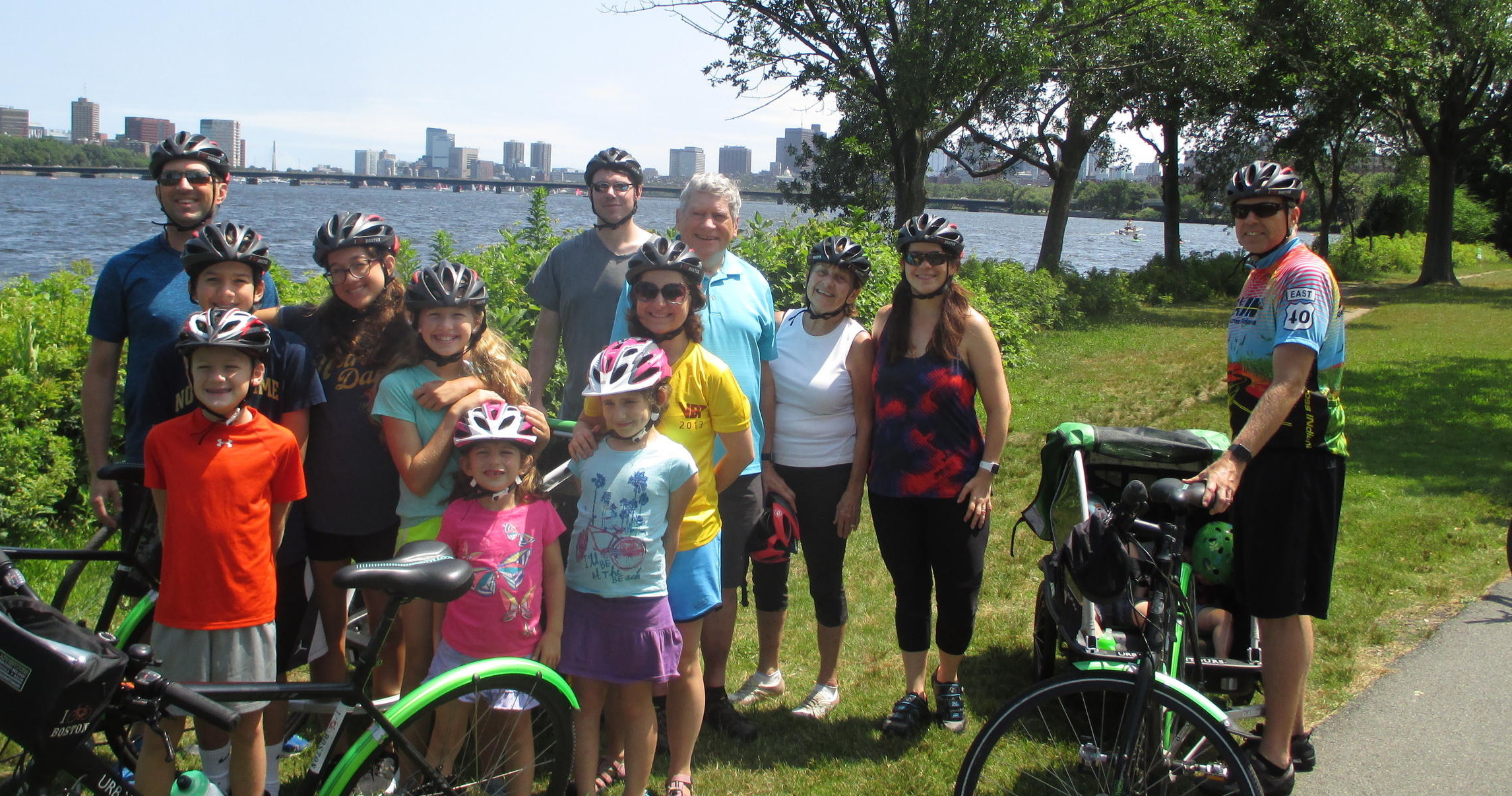
A bicycle bell rings like a friendly hello, and the Charles River answers with a soft chop that nudges you forward. Morning light skims the glass of Boston’s skyline; runners thread the Esplanade; scullers carve tidy lines upriver as if drawing your route in water. Within a few easy pedals, the city relaxes. Streets step back. The river takes the lead. This is the Tour de Boston—an approachable, guided spin along the waterfront that trades stoplights for river breezes and keeps the focus on smooth miles and big views.
Starting steps from the harbor at 103 Atlantic Ave, you meet your guide and roll out in a small group—helmets snug, seats dialed, water bottles clinking. The route wastes no time showing off: the leafy Charles River Esplanade, the open lawn of the Hatch Shell, and those postcard angles where Boston and Cambridge share the same frame. The path is mostly flat, mostly car-free, and intentionally unhurried. Families tuck in together. First-time visitors find their balance. Even seasoned cyclists loosen their shoulders as the river’s steady current seems to set the cadence.
The Tour de Boston keeps the storytelling rooted in place. Look up and the Leonard P. Zakim Bunker Hill Memorial Bridge rises ahead, a harp of cables sweeping the sky—an icon of the Big Dig era and a symbol of a city constantly reinventing itself. Look across the water and the low, elegant arc of the Longfellow Bridge links Beacon Hill to Kendall Square, its ironwork a reminder that Boston’s infrastructure can be as artful as its museums. At the Charlestown Navy Yard, Old Ironsides—the USS Constitution—rests with a confidence only centuries can grant. Launched in 1797 and still a commissioned warship, she doesn’t so much sit at her berth as hold court.
History hangs everywhere here, but it never feels heavy. The Esplanade itself rides on a story of renewal. Built on reclaimed riverbank over the last century, it turned a once-industrial shoreline into one of the Northeast’s most beloved urban parks. The Charles River, once a byword for pollution, has become a national cleanup success story; on warm days you’ll see sailboats leaning into a seabreeze that sneaks in from Boston Harbor. The river seems proud of its comeback, pushing forward, inviting you to keep pace.
Part of the charm of this route is its balance: 75% of the time you’re on dedicated bike paths where kids can pedal without white-knuckle parents; the remaining short stretches of city riding are guided with calm, clear direction. Guides set an easy tempo, call out turns and crossings, and point you toward the best angles for photos. In two to two-and-a-half hours, you cover under 10 miles, stringing together the Esplanade, the Zakim’s bold geometry, and a close look at the Constitution, with skyline vantages that feel like they were designed for postcards.
It’s all built to be welcoming. If you’re new to urban riding, the Tour de Boston lets you ease in. If you’re traveling with kids, the shop can fit trail-a-bikes or child seats (note that Burley trailers and tandems aren’t permitted). Bikes and helmets are included; water is provided; and luggage or bulky jackets can stay safely at the shop. Prefer a little extra boost? There’s an e-bike upgrade if you want to float the flats. Fall in love with the feel of Boston at 10 miles per hour? Extend your rental after the tour and keep exploring the Greenway or the South Boston waterfront on your own.
The rhythm of the day is simple: departure at 10 a.m. or 2 p.m., legs turning, river glinting, the city unfolding one bend at a time. Little moments stand out: a busker’s song drifting over from the Hatch Shell, dragon boats fanning out like bright leaves, a heron lifting from the reeds as if on silent hinges. This is city riding with the edges softened—wind in your hair, salt in the air, the skyline close but not crowding.
And yet the Tour de Boston isn’t just a feel-good spin. It’s a primer on how to move through Boston with confidence. You learn signaling etiquette, how to share space respectfully with runners and strollers, and where to pause for views without clogging the lane. Those small skills open up the city in a new way, delivering permission to explore more on two wheels—today or the next time you’re in town.
For planning, think practical. Wear closed-toe shoes and bring sunglasses; the river glints can be bright on clear days. In summer, sunscreen is a must. A light layer helps when the breeze slides along the river in spring or fall. Hydration is easy: the guides carry water, and there are public fountains on the Esplanade for refills. Because the paths are flat, the ride’s less about fitness and more about curiosity—keeping your eyes up, letting the river do the guiding, and making time to take in the views.
Ready to roll? Book your spot on the official Tour de Boston page here: Tour de Boston bike tour. Want more context before you go—what’s included, timing, and how to add an e-bike or extend your rental? This guided bike tour in Boston lays out the details clearly so all you have to do is show up and ride.
If you’ve only seen Boston from a car window or a harbor ferry, the Tour de Boston alters your mental map. Streets become threads, parks become rooms, and the river becomes a conversation partner—pacing you, encouraging you, pointing out where the city and sea meet and shake hands. You finish with legs pleasantly warm, camera roll full, and the sense that you traveled further than the mileage suggests. That’s the trick of a good route and a city that rewards curiosity: there’s always more ahead, and the river will happily lead you there.