The harbor air turns briny as you step onto Hanover Street, where the North End’s brick facades lean in like old friends trading secrets. A pot of chowder exhales steam that smells like sea and dairy and memory; an oyster shell catches the light like a coin flipped by the Atlantic itself. Boston’s oldest neighborhood hums—espresso machines hiss, church bells keep pace—and you fall into the easy, hungry rhythm of a city that still answers to the tide.
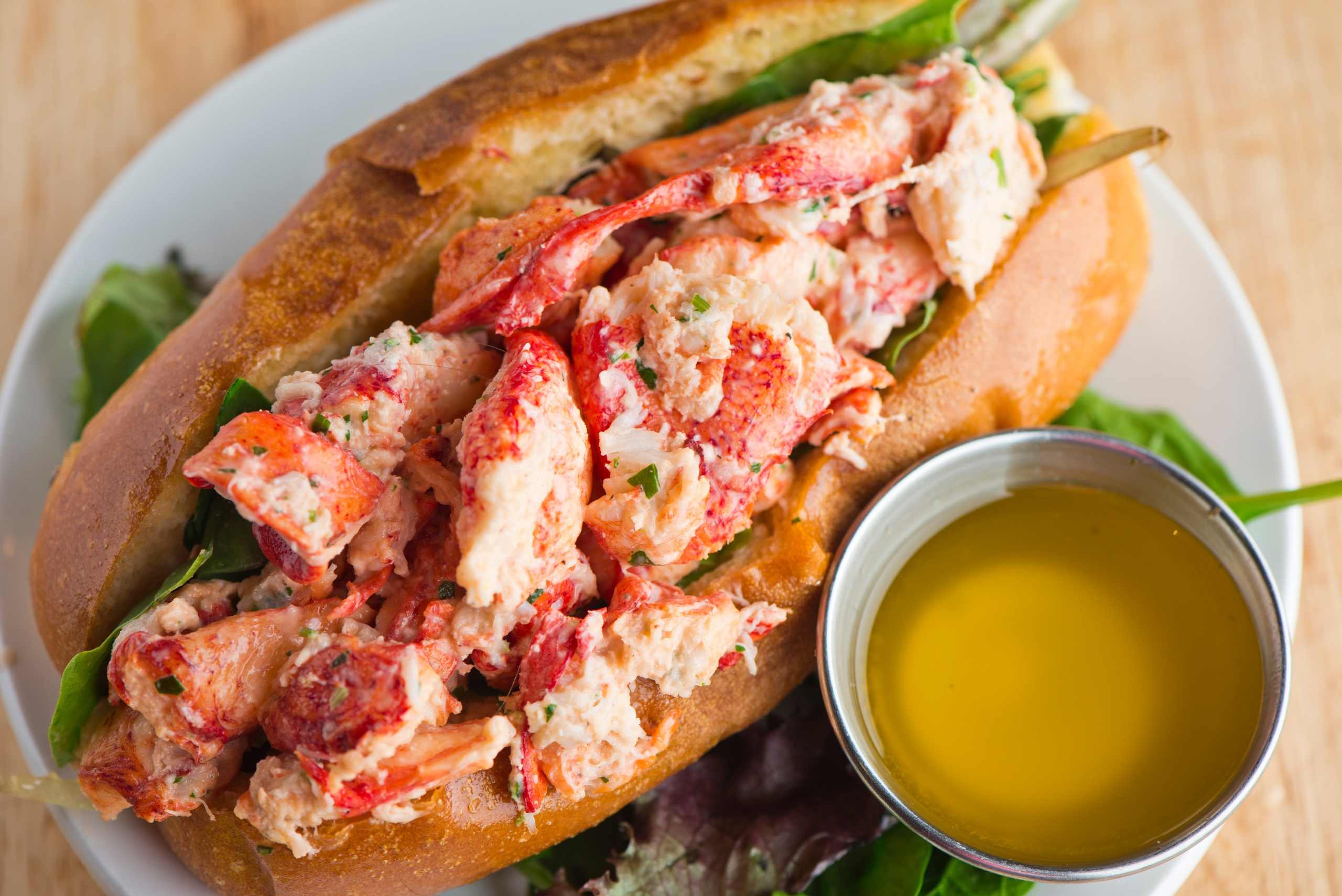
This is a stroll that eats like a feast. Over the course of 2.5 unhurried hours, the Boston Seafood Lovers Tour maps a line from the North End down to the water and back through the colonial spine of the city, stitching together iconic bites with touchstones of American history. You taste clam chowder the color of fog, delicate crab cakes crisped to a whisper, briny oysters that dare you to taste the harbor’s edge, and a lobster roll that pushes forward with sweet richness. Between stops, the tour drifts past living landmarks—Paul Revere’s modest wooden house, Old North Square’s brick geometry, the civic sweep of Faneuil Hall and Quincy Market—before finishing near the Tony DeMarco statue, where your last course is a North End pastry that proves dessert can be both heritage and punctuation.
At street level, Boston behaves like a storyteller. Cobblestones grip your soles and remind you this is a port first, a city second. On Long Wharf, granite blocks hold the line while ferries draw white stitches across the harbor. The Atlantic breathes salt into the alleys; gulls argue about your leftovers. It’s easy to imagine barrels of cod swinging from masts and casks of molasses rolling onto creaking timbers. For centuries, seafood wasn’t a trend here, it was survival—and prosperity. The Commonwealth’s “Sacred Cod,” a wooden effigy hung in the Massachusetts House chamber since the 18th century, is a reminder that this fish funded fortunes and folklore alike. Even the city’s cobbles tell a maritime tale—many were ballast stones, patiently carried by ships before settling into the streets you’re walking.
As you move between tastes, the route doubles as a syllabus: Old State House rediscovers its voice; the Blackstone Block’s narrow lanes tuck you into Boston’s colonial grid; Quincy Market still plays host to an ongoing argument about the city’s best chowder. It all feels close, because it is—the walk strings together tightly packed neighborhoods where the distance between sips and stories is measured in doorways. The Atlantic has the final word. On the waterfront, the breeze cuts warm days down to size and throws the scent of salt across tables. The tide tugs at the wharf pilings; the harbor flexes and you feel smaller, in a good way.
The food, of course, is the point—but it’s also a passport. Clam chowder (milk-rich, not tomato, because Boston stakes its claim on cream) asks you to slow down and consider the soft chew of potato against the chew of bivalves. Oysters—cold, clean, a little wild—announce the present tense of the harbor, a body of water rebounding dramatically since the 1990s cleanup that transformed it from punchline to pride. Crab cakes deliver the crunch-to-succulence ratio you didn’t know you needed. And that lobster roll? It’s a conversation between butter, bread, and the cold North Atlantic—the kind of simple that’s actually precise. If you opt to upgrade with a two-drink package, a crisp beer or house wine turns the walk into a parade.
The pace is relaxed and inclusive. This is an all-ages, city-flat wander over some uneven cobblestones and occasional curbs—comfortable shoes matter more than speed. Your guide, equal parts historian and chowder whisperer, calibrates the route to avoid bottlenecks and to give context to every bite. You won’t leave hungry, but you also won’t leave overstuffed; tastings accumulate into a satisfying arc. Bring questions about seafood sourcing, old Boston, and where to go next. You’ll likely get answers and a short list of bonus stops to explore later.
For first-time visitors, the tour works like a compass: it points you to the North End’s heart, down to the water, across the Freedom Trail’s narrative, and back through the alleys where Boston’s personality still hides in plain sight. Locals use it as a refresher course—an excuse to let the city do the talking while someone else leads. Either way, it’s a tidy way to meet the place on foot, fork in hand, with history close enough to touch.
If you want the most efficient way to taste the city and understand why seafood is Boston’s enduring love language, this is it. Book the Boston Seafood Lovers Tour directly through our trusted partners at this North End seafood tour page. You’ll find real-time availability, clear inclusions (lunch or dinner portions, water, and dessert), and the option to add drinks.
Planning is straightforward. The meeting point sits at 263 Hanover Street in the North End—a short ride from Logan Airport or a few stops on the MBTA, with the Aquarium, Haymarket, and Government Center stations all within walking distance. Parking is possible but scarce; the T is your friend. Dress for the weather, because Boston enjoys mood swings: sea breezes make summer more manageable and winter a touch sharper. If you have shellfish allergies or dietary restrictions, note them in advance; the team does its best to accommodate but certain items are integral to the experience. Wear layers, bring a refillable bottle, and keep pockets free for a few extra napkins.
There are shinier Boston experiences, taller ones, louder ones—but few that feel as honest as following your nose and your guide from kitchen to kitchen, from wharf to walkway, collecting the city in small, perfect bites. By the time you reach that final pastry, the harbor will have told you what Boston has always said: come hungry, and come ready to listen. Ready to step in? Reserve your spot on the Boston Seafood Lovers Tour and let the city do the rest.