Trap Lines and Tides: Portland’s Hands-On Lobster Demonstration Tour

Trap Lines and Tides: Portland’s Hands-On Lobster Demonstration Tour

Step aboard a working lobster boat in Portland’s Old Port and get hands-on with Maine’s most iconic catch.

Continue Reading

Fog lifts off Casco Bay like a curtain, revealing the toothy silhouette of wharves and working boats. Gulls heckle the morning while the tide nudges the hull—a patient metronome. You slip past the teal ticket booth at the end of Portland Pier and step aboard, where heavy orange aprons hang like armor and a steel hauler waits with quiet intent. The engine hums, the bow points toward open water, and the bay—a restless neighbor—invites you into the day’s work.

This 1.5-hour Lobster Demonstration Tour is not a show you watch from the sidelines; it’s a small apprenticeship in the heart of Maine’s most iconic fishery. Out on the trap lines, the crew talks you through the rhythm of a lobsterman’s morning, and the bay answers back. The hauler clutches a rope and the first wire trap rises, dripping with seaweed and story. You’re offered gloves, an apron, and the chance to stand shoulder to shoulder with the crew—measuring carapaces, spotting legal keepers, banding claws, tossing shorts and berried females back into the cold green. The bucket rattles with shell, bait scent rides the breeze, and the boat leans softly as the tide pushes forward.

There’s a hard-earned elegance to this work. Maine’s lobster fishery relies on simple, time-tested rules that protect the stock: escape vents for juveniles, no harvest of egg-bearing females, and size limits that favor a robust breeding population. You’ll see those rules in motion, not on a placard, but in the hands of the crew and in your own as you check the gauge against a lobst­er’s shell. This isn’t just catch and carry—it’s a snapshot of a living system that has shaped this coast for centuries.

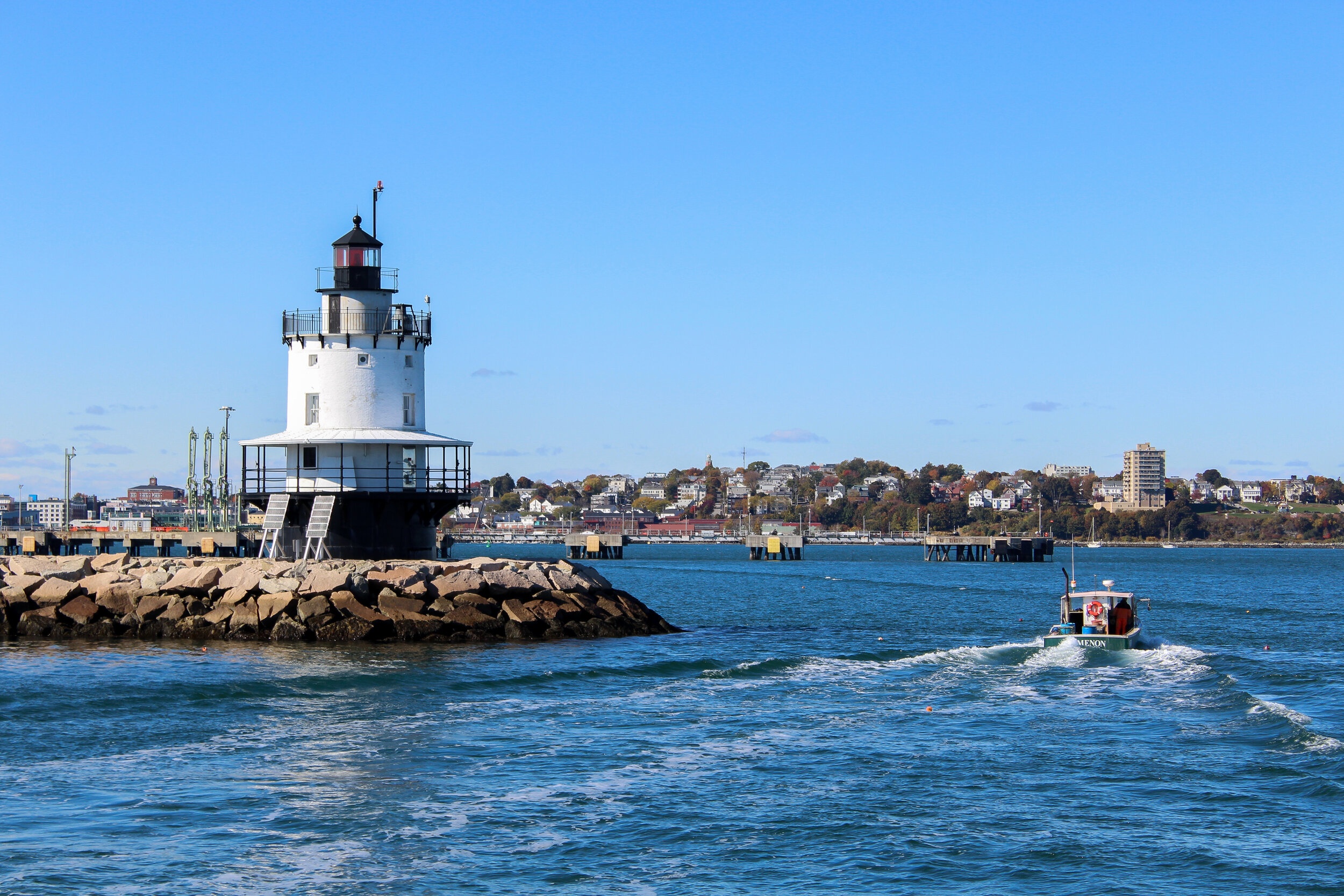
Casco Bay has long been a maritime crossroads. Portland’s working waterfront rose from the ashes of multiple fires and Prohibition scuffles to become one of New England’s liveliest harbor districts. The pier you left behind once hosted sail lofts and chandlers; today, it’s a mix of fish houses, eateries, and commercial boats. Out on the water, the heritage reads in the landmarks: channel markers standing like sentries, low islands wearing scruffy spruce, ferries threading between routes to Peaks, Little Diamond, and Great Diamond. Locals will tell you the bay has “as many islands as days in a year.” That’s a myth, but the real number—about 136—feels abundant when you’re skimming along the ledges.

The tour moves with purpose. Between trap sets, the crew shares stories—how bait has changed over the years, why certain coves outproduce others, what it means when the water temperature ticks up a degree. You may spot a seal’s whiskered head trailing the boat like a curious neighbor, or cormorants drying their wings in the wind. On clear days, the White Mountains hover faintly to the northwest; on foggy ones, the horn carries like an old friend, and the bay dares you to trust your compass.

Participation is optional, comfort is encouraged. If you’d rather watch, find a rail and take it all in—spray beading on the wood, lines snaking to the hauler, the precise economy of motion. Families cluster near the deck box, kids wide-eyed the moment a lobster clacks a claw. The crew keeps it welcoming and safe: there’s a bathroom onboard, a small covered area for passing squalls, and a steady hand guiding the pace. Tours operate rain or shine—this is a working harbor, and weather is part of the story.

Practicalities are straightforward. Check in 15 minutes early at 60 Portland Pier; parking is limited on the wharf, so consider a nearby garage or a walk from your Old Port stay. Bring your own snacks and drinks—there’s no concession aboard—and dress for Maine’s mercurial mood. On bright days, the water amplifies the sun; on breezy ones, the wind leans hard into the deck. Non-marking shoes earn you silent respect from the crew.

It’s easy to romanticize lobstering in the abstract. What this tour does best is anchor the romance in reality: the heft of a trap, the logic of the gauge, the crackle of radio chatter, the little decisions that add up to a sustainable catch. For a concise, hands-on window into this coastal culture, it’s hard to beat. If you want the full download—including where to meet, what to bring, and how to book—see the official Lobster Demonstration Tour page at this link. Looking for a short, family-friendly ocean experience that still feels authentic? This checks the box and then some.

By the time the last trap goes back over and the buoy skips away like a punctuation mark, you’ve picked up something useful: the feel for how a place makes a living. As the boat eases back toward Portland’s piers, the waterfront greets you with clattering halyards and the smell of butter and smoke drifting from shore. The bay has had its say; it nudged, pushed, and tutored. You step off with salt on your sleeves and a clearer picture of what it means to work the water here—and how the tides of tradition and change keep rolling through Casco Bay. For more insights and to secure your spot, revisit the Lobster Demonstration Tour details before you go.
Duration1.5 hours
Plan your visit

Trail Wisdom

Dress for wind and spray

Even on warm days, the bay runs cooler. Bring a windproof layer and non-cotton base to stay comfortable.

Wear non-marking shoes

Soft-soled, non-marking footwear keeps you stable on wet decks and protects the boat.

Beat parking stress

Old Port spots fill fast—use a nearby garage or rideshare and arrive 15 minutes early to check in.

Motion management

If you’re prone to seasickness, take non-drowsy medication 30–60 minutes before departure and keep eyes on the horizon.

Local Knowledge

Hidden Gems

  • Harbor Fish Market on Custom House Wharf for fresh take-home seafood
  • Eastern Promenade for sweeping post-tour views of Casco Bay

Wildlife

Harbor seals, Cormorants and eider ducks

Conservation Note

Follow crew guidance to handle lobsters safely, pack out all trash, and avoid single-use plastics that can harm marine life.

Portland’s waterfront has been a commercial lifeline since the 1600s; Maine’s lobster fishery has used size limits and protection for egg-bearing females for over a century to sustain the stock.

Seasonal Guide

spring

Best for:Cool-weather comfort, Quieter crowds
Challenges:Chilly winds, Unpredictable rain

Crisp air and space to spread out. Expect layers and passing showers; tours run rain or shine.

summer

Best for:Family outings, Warm temps and clear views
Challenges:Busy parking, Strong sun and glare

Peak season for calm seas and wildlife sightings. Reserve ahead and pack sunscreen and water.

fall

Best for:Golden light, Stable weather
Challenges:Cooler evenings, Shorter daylight

A sweet spot for photography and comfortable temps; bring an extra layer for the ride back.

winter

Best for:Hardy travelers, Moody harbor scenes
Challenges:Cold wind, Limited tour availability

If operating, expect frigid air and dramatic seascapes—dress in heavy layers and waterproof gloves.

Photographer's Notes

Shoot in burst mode during trap hauling to freeze action. A circular polarizer cuts glare on the water and reveals detail in the traps. Keep your shutter 1/500 or faster for sharp shots on a moving deck, and protect gear with a microfiber cloth and zip-top bag for spray. Golden hour departures yield warm light on the islands and working waterfront.

What to Bring

Windproof/Warm Layer

Essential

Bay breezes run cooler than shore—bring a shell or insulated layer to stay comfortable.

Non-Marking Deck Shoes

Essential

Grippy soles help on wet decks and keep the boat free of scuffs.

Sun Protection (Hat, Sunglasses, SPF 30+)

Essential

Water glare intensifies sunlight; protect skin and eyes during bright conditions.

○

Motion Sickness Tablets or Ginger Chews

If you’re sensitive to motion, pre-treat to enjoy the full experience comfortably.

Common Questions

Can I bring food and drinks on board?

Yes. There is no food or beverage service, so bring your own snacks and non-alcoholic drinks.

Is there a bathroom on the boat?

Yes, there is a marine restroom available for guest use.

Do tours run in the rain?

Yes. Tours operate rain or shine. There is a small covered area, but plan appropriate rain gear.

Is the tour suitable for kids?

Yes. It’s family-friendly and hands-on; infants require a ticket and must be accompanied by an adult.

Where should I park?

Parking on Portland Pier is limited and metered. Use nearby garages, lots, or street parking in the Old Port.

Do I need prior experience to handle lobsters?

No. The crew provides gloves, guidance, and supervision for measuring, banding, and safe handling.

What to Pack

Windproof layer: the bay runs cooler than shore; Non-marking shoes: better traction and boat-friendly; Sunglasses with polarization: reduce glare and eye strain; Water and snacks: there’s no concession on board.

Did You Know

Casco Bay is often called the “Calendar Islands” for supposedly having one island for every day of the year, but the true count is roughly 136 islands and islets.

Quick Travel Tips

Arrive 15 minutes early for check-in at the teal ticket booth; Book morning departures for calmer seas; Use a garage or rideshare to avoid scarce pier parking; Bring cash or a card for gratuities and nearby Old Port eats.

Local Flavor

After the tour, walk to J’s Oyster for old-school harbor vibes, or grab a brown-butter lobster roll at Eventide Oyster Co. Craving a casual classic? Highroller Lobster Co. nails creative rolls without the fuss. Cap it with a local brew at Oxbow Blending & Bottling on Washington Ave, then stroll the working piers to watch the harbor wind down.

Logistics Snapshot

Closest airport: Portland International Jetport (PWM), ~15 minutes by car. Meeting point: Teal ticket booth at 60 Portland Pier. Parking: Limited and metered on the pier; use nearby garages. Cell service: Generally good in the harbor, occasional dead spots offshore. Permits: None required; bring your reservation confirmation.

Sustainability Note

Respect the working waterfront. Pack out all trash, secure loose items that could blow overboard, and follow crew guidance for handling and releasing lobsters—these practices protect Casco Bay’s ecosystem and the fishery’s future.

Topics