Two Days in Xi’an: Warriors, City Walls and the Vertigo of Mt. Huashan

Two Days in Xi’an: Warriors, City Walls and the Vertigo of Mt. Huashan

From ancient trenches to sky-edge ridgelines — a compact two-day Xi’an adventure for history lovers and hikers

Continue Reading

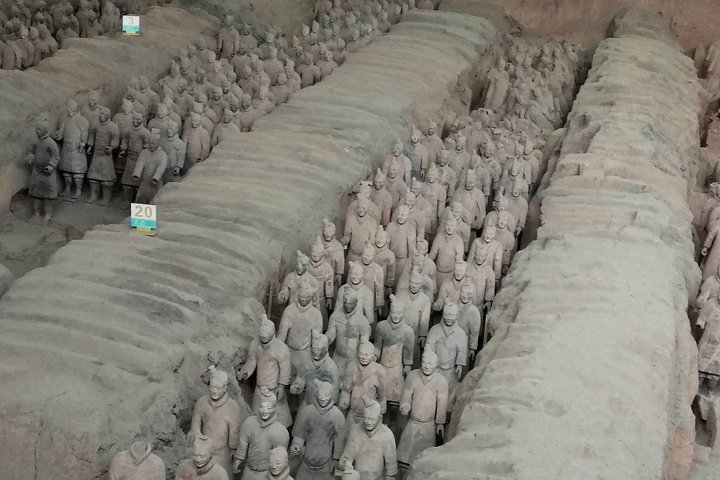
You step out before dawn into Xi’an’s old streets and the air tastes faintly of frying scallions and cumin — the aromatic prelude to two days that will flip between imperial gravity and vertiginous rock. The first morning is ceremonial: a narrow lane that leads to the Terracotta Warriors, their silent ranks lit like an army caught mid-breath beneath a vast, modern hangar. On day two you trade the archaeological hush for the rasp of climbing chains and the sun slanting off granite so steep it seems to defy gravity — this is Mount Huashan, one of China’s Five Great Mountains and a place where pilgrimage and adrenaline share the same path.

The itinerary is compact and deliberate. Day one is history: a private transfer from central Xi’an to Lintong, where the Terracotta Army — the vast funerary sculpture commissioned by Qin Shi Huang (circa 210 BCE) — sits in three main pits. The scale hits you in meters and in decades: rows of life-sized figures, each with individualized faces, some still with traces of pigment. Later, you’ll walk Xi’an’s city wall, a 14th-century rampart that’s wide enough for a quiet cycle and narrow enough to feel like stepping back into the Ming dynasty’s defense line. It’s a measured way to learn the city’s layered past before the more muscular challenge.

On day two the focus shifts east to Mt. Huashan (Hua Shan), a granite colossus 120 km from Xi’an. The mountain’s five peaks puncture the sky; the highest, the South or West Peak depending on route, rises to just over 2,000 meters. Hike routes vary: you can hike the classic trail from the valley floor and test your legs on the thousand-plus stone steps and iron chains, or take the cable car and spend your energy traversing the ridge line between peaks. Either way, the terrain is relentless — granite slabs, sheer staircases carved into the rock, narrow ridgelines where the wind seems to have its own plans. The reward is uncompromising: oceanic views of terraced foothills, a patchwork of villages, and Taoist temples tucked into ledges.

The tour’s strength is its balance: accessible history paired with a raw outdoors challenge. It’s curated for travelers who want context and logistics handled (a private guide, entrance fees, transfers are included), but it doesn’t shield you from the physicality of Huashan. That’s intentional. Huashan’s cliffs are part theater, part spiritual corridor; pilgrims for centuries have threaded the same chains that now test your grip. There’s also an optional thrill here — the infamous Plank Walk — but your guide will advise when caution is smarter than bravado.

Practical details matter on a loop like this. The full experience runs two days (this product lists duration at 48 hours), and it’s a private tour priced from about $419. Timing is everything: both Terracotta and Huashan are popular, so an early start reduces crowds and gives you better light for photos. For Huashan in particular, choose the cable car if you want a less punishing ascent; it’s a tradeoff of effort for time and exposure. The walking around the peaks and between scenic points can add up to 8–10 hours of active time on day two, with cumulative elevation changes that depend on route — expect vigorous climbs, many stone steps, and some exposed sections requiring sure-footedness.

Culture threads through both days. The Terracotta Army is a reminder of centralized imperial power and the lengths to which an emperor went to secure an afterlife. Huashan, by contrast, is about ascent and solitude: Taoist monks have carved hermitages into its cliffs and left shrines where the wind whistles. Between the two, Xi’an itself is a living mosaic — its Muslim Quarter vibrates with street-food vendors and Muslim Hui culture, a delicious counterpoint to the monumental sites you’ll visit.

Mt.Hua Challenge Tour

For logistics and comfort: pack layered clothing, sturdy shoes with good grip, gloves (for chain sections), and a light rain layer if forecasts threaten. Bring cash for small purchases at mountain stalls and an extra battery or power bank; while cell service is generally adequate in Xi’an and at major tourist nodes, it thins on exposed ridgelines. Be ready to listen to your guide — safety briefings are practical and not optional on Huashan’s exposed parts.

If you’re booking this two-day private option, you’ll get more than a checklist; you get tempo. One morning to slow down among rows of ancient soldiers and follow the city wall at a steady clip; the next to move with intent up a mountain that dares you to be deliberate. It’s a neat pairing for travelers who crave both cultural depth and an element of physical challenge, all wrapped in a private, logistics-light shell. When you return to Xi’an after the hike, a bowl of biangbiang noodles or a sit-down dumpling banquet feels earned — and the city’s evening lights and easy beers are the right kind of small celebration for two days that will have shifted the scale of your travel expectations.
Duration2 days (full days; 8–10 hours active hiking on day 2)
Group Size1–12 Guests
LanguagesEnglish
Rating5.0 (5 reviews)

Not recommended for pregnant travelers

Not recommended for travelers with poor cardiovascular health

Plan your visit

Trail Wisdom

Start Early

Beat the crowds and catch the best light at the Terracotta Museum and on Huashan by departing Xi’an before first light.

Footwear Matters

Wear sturdy, grippy hiking shoes—Huashan’s stone steps and chains demand traction and ankle support.

Cable Car Option

Use the cable car to shorten ascent time and avoid the steepest stair sections if you want more time on the ridge.

Carry Cash & ID

Bring cash for small vendors at Huashan and your passport for ticket checks at Terracotta Warriors.

Local Knowledge

Hidden Gems

  • Huaqing Hot Springs near Lintong — historic baths tied to Tang dynasty stories
  • A less-trafficked viewpoint at Huashan’s West Peak for sunrise panoramas

Wildlife

Rhesus macaque (in lower slopes and tourist areas), Blue magpie and other mountain birds

Conservation Note

Both sites are managed to protect cultural and natural resources — stick to marked trails, don’t touch artifacts, and avoid feeding wildlife.

The Terracotta Army dates to the late 3rd century BCE and guards Qin Shi Huang’s mausoleum; Mount Huashan has been a Taoist pilgrimage site for over two millennia.

Seasonal Guide

spring

Best for:Wildflowers and cooler hiking temperatures, Fewer crowds than summer
Challenges:Occasional rain and muddy lower trails, Variable temperatures

Spring brings fresh mountain growth and pleasant daytime temperatures, but be ready for rain and chilly mornings.

summer

Best for:Lush valley views, Long daylight hours for extended hiking
Challenges:Heat in Xi’an and potential afternoon storms on Huashan, Peak tourist crowds

Summer offers full foliage and long days; start early to avoid heat and afternoon thunder.

fall

Best for:Crisp air and autumn color, Cleaner skies for panoramic views
Challenges:Cooler nights and shorter daylight, Potentially windy ridgelines

Autumn is ideal — clear vistas and comfortable hiking temps — but pack a warm layer for windy peaks.

winter

Best for:Quieter trails and frosted summits, Dramatic, crisp light for photography
Challenges:Snow and ice on exposed sections, Limited services and colder conditions

Winter can be beautiful but slippery; gloves and microspikes are recommended if you plan to hike.

Photographer's Notes

Shoot the Terracotta pits with a mid-range zoom (24–70mm) for context and 70–200mm for details; at Huashan, use a wide-angle lens for ridgeline panoramas and a telephoto to compress distant peaks; shoot sunrise for golden side-light and carry a small tripod for low-light temple interiors.

What to Bring

Sturdy Hiking Shoes

Essential

Grippy, supportive footwear is essential for stone steps and exposed ridgelines on Huashan.

Light Waterproof Jacket

Essential

Fast-changing mountain weather makes a compact rain layer a must.

○

Gloves with Grip

Helps when using iron chains and scrambling on cold rock.

Daypack with Water Bladder

Essential

Carry 1.5–2L water, snacks, and a power bank for long summit traverses.

Common Questions

How strenuous is the Huashan hike?

The ascent is steep with many stone steps and exposed sections; expect a challenging day if you hike from the base. You can reduce effort significantly by taking the cable car.

Is the Plank Walk safe?

The Plank Walk is optional and managed; guides will advise based on conditions and your comfort level. Harnesses are provided where required.

Do I need a permit for the Terracotta Warriors?

No special permit is needed, but you must purchase an entrance ticket; your private tour typically handles this in advance.

Is English spoken on the tour?

This private tour includes an English-speaking guide, but expect limited English at small mountain stalls.

Can I take the cable car both ways?

Yes, cable cars typically run both up and down from major stations on Huashan; schedules can vary, so check with your guide.

What fitness level is required for the tour?

Moderate to high—you're on your feet most of day two with sustained climbs. If you have knee or balance issues, consider taking the cable car.

What to Pack

Water (1.5–2L) for hydration; Sturdy hiking shoes for traction; Layered jacket for changing mountain weather; Passport/ID and cash for tickets and vendors

Did You Know

Mount Huashan is one of China’s Five Great Mountains and has been a center of Taoist practice for more than 2,000 years.

Quick Travel Tips

Book Terracotta and Huashan tickets in advance; Start Huashan early to avoid crowds; Carry small cash for mountain vendors; Download offline maps for rural stretches

Local Flavor

After a morning on Huashan or an afternoon with the warriors, head to Xi’an’s Muslim Quarter for hand-pulled noodles, lamb skewers and roujiamo (Chinese hamburger). Finish with a tea house or small brewery near the city wall to decompress.

Logistics Snapshot

Closest airport: Xi’an Xianyang International Airport (XIY). Driving distance: Terracotta Warriors ~40–50 km (45–60 min) from Xi’an; Mt. Huashan ~120 km (1.5–2 hours). Cell service: reliable in city and major sites, spotty on exposed ridgelines. Permits/passes: Entrance tickets required for Terracotta and Huashan Scenic Area; cable car tickets optional.

Sustainability Note

These are culturally and ecologically sensitive places—stay on trails, don’t touch the Terracotta figures, and pack out trash to protect archaeological sites and mountain habitats.

Topics

Included

  • Professional guide
  • Entrance Fee of the sights listed in the itinerary
  • West Peak Cable Car & Shuttle Bus on Mt Huashan
  • private transfer during the day tour

Good to Know

  • Wheelchair accessible
  • Infants and small children can ride in a pram or stroller
  • Public transportation options are available nearby
  • Infants are required to sit on an adult’s lap
  • Specialized infant seats are available
  • Transportation options are wheelchair accessible
  • All areas and surfaces are wheelchair accessible
  • Not recommended for pregnant travelers
  • Not recommended for travelers with poor cardiovascular health
  • Travelers should have a high level of physical fitness