Under the Azaleas: A Lowcountry Day at Magnolia Plantation and Gardens

An immersive Lowcountry garden and history walk beside the Ashley River—azaleas, swamps, and stories

Continue Reading

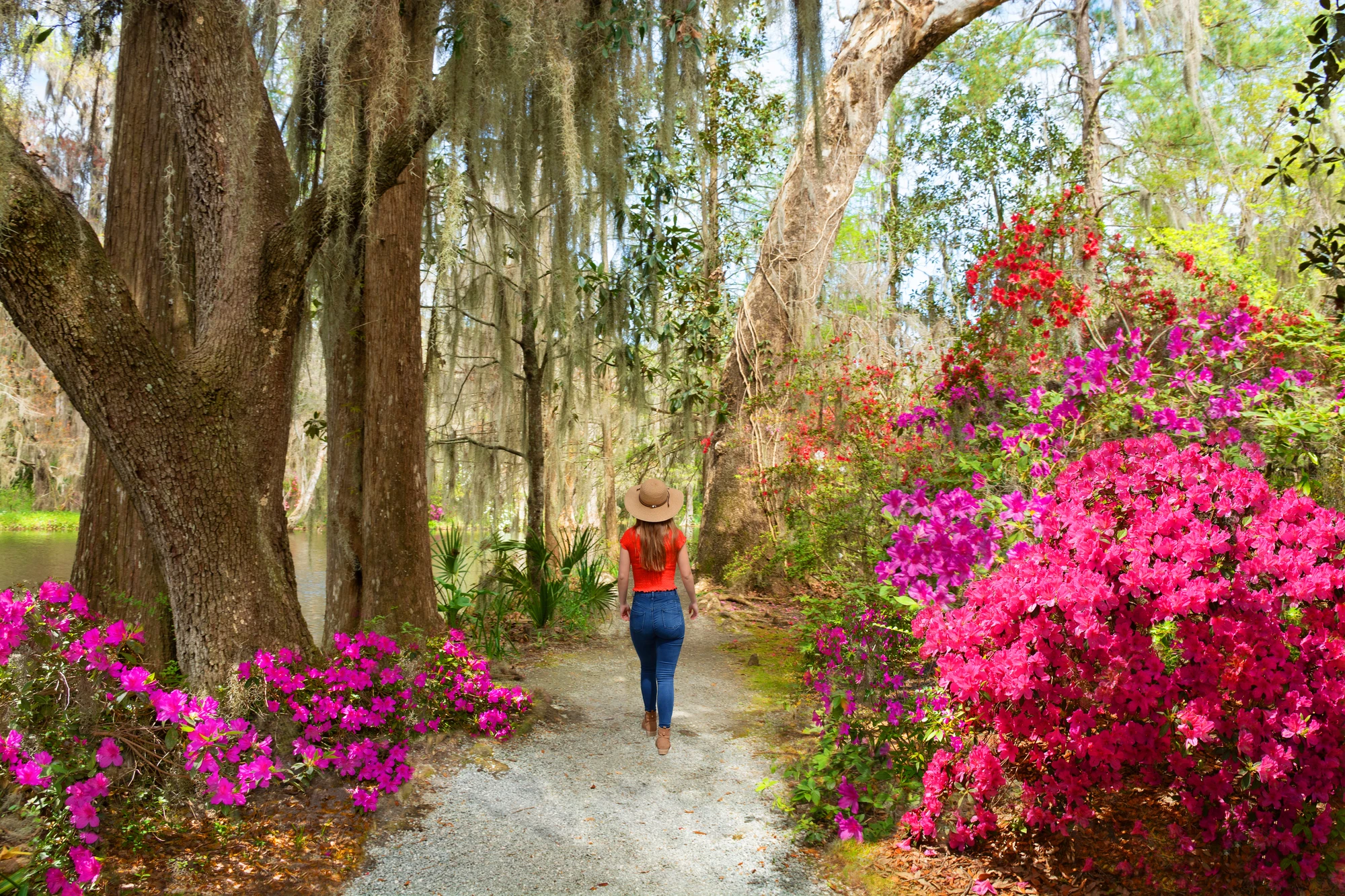
You step off the shaded lane and the Lowcountry breathes differently here. Spanish moss drapes the live oaks like a slow curtain; the air tastes faintly of brackish water and earth. A boardwalk hums with dragonflies, and somewhere ahead a river—quiet and wide—seems to be waiting to tell you its story. This is Magnolia Plantation and Gardens, a place where cultivated beauty and wild marsh meet, and where a single afternoon can feel like a compact education in Southern landscape, history, and wildlife.

Magnolia’s history is as layered as its gardens. The estate traces its roots to 1676, when the Drayton family first settled this bend of the Ashley River. Over centuries the property evolved—from a working rice plantation to one of America’s most visited public gardens—yet the land has retained a strong sense of place. Paths wind through formal beds and then loosen into the Audubon Swamp Garden, where cypress knees puncture the water and herons thread the air. Geology here is quiet but decisive: the swamp and tidal marsh are part of the jagged edge where the Atlantic intrudes on the mainland, their sediments and grasses shaping both habitat and human enterprise for generations.

What travelers often think of first are the azaleas—spring’s neon bloom that made Magnolia famous—or the Nature Train that treads gently through tree-canopied lanes. But the property resists a single label: it’s garden and refuge, museum and classroom. The House Tour offers a window into antebellum life and the complex narratives that accompany it; the Slavery to Freedom Tour foregrounds stories that are essential to understanding the plantation’s past; the Wildlife Boat Tour carries you onto the Ashley River, where herons and ospreys watch as your boat cuts the surface. For anyone who wants to slow down, six miles of trails are a deliberate invitation to put one foot in front of the other and watch the landscape change from manicured beds to swamp cathedral.

There’s a practical rhythm to visiting. If you arrive in spring, the azaleas color the understory and the place feels made of petals; summer brings dense green and the full chorus of frogs and insects; fall offers a quieter, gilded version of the gardens; winter strips the trees but leaves the vista lines clear and the light sharp. Guided options vary: round-trip transport from Charleston, compact guided days that include the Nature Train and the House Tour, or more focused visits that add a Slavery to Freedom Tour. Photography workshops, led by local professionals, tune your eye to local light and wildlife behavior—especially useful for chasing the paddle-still reflections in the Audubon Swamp.

Nature here has agency. The river dares you to slow down; the cypress in the swamp stand like patient sentinels, indifferent to human schedules. Watch a great blue heron stalk the shallows—its neck a taut wire—and you’ll understand why visitors keep returning: Magnolia lets you occupy both the role of spectator and respectful participant.

Practicalities that make the visit smooth are deceptively simple. Plan for at least three hours to experience the main draws: a Nature Train or Boat Tour (both run on schedules, so check times), a House Tour, and a walk through the swamp garden. Footwear should be supportive and water-resistant if you plan to linger by the marsh; insect repellent is essential in warmer months. The site provides guided experiences that range from 4.5-hour coach-and-plantation combos to small-group tours that bundle the Nature Train, House Tour, and the Slavery to Freedom Tour for a fuller context. If you’d rather wander with a little company, the multiple tour operators offer pickups from downtown Charleston—handy if you don’t have a car.

Magnolia is also an ethical landscape: the Slavery to Freedom Tour is a deliberate, frank program that brings underrepresented histories to the fore. That context matters; it changes the walk through the grounds from a passive aesthetic exercise into an act of listening. The Wildlife Boat Tour reminds you that the plantation sits within an active estuary; keep an eye out for marsh life and respect posted signs about wildlife distances—especially around alligators.

When to go? Spring is the canonical choice—azaleas and camellias peak and the gardens feel theatrical—but autumn’s light and fewer crowds make for quiet discovery. Early morning gives you the best chance at wildlife sightings and soft, directional light for photos. If you’re shooting birds or late-afternoon marsh reflections, consider joining a dedicated photography workshop led by a local pro; their knowledge of seasonal behavior and composition shortcuts is worth the ticket price.

Walk with curiosity and restraint. Let the place reveal itself in increments: a restored bed, a moss-draped oak, a quiet pool reflecting a sky full of gulls. Allow time for the tours that weave history into landscape; listen for the river and watch how the land does the slow work of being both archive and living ecosystem. Magnolia Plantation and Gardens is not only a garden to be observed but a patch of Lowcountry that rewards slow attention, careful questions, and a willingness to let both beauty and history shape your day.

Duration2–5 hours
Plan your visit

Trail Wisdom

Time your visit for the train or boat

Check Nature Train and Wildlife Boat Tour schedules before arrival to avoid long waits—combine one with the House Tour for a rounded day.

Wear water-resistant shoes

Trails range from paved garden paths to boardwalks and muddy swamp edges—sturdy, water-resistant footwear keeps you comfortable.

Bring insect protection

Mosquitoes and blackflies are common near the swamp—use repellent and consider a long-sleeve layer in warmer months.

Respect wildlife distances

Alligators and nesting birds are present—observe from a distance and follow park signage for safety and conservation.

Local Knowledge

Hidden Gems

  • Audubon Swamp Garden boardwalk views at sunrise
  • Smaller formal plantings near the Garden Center that reveal rare camellia cultivars

Wildlife

American alligator, great blue heron

Conservation Note

The plantation participates in habitat restoration and educational programming; visitors are encouraged to follow Leave No Trace principles and support site conservation efforts.

Magnolia was established in 1676 by the Drayton family and has evolved from rice plantation to one of America's oldest public gardens, with layers of history reflected in its tours.

Seasonal Guide

spring

Best for:Azalea blooms, Photography workshops, Mild weather walks
Challenges:Higher crowds, Variable rain showers

Spring brings the famous azaleas and camellias—peak color and ideal light—increased visitation means arrive early for prime viewing.

summer

Best for:Lush green foliage, Boat tours, Early-morning wildlife
Challenges:Heat and humidity, More insects

Summer is vibrant and alive; plan early starts, wear breathable clothing, and bring insect repellent for swampy areas.

fall

Best for:Quieter trails, Golden light photography, Migrant birds
Challenges:Less floral spectacle, Cooler water temperatures

Fall offers reduced crowds and clear light for photos—gardens are quieter but still rewarding for birding and walks.

winter

Best for:Crisp vistas, House Tour clarity, Long shadows for photos
Challenges:Some plants dormant, Cooler air

Winter strips the understory and sharpens vistas—good for contemplative walks and unobstructed views of the landscape.

Photographer's Notes

Bring a telephoto lens (200–400mm equivalent) for birds and marsh life, a wide-angle for formal garden vistas, and a polarizer to reduce glare on swamp water; shoot early morning for mist and late afternoon for warm light.

What to Bring

Comfortable walking shoes

Essential

Supportive, water-resistant shoes handle paved garden paths and swamp boardwalks.

Insect repellent

Essential

Keeps mosquitoes and biting flies at bay near the swamp and river.

○

Light rain jacket

Florida-style showers can arrive suddenly—pack a compact waterproof layer.

○

Telephoto lens or zoom camera

A 200–400mm equivalent helps capture birds and distant marsh wildlife without disturbing them.

Common Questions

How long should I plan for a visit?

Allocate at least 2–4 hours to cover a Nature Train or Boat Tour, a House Tour, and time in the Audubon Swamp Garden; full-day options are available if you include transportation from Charleston.

Are guided tours necessary?

Guided tours provide historical context and access to scheduled experiences like the Nature Train and Slavery to Freedom Tour, but self-guided exploration of the gardens and trails is also rewarding.

Can I see alligators?

Yes—American alligators inhabit the ponds and marsh edges; sightings are common but they usually keep their distance. Observe from posted viewing areas and do not feed wildlife.

Is Magnolia suitable for children?

Yes—children enjoy the train, boat tours, and Wildlife Center; choose shorter loops and bring snacks and water to keep them engaged.

Are pets allowed?

Pets are generally not allowed in the historic gardens and house—check current site policies before bringing animals.

What's the best time of day for photography?

Early morning or late afternoon offers soft, directional light and increased wildlife activity—join a photography workshop for targeted instruction.

What to Pack

Water bottle (stay hydrated in heat), insect repellent (protect against mosquitoes), sun hat/sunscreen (sun exposure on paths), comfortable shoes (support for mixed terrain)

Did You Know

Magnolia Plantation traces its origins to 1676 and is recognized as one of the oldest public ornamental gardens in the United States.

Quick Travel Tips

Book House and Slavery to Freedom Tours in advance; arrive early to avoid crowds; bring cash or card for the Garden Center cafe; use shaded parking if available to keep car cool.

Local Flavor

Lowcountry cuisine and history sit close by—grab shrimp and grits or she-crab soup in Charleston, and pair your visit with a guided talk that places the gardens in the region’s complex cultural history.

Logistics Snapshot

Location: Ashley River Road, near Charleston. Recommended visit length: 2–4 hours. Tours: Nature Train, Wildlife Boat, House Tour, Slavery to Freedom Tour. Pickups: multiple operators offer round-trip from downtown Charleston.

Sustainability Note

Support preservation by staying on marked trails, not feeding wildlife, and visiting with operators who emphasize historical accuracy and habitat protection.

Topics